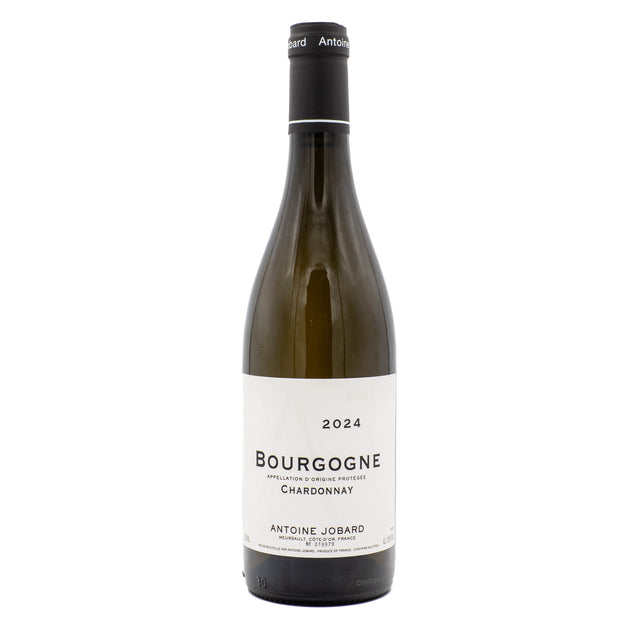
Antoine Jobard Bourgogne Chardonnay 2024
We have 2 in stock (Inventory is live and accurate)
Summer Shipping Advisory: Orders may be temporarily held during periods of extreme heat to ensure wine arrives in optimal condition.
View current shipping weather map →
The Land
This is labeled Bourgogne, the bottom rung of the Burgundy hierarchy, and the vines sit inside the commune of Meursault. The fruit comes from four lieux-dits, Les Herbeaux, En l'Ormeau, La Monatine, and Sous la Velle, in the middle and northern reaches of the commune, on the outside of the appellation boundary. Sous la Velle also feeds Jobard's village Meursault: part of it falls inside the line, part does not, and the vines do not know the difference. Just over a hectare in total, clay over limestone, planted between 1992 and 2015. That boundary is the whole value argument, and it is a real one.
The Wine
One hundred percent Chardonnay, hand-harvested and pressed gently in a pneumatic press with little to no debourbage. Both the alcoholic and the malolactic fermentation happen in barrel, only twenty percent of it new, which is restrained for Meursault and deliberately so. The lees are never stirred. Elevage runs twenty to twenty-three months in wood that is mostly four to five years old, and the wine is bottled unfined, in some vintages lightly filtered. Jobard's whites are habitually the last to reach the American market each year because the malolactics take their time. Expect lemon peel, hazelnut, crushed oyster shell, and a struck-match reduction that wants a decant or two years in the cellar. In 2024 the Cote de Beaune fought relentless spring rain, heavy downy mildew, uneven flowering, and scattered hail. Chardonnay losses ran ten to twenty percent, and the whites came in taut and high-acid rather than rich.
The People
The Jobards have been in Meursault since about 1860, and Antoine is the fifth generation. The estate was Domaine Pierre Jobard until 1971, when it was split between the heirs Charles and Francois. Francois built the reputation the name now carries: austere, reductive, mineral Meursault that punished anyone who opened it early and rewarded anyone who waited a decade. Antoine worked beside his father for years before the domaine took his name in 2006. The style has softened at the edges, with less severity in youth, without shortening the elevage or adding oak. Farming is lutte raisonnee, with regular plowing, Guyot Poussard pruning, and fermentations that start on their own with indigenous yeasts. Twelve and a half hectares in all. Kermit Lynch first bought from Francois in the 1970s and still imports the wines.
Food Pairing
Roast chicken with butter under the skin and a lemon in the cavity is the honest answer, and the acid handles the fat without effort. Sole meuniere does the same trick with more precision, brown butter meeting hazelnut. Scallops seared hard and finished with a little creme fraiche flatter the lees texture. If you want to watch the reduction resolve, a wedge of aged Comte and nothing else. Open it, then leave it alone for an hour. This is a bottle worth clearing an evening for rather than pouring on the way past.
We ship wine to most states with a $100 minimum order for shipping. We don't ship spirits nor beer.
Weather shipping advisory: Orders placed during times of extreme heat or extreme cold will be held for no charge until more favorable weather returns.
Burgundy, in eastern France, encompasses several subregions, but it is the Côte d'Or that is home to many of the world's most expensive and revered wines. The region, primarily a single east-facing slope, has mixed limestone soils that vary dramatically from village to village and even vineyard to vineyard. White wines, crafted from Chardonnay, range from rich and opulent to lean and intensely mineral, while Pinot Noir produces silky, perfumed red wines of exceptional finesse and complexity. Centuries of winemaking tradition have resulted in every plot being meticulously recognized and scrutinized, making the Côte d'Or a true capital of terroir.
Burgundy - Cote d'Or

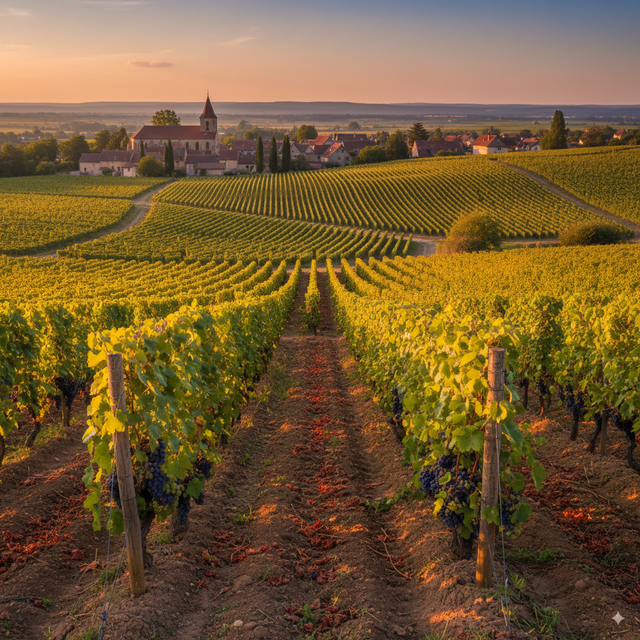
Chardonnay, one of the world's most versatile and beloved white grape varieties, showcases a remarkable spectrum of styles, from the lean, mineral-driven expressions of Chablis in France to the rich, buttery, and oak-aged versions from California's Napa Valley. Its adaptability extends to cooler climates such as Burgundy, where it achieves elegance and complexity, and to regions like Australia's Yarra Valley, known for producing vibrant and fruit-forward renditions. This grape's ability to reflect its terroir, coupled with winemaking techniques, results in a wide array of profiles, including unoaked, crisp varieties with apple and citrus notes, to full-bodied wines with tropical fruit flavors and creamy textures.
Chardonnay
Certified Organic farming is an agricultural practice where vineyards adhere to strict regulations prohibiting the use of synthetic pesticides, herbicides, fungicides, and fertilizers. Instead, certified organic growers rely on natural alternatives, including compost, cover crops, and beneficial insects, to nourish the soil and manage pests. Certification requires compliance with established organic standards, typically verified by third-party agencies such as USDA Organic in the United States or EU Organic in Europe. This method emphasizes ecological balance, biodiversity, and sustainability, aiming to produce high-quality grapes and wines while reducing environmental impact and promoting long-term vineyard health. Organic farming is not allowed to use Glyphosate.