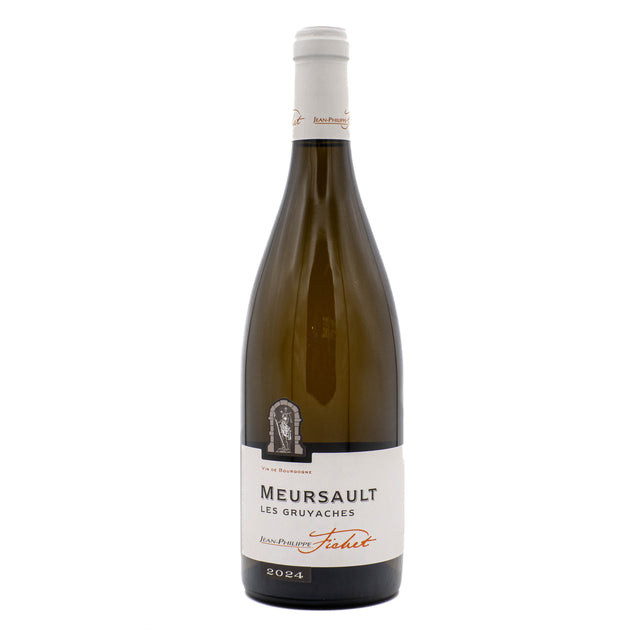
Jean Philippe Fichet Meursault Gruyaches 2024
We have 3 in stock (Inventory is live and accurate)
Summer Shipping Advisory: Orders may be temporarily held during periods of extreme heat to ensure wine arrives in optimal condition.
View current shipping weather map →
The Land
Gruyaches is a village vineyard boxed in on two sides by Meursault-Charmes, and it sits at the foot of that premier cru slope. Vineyards at the base of a Burgundian hill collect everything that washes down from above, which means deeper, richer, wetter ground and vines that grow too vigorously if nobody intervenes. Jean-Philippe Fichet installed drainage here in the late 1990s specifically to rein that vigor in. The vines were planted in 1928, making them the oldest at the domaine. Deep soil, old roots, and premier cru on two flanks account for why this is the fullest and richest of Fichet's Meursault lieux-dits, and the one that gains most from time in bottle.
The Wine
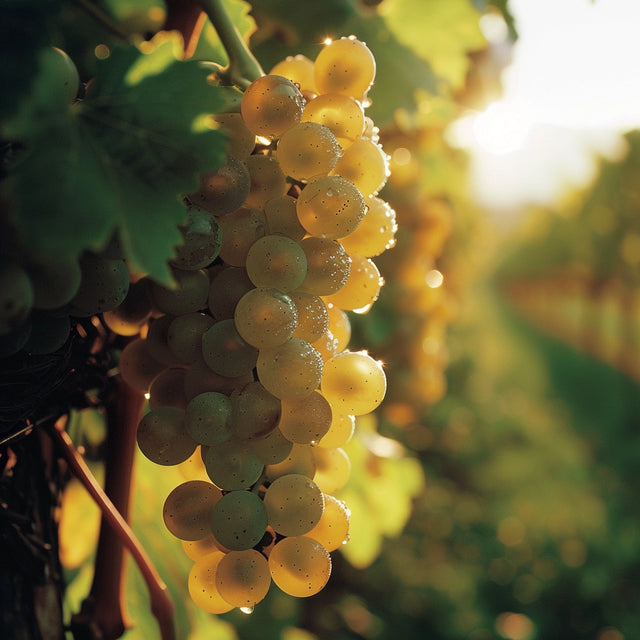
Chardonnay from a single small parcel, around 325 cases. Fermentation and malolactic both happen in barrel, and the wine rests eighteen months on its lees before bottling. Where Fichet's other lieux-dits are cut narrow, this one is built wide, and the low-lying site gives it mid-palate weight that his hillside wines never have. 2024 shaped it. Chardonnay flowered in a better window than Pinot Noir but bunch weights came in abnormally low, so there was far less juice than the wet season implied; Chardonnay yields across the Cote de Beaune landed around 40 to 45 hectoliters per hectare, roughly a quarter down. Picking on the Cote de Beaune ran September 12 to 17 in a narrow dry window, and most growers chaptalized by half a degree. Expect yellow plum, lemon curd, almond, and a saline, faintly bitter close.
The People
Fichet's reputation rests substantially on restraint. He completed a new cellar for the 2009 vintage that finally brought every stage of production under one roof, and he uses it to run one of the least interventionist elevages in Meursault: fermentation and malolactic in barrel, a six-year barrel rotation that keeps new oak scarce, batonnage held back rather than applied to a calendar, and eighteen unhurried months before bottling. A fire in May 2021 took out part of the cuverie and charred a run of barrels, though analysis confirmed the wine inside was unharmed. Meursault's unusually low water table drives roots deep into stone, and the entire method here exists to let that come through the glass undisturbed.
Food Pairing
Lobster roasted with butter and tarragon has the sweetness and richness to meet this wine's breadth, and the acidity keeps the whole thing from turning heavy. Veal scaloppine with mushrooms and cream is the classic answer, and it holds. Roast pork loin with apples and sage plays to the yellow-fruit register. For a cheese, a young Beaufort. This is the Fichet to open when you want white Burgundy that fills the glass instead of cutting through it.
We ship wine to most states with a $100 minimum order for shipping. We don't ship spirits nor beer.
Weather shipping advisory: Orders placed during times of extreme heat or extreme cold will be held for no charge until more favorable weather returns.
Burgundy, in eastern France, encompasses several subregions, but it is the Côte d'Or that is home to many of the world's most expensive and revered wines. The region, primarily a single east-facing slope, has mixed limestone soils that vary dramatically from village to village and even vineyard to vineyard. White wines, crafted from Chardonnay, range from rich and opulent to lean and intensely mineral, while Pinot Noir produces silky, perfumed red wines of exceptional finesse and complexity. Centuries of winemaking tradition have resulted in every plot being meticulously recognized and scrutinized, making the Côte d'Or a true capital of terroir.
Burgundy - Cote d'Or

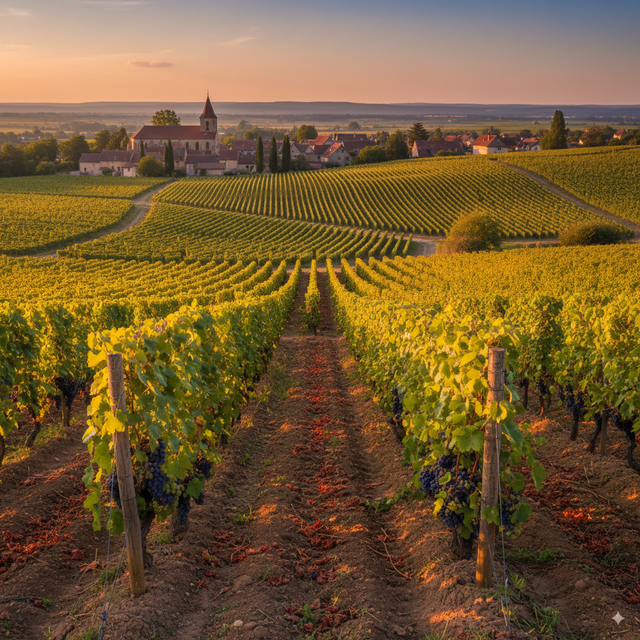
Chardonnay, one of the world's most versatile and beloved white grape varieties, showcases a remarkable spectrum of styles, from the lean, mineral-driven expressions of Chablis in France to the rich, buttery, and oak-aged versions from California's Napa Valley. Its adaptability extends to cooler climates such as Burgundy, where it achieves elegance and complexity, and to regions like Australia's Yarra Valley, known for producing vibrant and fruit-forward renditions. This grape's ability to reflect its terroir, coupled with winemaking techniques, results in a wide array of profiles, including unoaked, crisp varieties with apple and citrus notes, to full-bodied wines with tropical fruit flavors and creamy textures.