Maison Gautheron d'Anost Bourgogne Aligoté Le Bien Urbain 2024
We have 6 in stock (Inventory is live and accurate)
Summer Shipping Advisory: Orders may be temporarily held during periods of extreme heat to ensure wine arrives in optimal condition.
View current shipping weather map →
The Land
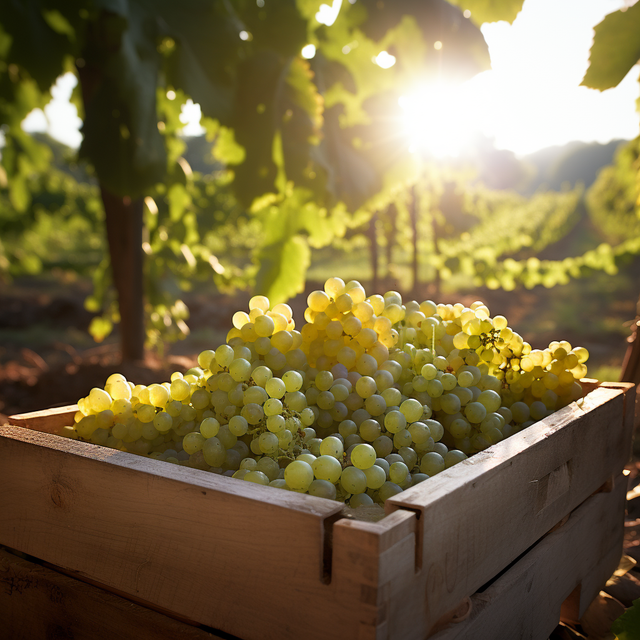
Le Bien Urbain is not a lieu-dit, which is worth saying plainly because the name reads like one. It is Bastien Gautheron's own coinage, a pun on his move into central Dijon. The fruit is Aligoté from a high-quality plot in Marsannay that he is in the process of acquiring, sold as regional Bourgogne Aligoté because that is what the appellation rules require. Marsannay is mid-Jurassic clay-limestone running 255 to 390 meters with east to southeast exposure, the northern doorway of the Côte de Nuits. Aligoté itself has spent a century dismissed as thin acid for kir, which ignores its parentage: Gouais Blanc crossed with Pinot, the same cross that produced Chardonnay. The rehabilitation has been running for fifteen years, and Les Aligoteurs, an association founded in 2018 and now some 70 growers strong, campaigns for lower yields and better sites.
The Wine
100% Aligoté, 12.5%. One third raised in barrel, two thirds in stainless steel, ambient yeast, short élevage, a small sulfur addition at the start of fermentation and nothing further until bottling. Apricot, nectarine and citrus peel, a creamy texture from the barrel portion, slightly reductive in the useful sense, and the variety's acid running hard down the middle. This is only the second release; the cuvée debuted with the 2023. 2024 was the most difficult Burgundy vintage in a generation: April frost, 38 days of rain across May and June, mildew that pushed spray passes past 17, and a crop more than a third smaller than 2023, though whites came through markedly better than reds. The upside of a cool, wet, low-alcohol year is that it flatters a grape whose entire argument is freshness.
The People
Bastien Gautheron founded Maison Gautheron d'Anost in 2020 with no family estate behind him, which in Burgundy is close to starting from nothing. Anost is a Morvan village west of the Côte d'Or where his mother's family comes from. He began oenology studies at 15, went through the Lycée Viticole de Beaune, and worked at Olivier Leflaive in Puligny-Montrachet until 2019. About 20% of his production comes from his own vines in Savigny-lès-Beaune and the Hautes Côtes de Beaune, certified organic since 2017; the balance is bought fruit from growers working organically or effectively so, not all of it certified. He is unusually clear about where he stands on natural wine: a little sulfur at the start of fermentation, nothing more until bottling, and no interest in the label. Roughly 12,000 bottles in 2024, made in a converted warehouse in Dijon's Arsenal district.
Food Pairing
Aligoté exists, more or less, for the Burgundian aperitif hour, and gougères are still the correct answer. Beyond that: oysters, a plate of cold shrimp with mayonnaise and lemon, veal in cream sauce, or a mushroom risotto where the acid keeps the dish from going heavy. Fresh goat cheese with olive oil and cracked pepper is the no-effort version. Serve at 10 degrees. Aligoté is the most useful white in Burgundy and still the cheapest, and that second part will not hold much longer.
We ship wine to most states with a $100 minimum order for shipping. We don't ship spirits nor beer.
Weather shipping advisory: Orders placed during times of extreme heat or extreme cold will be held for no charge until more favorable weather returns.
Burgundy, in eastern France, encompasses several subregions, but it is the Côte d'Or that is home to many of the world's most expensive and revered wines. The region, primarily a single east-facing slope, has mixed limestone soils that vary dramatically from village to village and even vineyard to vineyard. White wines, crafted from Chardonnay, range from rich and opulent to lean and intensely mineral, while Pinot Noir produces silky, perfumed red wines of exceptional finesse and complexity. Centuries of winemaking tradition have resulted in every plot being meticulously recognized and scrutinized, making the Côte d'Or a true capital of terroir.
Burgundy - Cote d'Or

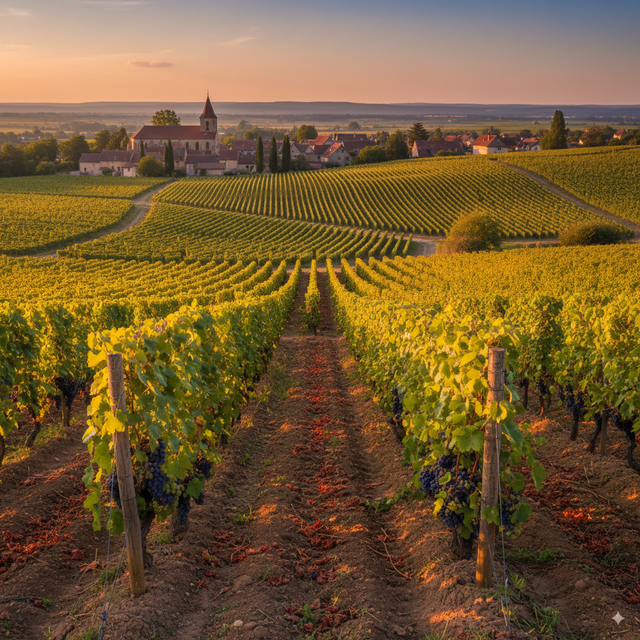
Aligoté is a historic white grape of Burgundy, long overshadowed by Chardonnay but increasingly valued for its freshness and versatility. First documented in the region in the 18th century, it was traditionally used in everyday wines or blended with crème de cassis for Kir. Today, quality-minded producers—especially in Bouzeron, the only communal AOC dedicated to the grape—are showing its potential when grown on limestone soils and handled with care. Aligoté typically offers high acidity, light body, and flavors of green apple, citrus, and subtle herbal notes, making it a crisp, food-friendly alternative to richer white varieties.