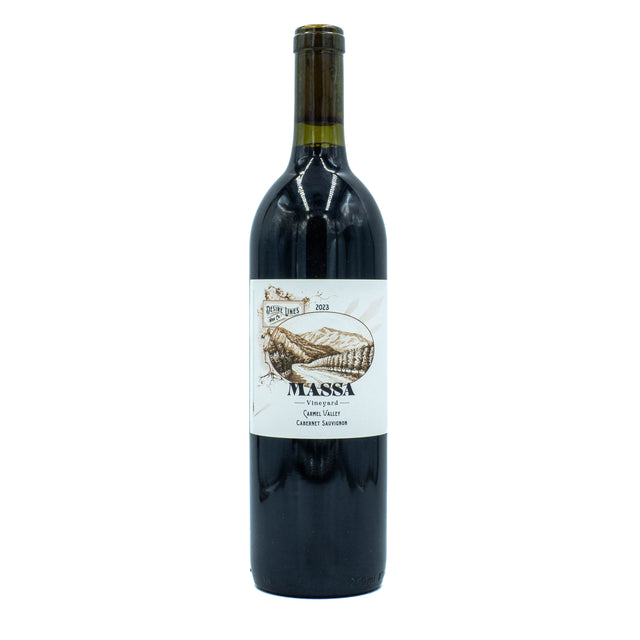
Desire Lines Massa Vineyard Cabernet Sauvignon 2023
We have 15 in stock (Inventory is live and accurate)
The Land
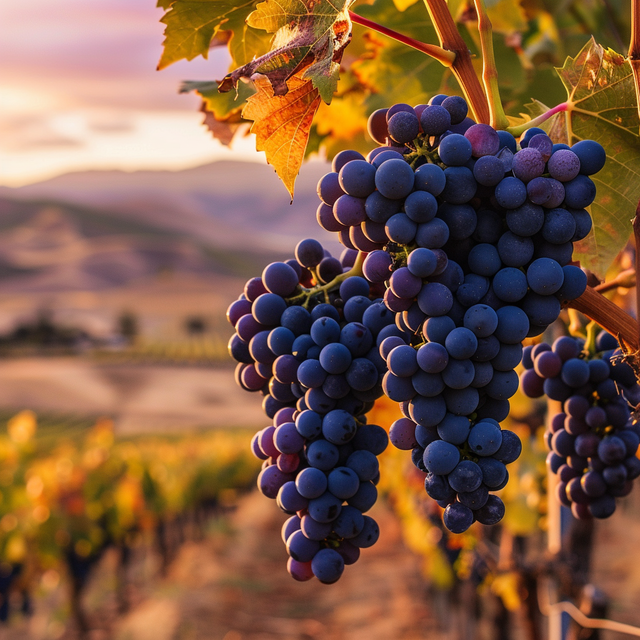
Massa Vineyard is a remote, high-elevation site on the northern edge of the Ventana Wilderness in Carmel Valley. First planted in 1967 and home to own-rooted Cabernet Sauvignon since 1971, the vineyard sits on the Cachagua Fault in rare granodiorite and metasedimentary soils—granitic rock displaced from the southern Sierra Nevada by tectonic movement. Cooled by marine air and sustained by underground springs, the vines are dry-farmed and have been organically cultivated for nearly thirty years. The 2023 vintage may mark the vineyard’s final year of production, making this wine a closing chapter from one of the Central Coast’s most distinctive sites.
The Wine
The 2023 Cabernet Sauvignon from Block 13 is lifted and composed, with black and red berry fruit, pine, green coffee bean, and a subtle citrus note that’s become a marker of this site. The palate is pure and finely textured, with supple tannins, bright acidity, and delicate fully ripe fruit flavors from the own-rooted vines. A mineral thread from the granitic soils gives the wine definition and length. It’s a focused expression—structured and balanced. This is not a bombastic expression of California Cabernet Sauvignon but rather an expression of mountain fruit that has a lifted style that keeps you coming back for more.
The People
Cody and Emily Rasmussen of Desire Lines Wine Co. work with vineyards that carry both history and identity, and Massa has been one of their most meaningful sites. With its old vines, geologic rarity, and deep Carmel Valley roots, it offered a chance to capture something singular. Cody’s restrained winemaking lets the site speak clearly. If 2023 is indeed the final vintage, this wine stands as a precise, honest record of a vineyard with more story behind it than most, and fewer vintages ahead.
Food Pairing:
Boeuf Bourguignon (Julia Child’s classic recipe).
This slow-cooked French dish brings depth, umami, and layered aromatics that pair beautifully with the wine’s balance and clarity. The Cabernet’s red fruit and mineral backbone cut through the richness of the beef and bacon, while its herbal and citrus notes echo the dish’s thyme, bay, and wine-braised aromatics. A winter-perfect match.
.
We ship wine to most states with a $100 minimum order for shipping. We don't ship spirits nor beer.
Weather shipping advisory: Orders placed during times of extreme heat or extreme cold will be held for no charge until more favorable weather returns.
This region includes wines labeled "North Coast", which are often blends including Sonoma and Napa counties. This expansive area encompasses established regions like Mendocino and Lake Counties, as well as newer vineyard sites pushing towards the Oregon border. Mendocino County is known for its varied climates, from the Anderson Valley's cool, fog-influenced areas ideal for Pinot Noir and sparkling wine, to warmer inland spots. Lake County, further inland, offers volcanic soils and a warmer climate suitable for Cabernet Sauvignon and other varieties. Beyond these, even more northerly locations are being explored for their unique terroir, contributing to the evolving identity of California's northern wine production.
California - North Coast & Far North

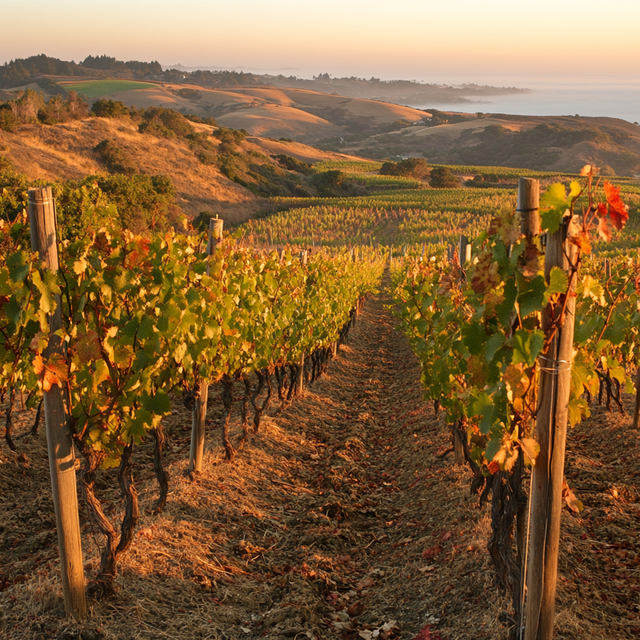
Cabernet Sauvignon, originally hailing from Bordeaux, France, has triumphantly spread to become a cornerstone of vineyards worldwide, achieving particular renown in Napa Valley. This versatile grape variety adapts to a broad spectrum of climates, producing full-bodied wines that are rich in black cherry and blackcurrant flavors, with layered complexities of oak and spice. The grape's success in regions like Napa Valley is a testament to its global adaptability, where it benefits from the optimal blend of warm days and cool nights, coupled with diverse soil types, to express a unique balance of power and elegance that pays homage to its Bordeaux origins.
Cabernet Sauvignon
Practicing Organic vineyard farming involves growing grapes using organic methods—avoiding synthetic fertilizers, herbicides, pesticides, and fungicides—but without formal certification. Wineries adopting this approach prioritize environmental health, soil vitality, and biodiversity, using natural practices such as composting, cover cropping, and manual pest control. Many small wineries opt for practicing organic methods rather than pursuing official organic certification, primarily due to the significant cost, paperwork, and time commitment involved in certification processes. As a result, practicing organic is a popular choice among boutique and artisanal producers who remain committed to sustainable agriculture while managing budgetary constraints.