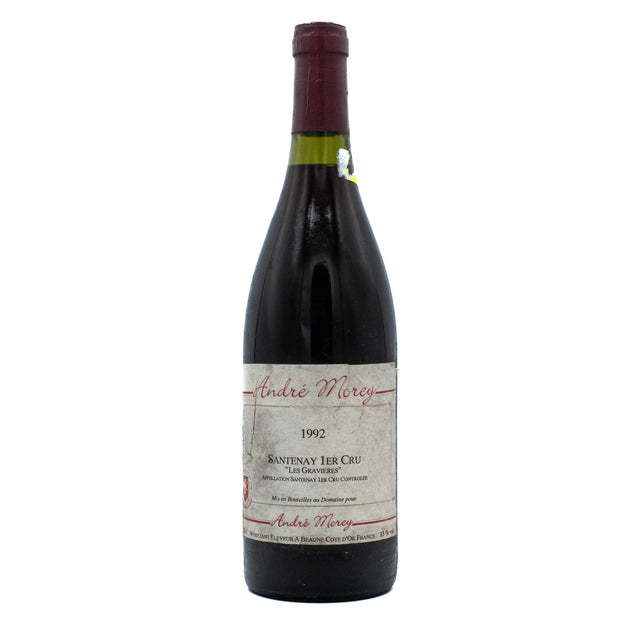
André Morey Santenay 1er Cru Gravieres 1992
We have 2 in stock (Inventory is live and accurate)
Summer Shipping Advisory: Orders may be temporarily held during periods of extreme heat to ensure wine arrives in optimal condition.
View current shipping weather map →
The Land
Les Gravieres takes its name from the ground itself. The toponym runs back through the Latin grava to gravier, gravel, and the vineyard earns it: Bathonian limestone and clay marl scattered through with pebbles, light and well drained, though deeper than the Cote d'Or norm. The upper section shifts to white marls with more clay than is usual anywhere on this hillside, which is the unusual part of the site. At 23.8 hectares on the lower slope, it is the largest and most respected premier cru in Santenay, and the drainage is what does the work here. Pebbly, quick-draining ground pushes Pinot Noir toward red cherry and iron rather than weight, giving supple structure instead of bulk, which is precisely what makes a wine of this age still worth opening.
The Wine
Pinot Noir at 34 years. 1992 was a ripe, soft, early-maturing red Burgundy vintage: a mild winter and spring, warm early summer, heavy June rain, a dry July, more rain in late August, then clear weather that let the Cote de Beaune start picking on September 12. The wines came in supple and charming with little tannic backbone and modest acidity, and the Cote de Beaune outperformed the Cote de Nuits. Nobody built them to last three decades, which paradoxically works in this bottle's favor. A 1992 today is fully resolved rather than half-collapsed. Expect a translucent garnet with a brick rim, and dried cherry, forest floor, mushroom, tea leaf, and orange peel where primary fruit used to be. Tannin has gone to silk. Two days standing up lets the sediment drop. Pull the cork slowly, then decant off that sediment without splashing the wine around, fifteen minutes ahead and no more, and pour it at about 60 degrees. Provenance and storage decide everything at this age, and bottle variation is part of the deal.
The People
Here we tell you what we could not confirm. The Morey name is one of the oldest in this stretch of the Cote de Beaune, in Chassagne since the mid-16th century, and Albert Morey was among the first in the village to bottle at the domaine, starting in 1950. That line runs to Jean-Marc Morey, who founded his own estate in 1981, and on to Caroline Morey, who took her share of the family vineyards in 2014. Whether Andre Morey belongs to that family, and whether this was a grower bottling or a negociant label, we could not verify in any source we trust. We would rather say so than invent a house history for a bottle this old.
Food Pairing
Match the delicacy, not the age. Mushroom risotto finished with thyme and a little butter meets the forest-floor character head on. Roast duck breast, simply cooked and sliced, has enough fat for the wine's silk without the heaviness of a braise. Green lentils with roasted carrots and parsley pick up the iron and earth. A wedge of aged Gruyere works better than anything pungent. Open it on a weeknight rather than saving it for an occasion. Wines this old do not reward waiting any longer.
We ship wine to most states with a $100 minimum order for shipping. We don't ship spirits nor beer.
Weather shipping advisory: Orders placed during times of extreme heat or extreme cold will be held for no charge until more favorable weather returns.
Champagne is the northernmost major wine region in France, defined by its cool climate, chalky soils, and centuries-old tradition of sparkling wine production. Centered around the towns of Reims and Épernay, the region is divided into key subzones like the Montagne de Reims, Vallée de la Marne, and Côte des Blancs, each favoring different grapes—Pinot Noir, Meunier, and Chardonnay respectively. The region’s signature chalk and limestone soils provide excellent drainage and impart a distinctive mineral character to the wines. While méthode champenoise was refined here in the 17th century, Champagne’s global prestige grew through the 19th and 20th centuries, cementing its role as the benchmark for sparkling wine worldwide.
Champagne

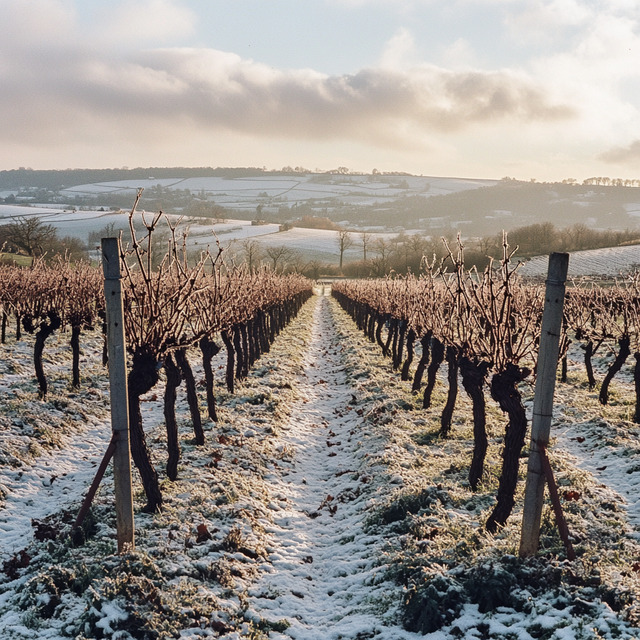
Pinot Noir is a thin-skinned, notoriously difficult-to-grow, low-yielding grape that finds its ancestral home in Burgundy, France, where it produces some of the world's most elegant and nuanced wines. While Burgundy remains its spiritual heartland, Pinot Noir has since traveled the globe, finding success in other cooler climates, notably in California, Oregon, New Zealand, and Germany. This grape is a challenge for any grower, as it requires specific conditions to show its best, and yet the wines it produces are capable of such a captivating and singular character.