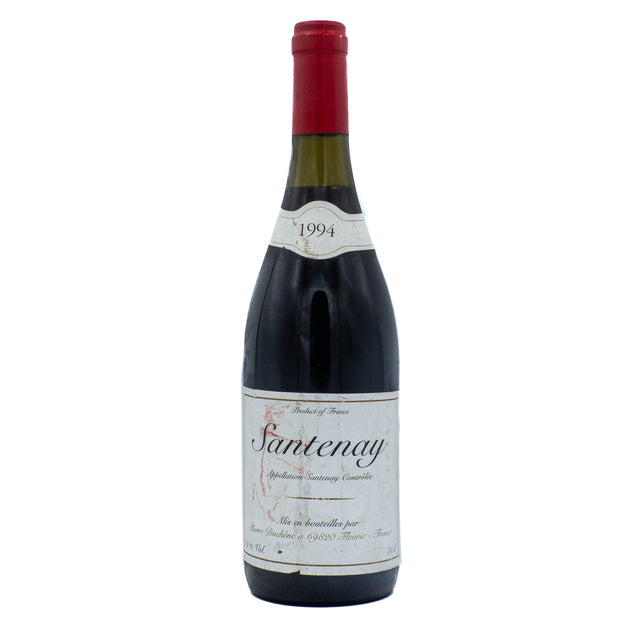
Pierre Duchene Santenay 1994
We have 2 in stock (Inventory is live and accurate)
Summer Shipping Advisory: Orders may be temporarily held during periods of extreme heat to ensure wine arrives in optimal condition.
View current shipping weather map →
The Land
Santenay is where the Cote de Beaune runs out. It sits at the southern end of the Cote d'Or, at the junction with the Cote Chalonnaise, and it has a second life that has nothing to do with wine: the village is a spa town. Salt-rich thermal water from the Fontaine Salee was drawing bathers here in Gallo-Roman times, and in the late 19th century Sadi Carnot granted Santenay official thermal resort status, which came with the right to operate a casino. The village ran three of them at its peak and still runs one. That is a strange thing to find in a farming commune of 800 people. The vineyards climb limestone-clay slopes streaked with iron, which is what gives the red wines their rust-and-blood-orange edge.
The Wine
Village-level Pinot Noir at 32 years, and we will not talk around the vintage. 1994 was hard. A frosty winter gave way to a hot, dry summer, then heavy rain set in from September 10 and did not stop through the harvest. Growers picked ripe but sodden fruit, rot and dilution both took a share, and the crop came in small. The wines generally lacked concentration and structure, and the successes in the Cote de Beaune came from growers who picked early. This is a lottery ticket, priced and sold as one. A well-stored bottle at this age should show pale brick red going translucent at the rim, dried cherry, tea leaf, damp earth, mushroom, and dried rose, with almost no tannin left and a light frame. Stand it upright a full two days, pull the cork slowly, pour carefully off the sediment rather than decanting hard, and serve cool at about 60 degrees. Drink it in the first thirty minutes. Bottle variation on a village wine from a rain-damaged vintage is not a risk, it is a certainty, and provenance decides which side you land on.
The People
We could not verify Pierre Duchene. There is no producer website, no importer page, and no reliable estate record we are willing to cite for this label. What we can say honestly is contextual: village Santenay in the early 1990s came overwhelmingly from small family growers working a few hectares, many of whom sold most of their fruit to negociants and bottled a small quantity under their own name. This bottle is almost certainly one of those. Rather than build a founding date and a farming philosophy out of nothing, we will leave the record where we found it.
Food Pairing
Keep the plate light or the wine disappears under it. Roast pork loin with sage and a little of its own juice has the right weight without the fat of a braise. A mushroom tart with thyme and creme fraiche mirrors the earth and dried-forest character directly. Reblochon, mild and washed rind, meets the wine's softness rather than fighting it. A simple potato gratin, more potato than cream, is honest company. Open this with someone who finds old bottles interesting for their own sake, and pour it the night you get it home.
We ship wine to most states with a $100 minimum order for shipping. We don't ship spirits nor beer.
Weather shipping advisory: Orders placed during times of extreme heat or extreme cold will be held for no charge until more favorable weather returns.
Champagne is the northernmost major wine region in France, defined by its cool climate, chalky soils, and centuries-old tradition of sparkling wine production. Centered around the towns of Reims and Épernay, the region is divided into key subzones like the Montagne de Reims, Vallée de la Marne, and Côte des Blancs, each favoring different grapes—Pinot Noir, Meunier, and Chardonnay respectively. The region’s signature chalk and limestone soils provide excellent drainage and impart a distinctive mineral character to the wines. While méthode champenoise was refined here in the 17th century, Champagne’s global prestige grew through the 19th and 20th centuries, cementing its role as the benchmark for sparkling wine worldwide.
Champagne

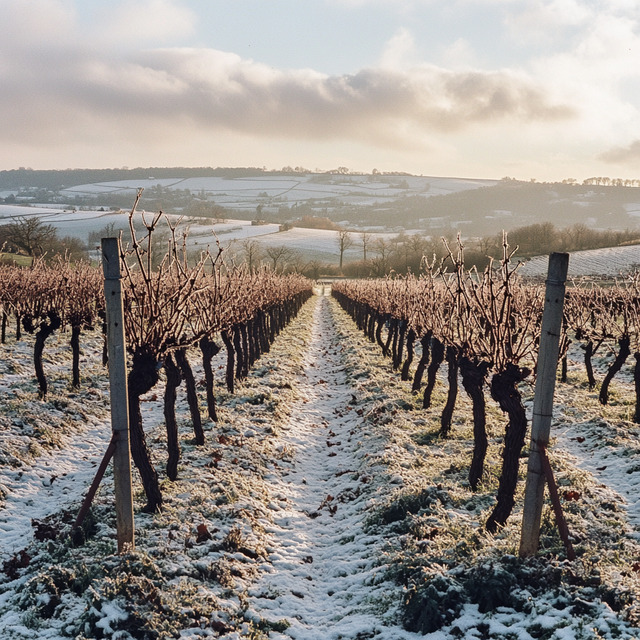
Pinot Noir is a thin-skinned, notoriously difficult-to-grow, low-yielding grape that finds its ancestral home in Burgundy, France, where it produces some of the world's most elegant and nuanced wines. While Burgundy remains its spiritual heartland, Pinot Noir has since traveled the globe, finding success in other cooler climates, notably in California, Oregon, New Zealand, and Germany. This grape is a challenge for any grower, as it requires specific conditions to show its best, and yet the wines it produces are capable of such a captivating and singular character.