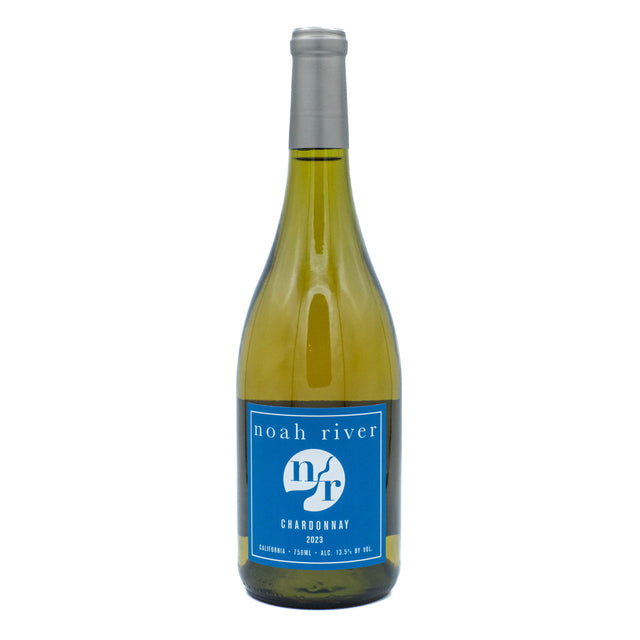
Noah River Chardonnay 2023
We have 4 in stock (Inventory is live and accurate)
We ship wine to most states with a $100 minimum order for shipping. We don't ship spirits nor beer.
Weather shipping advisory: Orders placed during times of extreme heat or extreme cold will be held for no charge until more favorable weather returns.
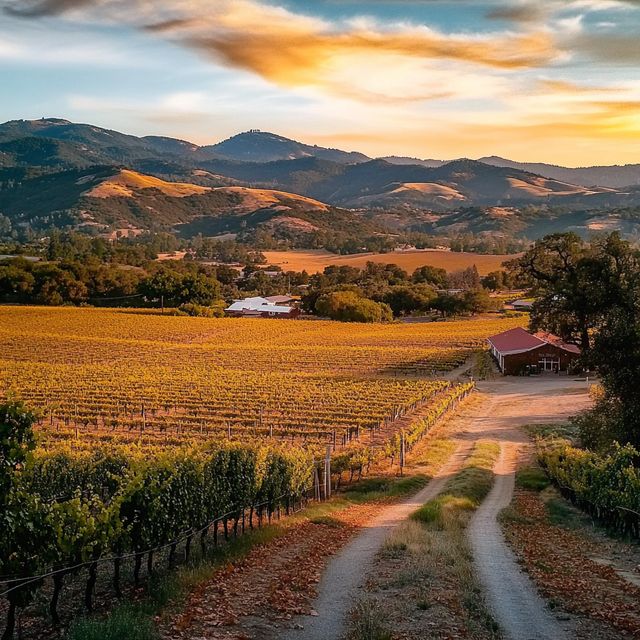
Napa Valley, a narrow strip of land in Northern California, is one of the world's most renowned wine regions. Its history dates back to the mid-19th century, but its rise to international prominence began in the latter half of the 20th century, particularly after the famous 1976 "Judgment of Paris" tasting, where Napa wines triumphed over French counterparts. Geographically, the valley is roughly 30 miles long and a few miles wide, running north-south, bordered by the Mayacamas Mountains to the west and the Vaca Range to the east. The climate varies significantly from south to north: the southern end, near San Pablo Bay and including the Carneros region, is cooler, influenced by fog and breezes, while the northern end, near Calistoga, experiences much warmer temperatures. This gradient, along with the distinction between the fertile valley floor and the rugged mountain vineyards, contributes to a diversity of growing conditions, allowing for a wide range of grape varieties, though Cabernet Sauvignon reigns supreme.
California - Napa Valley

Chardonnay, one of the world's most versatile and beloved white grape varieties, showcases a remarkable spectrum of styles, from the lean, mineral-driven expressions of Chablis in France to the rich, buttery, and oak-aged versions from California's Napa Valley. Its adaptability extends to cooler climates such as Burgundy, where it achieves elegance and complexity, and to regions like Australia's Yarra Valley, known for producing vibrant and fruit-forward renditions. This grape's ability to reflect its terroir, coupled with winemaking techniques, results in a wide array of profiles, including unoaked, crisp varieties with apple and citrus notes, to full-bodied wines with tropical fruit flavors and creamy textures.