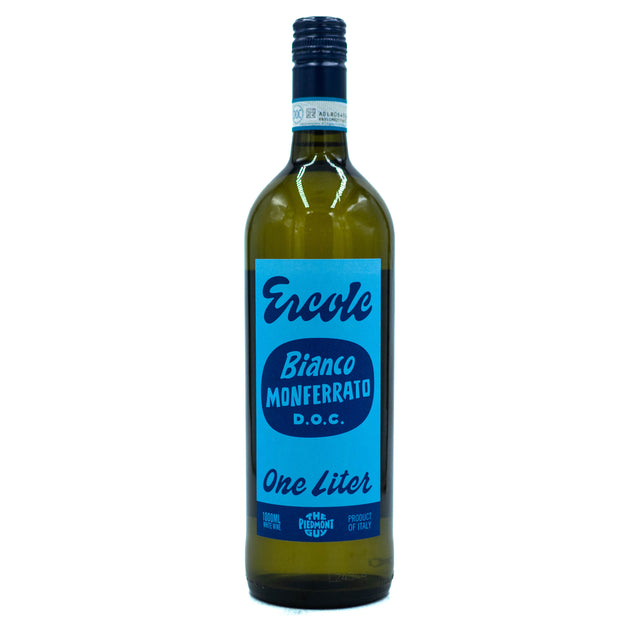
Ercole Monferrato Bianco 2024 1L
We have 0 in stock (Inventory is live and accurate)
The Land
Piedmont—Italy’s northwestern crown jewel—is framed by the Alps to the north and west and cradled by the Apennines to the south, creating a protective amphitheater for viticulture. This is a land of fog and sun, where altitude, diurnal shifts, and varied soils converge to produce wines of clarity, character, and structure. While the region is globally revered for its noble reds like Barolo and Barbaresco, it’s also home to some of Italy’s most nuanced and expressive whites, including those from Cortese, Arneis, and Favorita.
Monferrato, located southeast of Turin and flanking the provinces of Alessandria and Asti, is one of Piedmont’s most historic and diverse growing zones. The area’s sandy, well-drained soils and temperate continental climate yield wines that strike a compelling balance between aromatic lift and mineral precision. It’s here, in this cradle of native varietals and small-scale farming, that Ercole Monferrato Bianco finds its roots.
The Wine
The 2024 vintage is a fresh, bright, balanced wine, composed of 90% Cortese—a grape long celebrated for its citrus-driven elegance and saline edge. The addition of 8% Chardonnay adds a rounder mid-palate, while 2% Sauvignon Blanc brings a subtle citrus & herbal lift. Vinified entirely in stainless steel and untouched by oak, the wine preserves the clarity of its fruit and the vibrancy of its acidity. Expect notes of lemon peel, white peach, almond blossom, and a hint of minerality like wet stone. With its liter-sized generosity and approachable profile, it’s a white wine that invites both casual sipping by novices and nerds alike.
The People
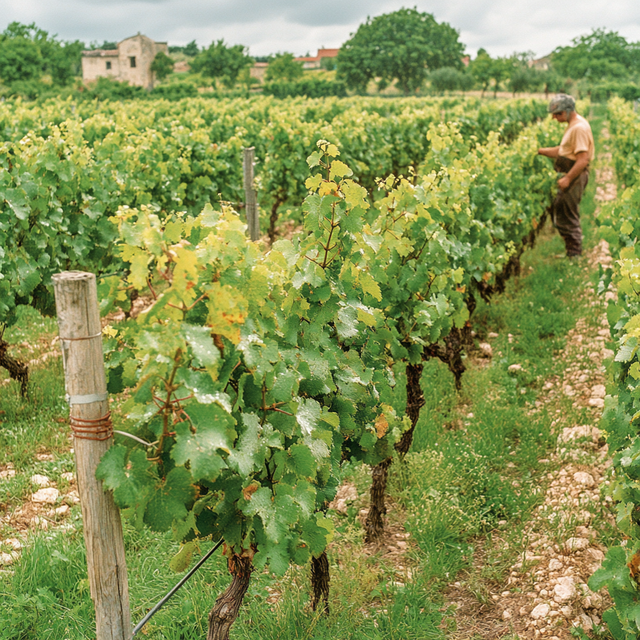
Behind Ercole is a cooperative of small growers, many of whom farm old vines between 30 and 50 years of age. They work the land with care, following sustainable practices rooted in lotta integrata (reasoned struggle), with minimal copper and sulfur use and no synthetic treatments. Their fruit is not commodified but honored—transformed with minimal intervention and bottled with full traceability and vegan certification.
Ercole—named after Hercules—is a tribute to these unsung viticultural heroes. Spearheaded by The Piedmont Guy, whose singular focus on Piedmont has connected global drinkers with the region’s deep well of tradition and talent, this wine represents more than value—it represents authenticity. In every liter, you get not only a vibrant white wine, but also an honest representation of the land, legacy, and labor that brought it into being.
We ship wine to most states with a $100 minimum order for shipping. We don't ship spirits nor beer.
Weather shipping advisory: Orders placed during times of extreme heat or extreme cold will be held for no charge until more favorable weather returns.
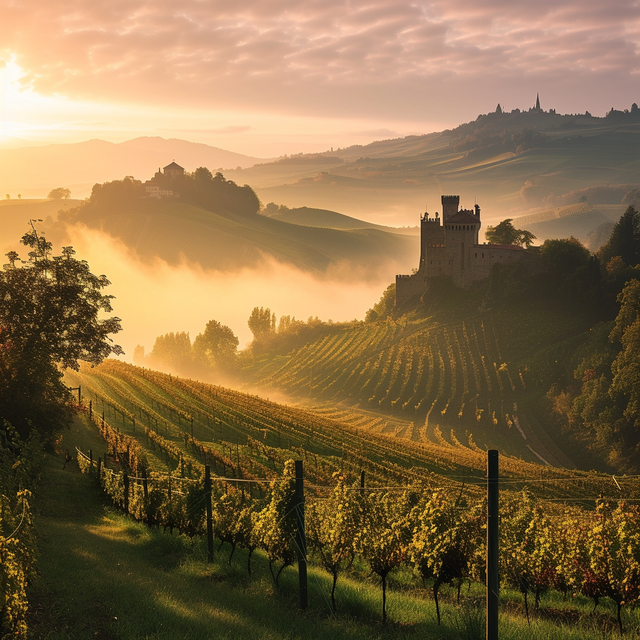
Piedmont, framed by the Alps in northwestern Italy, is a land of rolling hills and carefully cultivated vineyards. The continental climate, with its cold winters and warm summers, creates prime conditions for the Nebbiolo grape, which dominates much of the region's red wine production. The Langhe area is home to Barolo and Barbaresco, structured red wines known for their complex aromas, firm tannins, and aging potential. While Nebbiolo is the dominant grape of Piedmont, the region also makes interesting white wines like those from Arneis and Timorasso. Alto Piemonte is a separate region in the north with its own distinctive expressions of Nebbiolo, alongside other red grape varietals.
Italy - Piedmont

Practicing Organic vineyard farming involves growing grapes using organic methods—avoiding synthetic fertilizers, herbicides, pesticides, and fungicides—but without formal certification. Wineries adopting this approach prioritize environmental health, soil vitality, and biodiversity, using natural practices such as composting, cover cropping, and manual pest control. Many small wineries opt for practicing organic methods rather than pursuing official organic certification, primarily due to the significant cost, paperwork, and time commitment involved in certification processes. As a result, practicing organic is a popular choice among boutique and artisanal producers who remain committed to sustainable agriculture while managing budgetary constraints.