

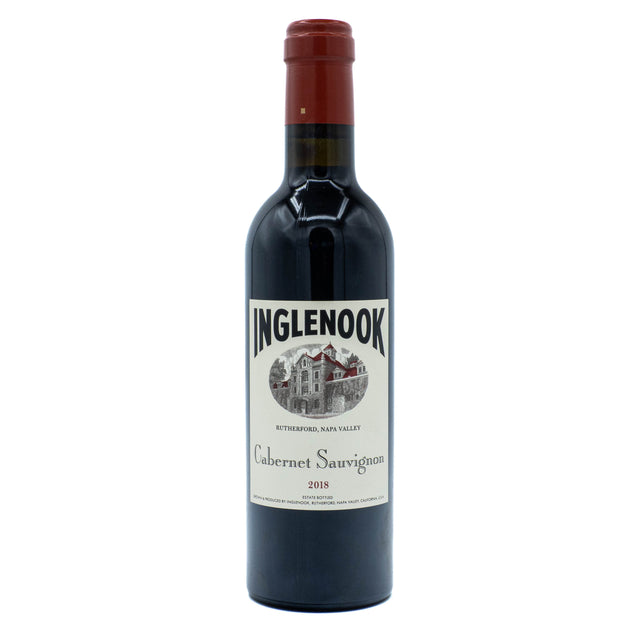
Inglenook Cabernet Sauvignon 2018 375ml
We have 3 in stock (Inventory is live and accurate)
Summer Shipping Advisory: Orders may be temporarily held during periods of extreme heat to ensure wine arrives in optimal condition.
View current shipping weather map →
The Land
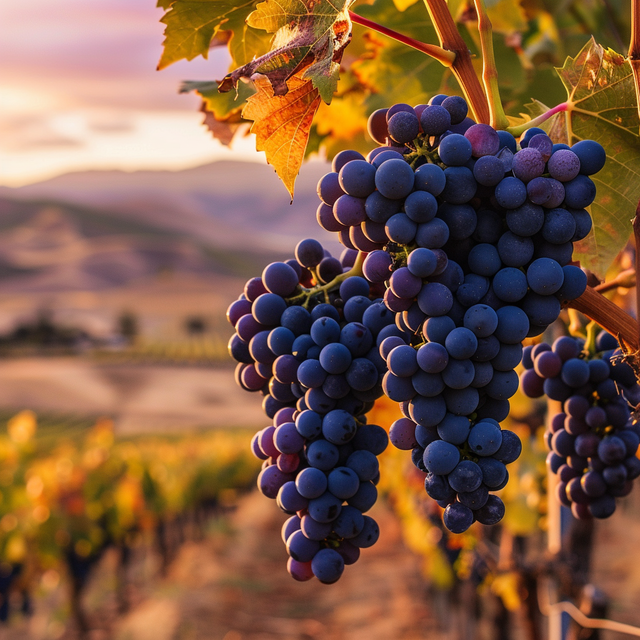
Inglenook sits on the Rutherford Bench, the gravelly alluvial fan below the Mayacamas Mountains long considered some of the most sought-after Cabernet ground in Napa Valley. This bottling draws from estate blocks scattered across the property, Chateau, Cohn, Creek, Gate, Gio, La Lomita, Lower Cask, Red Barn, and Walnut, each ripening on its own schedule and contributing a different piece of structure or fruit. All of it is organically farmed and grown exclusively on Inglenook's own land, a rarity for an estate producing at this scale.
The Wine
95% Cabernet Sauvignon, 3.5% Cabernet Franc, 1% Merlot, and 0.5% Petit Verdot, aged 18 months in French oak, 43% new, then bottled in June 2020 at 14.5% alcohol. The 2018 growing season delivered well-timed spring rain and moderate temperatures, producing a sizable crop of real quality; the earliest Merlot came in on September 13, the last Chateau-block Cabernet not until the first week of October. The wine is opaque ruby red, with ripe cassis, blackberry, espresso, and cedar on the nose, silky tannins, real freshness, and a long, polished finish that builds rather than fades.
The People
Gustave Niebaum, a Finnish sea captain, founded Inglenook in 1879 and spent years assembling a 1,100-acre estate on the Rutherford Bench, building the property's landmark chateau between 1881 and 1887. He brought Cabernet cuttings from Bordeaux that his grand-nephew, John Daniel Jr., later used to make the legendary 1941 Inglenook Cabernet Sauvignon, the wine this bottling is a direct tribute to. Francis Ford Coppola and his wife Eleanor began buying back pieces of the fractured estate in 1975, reunited the full property in 1995, and finally reclaimed the Inglenook name and trademark in 2011, closing a four-decade project to restore the winery to its original footprint.
Food Pairing
This is a wine for real red meat: a dry-aged ribeye, braised short ribs, or a rack of lamb with rosemary and garlic all match its structure without getting overwhelmed. Aged gouda or a hard, nutty cheese course works too, if you would rather keep dinner simple. Poured from a 375ml bottle, it is built for two people who want a serious Napa Cabernet without committing to a full bottle.
We ship wine to most states with a $100 minimum order for shipping. We don't ship spirits nor beer.
Weather shipping advisory: Orders placed during times of extreme heat or extreme cold will be held for no charge until more favorable weather returns.
Napa Valley, a narrow strip of land in Northern California, is one of the world's most renowned wine regions. Its history dates back to the mid-19th century, but its rise to international prominence began in the latter half of the 20th century, particularly after the famous 1976 "Judgment of Paris" tasting, where Napa wines triumphed over French counterparts. Geographically, the valley is roughly 30 miles long and a few miles wide, running north-south, bordered by the Mayacamas Mountains to the west and the Vaca Range to the east. The climate varies significantly from south to north: the southern end, near San Pablo Bay and including the Carneros region, is cooler, influenced by fog and breezes, while the northern end, near Calistoga, experiences much warmer temperatures. This gradient, along with the distinction between the fertile valley floor and the rugged mountain vineyards, contributes to a diversity of growing conditions, allowing for a wide range of grape varieties, though Cabernet Sauvignon reigns supreme.
California - Napa Valley

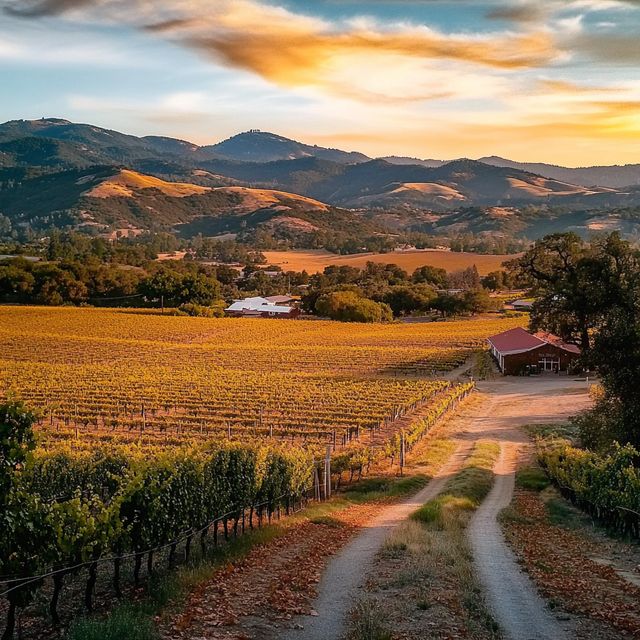
Cabernet Sauvignon, originally hailing from Bordeaux, France, has triumphantly spread to become a cornerstone of vineyards worldwide, achieving particular renown in Napa Valley. This versatile grape variety adapts to a broad spectrum of climates, producing full-bodied wines that are rich in black cherry and blackcurrant flavors, with layered complexities of oak and spice. The grape's success in regions like Napa Valley is a testament to its global adaptability, where it benefits from the optimal blend of warm days and cool nights, coupled with diverse soil types, to express a unique balance of power and elegance that pays homage to its Bordeaux origins.
Cabernet Sauvignon
"Unknown" farming method indicates that the specific vineyard practices used to produce the wine have not yet been clearly identified or verified. Due to limited publicly available information, complexity of research, or lack of transparency from certain wineries, it can sometimes be challenging to accurately categorize each vineyard's farming practices. Our team is actively working to research and update our records to provide the most accurate information on every wine we offer. We understand the importance of transparency and sustainability and strive to categorize and communicate farming methods as quickly and comprehensively as possible.