

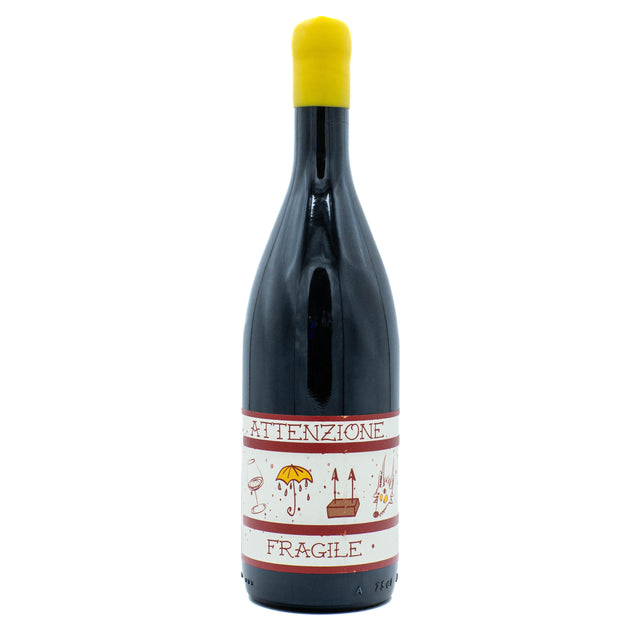
Poggio del Moro Attenzione Fragile Rosso 2024
We have 6 in stock (Inventory is live and accurate)
Summer Shipping Advisory: Orders may be temporarily held during periods of extreme heat to ensure wine arrives in optimal condition.
View current shipping weather map →
The Land
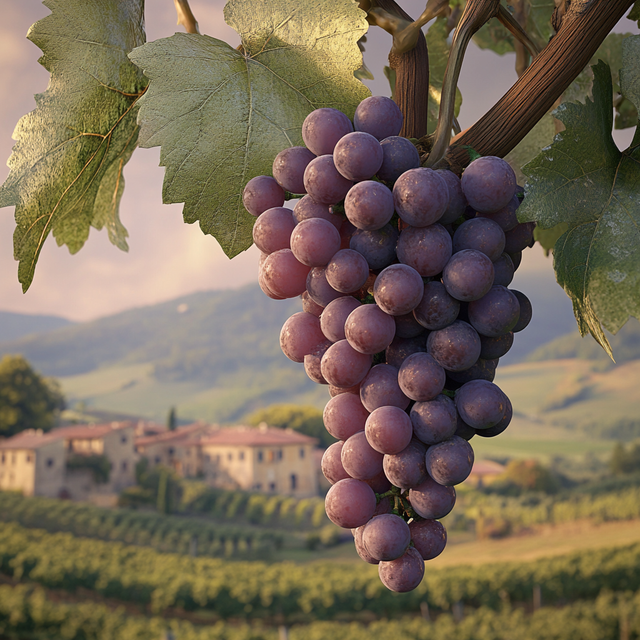
Attenzione Fragile comes from Poggio del Moro's vineyards outside Chianciano Terme, south of Montepulciano in the Val d'Orcia, on ground that formed under an ancient Pliocene sea. The soil here runs mostly sand, about 79%, with clay and a touch of light loam, at 330 meters elevation. The estate's ten vineyard plots are laid out around a small lake and named for their light exposure: morning, noon, and afternoon. It is warm, breezy country suited to ripening both the Sangiovese that dominates this wine and the small amount of Malvasia Bianca blended in alongside it, an old-school field-blend approach more common a generation ago than it is in Tuscany today.
The Wine
90% Sangiovese and 10% Malvasia Bianca, fermented together with wild yeast isolated from the estate's own vineyards, with only five days of skin contact before a soft press finishes fermentation off the skins. That short maceration is the whole point: it keeps the wine pale and light rather than pushing for depth, and it is made without added sulfites, hence the name, roughly "caution, fragile." Aging is brief, six months in second-hand 500-liter oak barrels, at 12.5% alcohol. The 2024 vintage in Tuscany ran cool and wet through spring before turning warm and dry, preserving acidity even as the fruit ripened. The result is bright red cherry and berry fruit, a floral lift from the Malvasia, and a soft finish with almost no tannic grip.
The People
Poggio del Moro is a small estate run by Tatiana Kuznetsova, built up over roughly the last decade near Chianciano Terme, south of Montepulciano. The vineyards are worked by hand and farmed without chemical pesticides or herbicides. Since 2015 the winery has focused on isolating its own indigenous yeast strains directly from vineyard microflora rather than buying in cultured yeast, aiming for fermentations that reflect the specific patch of ground each wine comes from. Attenzione Fragile is one of the more experimental bottlings in the portfolio, built around a short maceration and a red-white blend that most of Tuscany abandoned decades ago.
Food Pairing
Attenzione Fragile's light body and soft tannin make it a wine for chilling down slightly and drinking through a casual meal. Try it with a Margherita pizza, grilled zucchini and eggplant with olive oil, a plate of prosciutto and melon, or a simple tomato and basil pasta. It has enough acidity to stand up to tomato without a fight, and the low tannin means it will not clash with vegetables the way a bigger Sangiovese might. It is built for the kind of dinner where nobody is standing on ceremony.
We ship wine to most states with a $100 minimum order for shipping. We don't ship spirits nor beer.
Weather shipping advisory: Orders placed during times of extreme heat or extreme cold will be held for no charge until more favorable weather returns.
Tuscany is one of Italy’s most iconic wine regions, anchored by historic regions like Chianti and Montalcino, where Sangiovese thrives in clay-limestone soils and varying elevations. Chianti Classico produces medium-bodied, savory reds, while Montalcino’s warmer, drier conditions give rise to the powerful and long-lived Brunello. Along the Tuscan coast, regions like Bolgheri emerged in the late 20th century with the rise of Super Tuscans—often blends of international varieties like Cabernet Sauvignon and Merlot grown in marine-influenced soils. While overwhelmingly known for red wines, Tuscany is also home to great classic whites grown in San Gimignano and modern whites often made with French grape varieties.
Italy - Tuscany

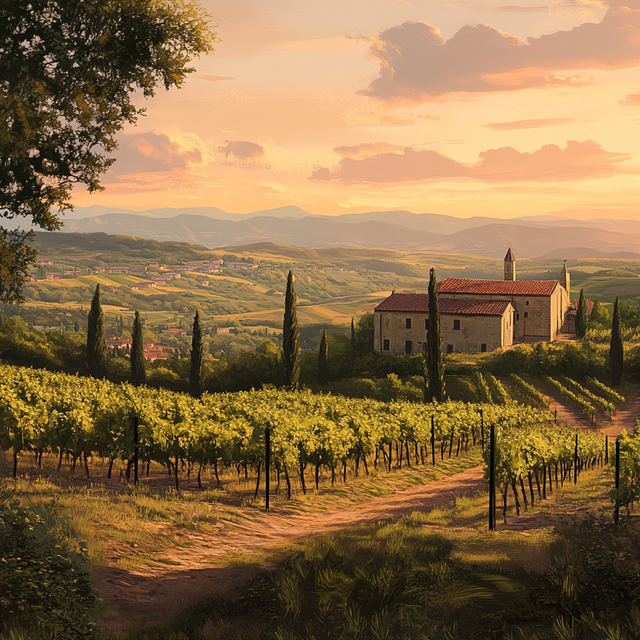
Sangiovese is Italy’s most widely planted red grape and the backbone of many of the country’s most renowned wines, including Chianti Classico, Brunello di Montalcino, and Vino Nobile di Montepulciano. Its name likely derives from the Latin “sanguis Jovis,” or “blood of Jupiter,” hinting at its ancient Roman roots. While native to central Italy, particularly Tuscany, it is also grown in regions like Umbria, Emilia-Romagna, and even scattered sites abroad. Sangiovese is known for its high acidity, firm tannins, and bright red fruit character, often showing notes of sour cherry, dried herbs, and earthy spice. Its structure and versatility make it a natural match for food and a compelling lens through which to explore regional terroirs.