

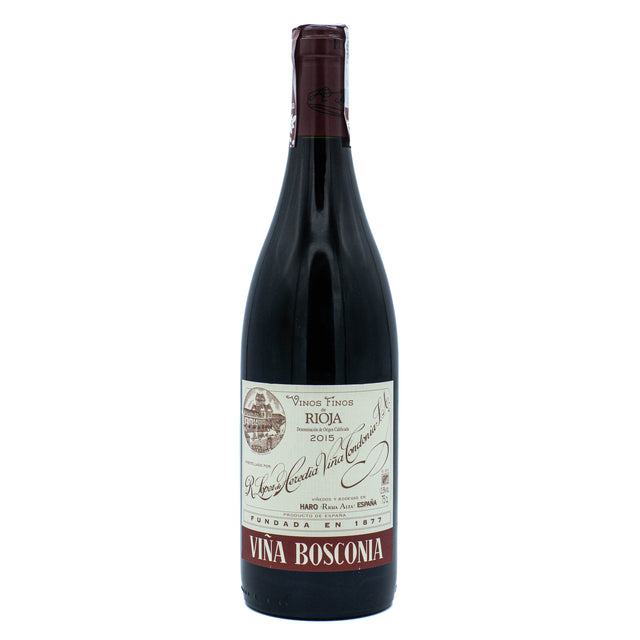
Lopez de Heredia Rioja Reserva Bosconia 2015
We have 3 in stock (Inventory is live and accurate)
The Land
The Barrio de la Estación in Haro is one of wine's stranger addresses: a cluster of historic bodegas packed within a few hundred meters of a railway station, built when Bordeaux négociants fleeing phylloxera arrived in Rioja in the 1870s and permanently changed the region's direction. López de Heredia has occupied this same site since 1877. Bosconia is the estate's 15-hectare vineyard of clay-calcareous terrain in the Rioja Alta, sitting at roughly 465 meters with a north-south orientation that limits direct sun exposure. Heavier clay and slower drainage distinguish it from the limestone-dominant Tondonia plot nearby — conditions that slow ripening and produce fruit with softer, more aromatic character. The 2015 vintage brought Rioja's earliest harvest on record: a compressed four-week window of warm, dry conditions that delivered concentrated, aromatic fruit with fine, supple tannins.
The Wine
80% Tempranillo, 15% Garnacha, 5% Mazuelo and Graciano, fermented in large open wooden vats with native yeasts, then aged five years in 225-litre American oak barrels that López de Heredia makes in its own on-site coopery — one of the last functional barrel-making operations attached to a Spanish wine estate. After barrel, the wine rests further in bottle before release, arriving at retail roughly a decade post-harvest. The American oak character is distinctive: dried cherry, cedar, vanilla, tobacco, with tertiary leather, dried rose petal, and forest floor from the extended aging. Garnet with an orange rim, supple and silky on the palate, fine-grained tannin, long dry finish. Bottled in a Burgundy-shaped bottle — López de Heredia's deliberate signal that this is their rounder, more textured expression, in contrast to the Bordeaux-bottled Tondonia, which skews more structured and austere.
The People
R. López de Heredia was founded in 1877 by Don Rafael López de Heredia, who arrived in the Rioja Alta as French négociants were reshaping the region during phylloxera. He built in Haro's train station quarter and established practices that have barely changed in 150 years: fermentation in large wooden vats, aging in old American oak, no filtration, wines released only when fully mature. The fourth generation, led by María José López de Heredia, now runs the estate. Over 13,000 old American oak barrels cycle through the cellar at any given time, each maintained or produced in the in-house coopery. The winery buys no barrels from outside suppliers. Farming, winemaking, cooperage, and the release decision all happen on López de Heredia's own timeline.
Food Pairing
Bosconia's silky texture and savory dry finish reward a proper meal. Roasted lamb shoulder with garlic and rosemary, duck confit with cherry sauce, or mushroom-stuffed chicken thighs with a pan jus. A plate of aged Roncal or long-cured Manchego is equally well-matched. The fine tannin and acidity cut through fat cleanly. The kind of wine you open with dinner and are still talking about two hours later.
We ship wine to most states with a $100 minimum order for shipping. We don't ship spirits nor beer.
Weather shipping advisory: Orders placed during times of extreme heat or extreme cold will be held for no charge until more favorable weather returns.
Rioja, Spain's iconic wine region nestled in the north-central part of the country, is defined by its diverse landscape and Tempranillo-based wines. The region is divided into three distinct subregions: Rioja Alta, Rioja Alavesa, and Rioja Oriental (formerly Rioja Baja), each contributing unique characteristics based on altitude, soil composition, and climate. While Tempranillo dominates, other important grapes include Garnacha, Graciano, and Mazuelo for reds, and Viura (Macabeo) for whites. Rioja's modern winemaking style was significantly shaped by the phylloxera epidemic of the late 19th century, which devastated vineyards across Europe. As French winemakers sought refuge and new sources of wine, they brought their techniques to Rioja, introducing oak aging and influencing the development of the region's distinctive, internationally recognized style.
Spain - Rioja

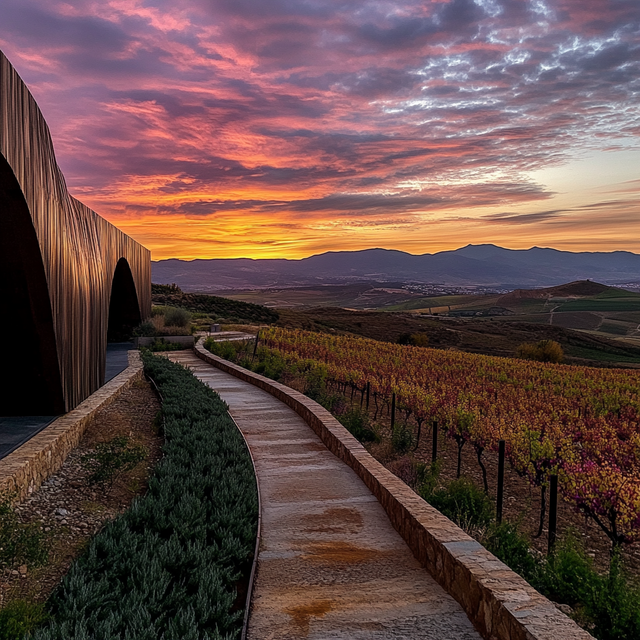
Tempranillo, Spain's most celebrated red grape, takes its name from the Spanish word "temprano," meaning "early," a reference to the variety's tendency to ripen earlier than other Spanish grapes. This versatility allows it to thrive across a range of climates and soil types. Though primarily associated with Spain, where it forms the backbone of Rioja, Ribera del Duero, and other prominent regions, Tempranillo also has a significant presence in Portugal. Here, it's known under various synonyms, including Tinta Roriz, Aragonez, and Tinto Fino, playing a crucial role in the production of both red and rosé wines. Its ability to produce wines with moderate acidity, balanced tannins, and complex flavors of red fruit, leather, and tobacco make it a favorite among winemakers and wine drinkers alike.