

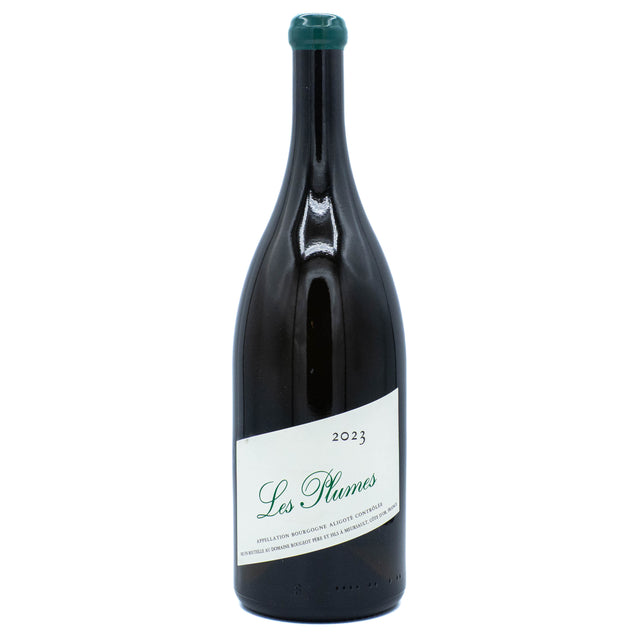
Domaine Rougeot Bourgogne Aligote Les Plumes 2023 1.5L
We have 0 in stock (Inventory is live and accurate)
Summer Shipping Advisory: Orders may be temporarily held during periods of extreme heat to ensure wine arrives in optimal condition.
View current shipping weather map →
The Land
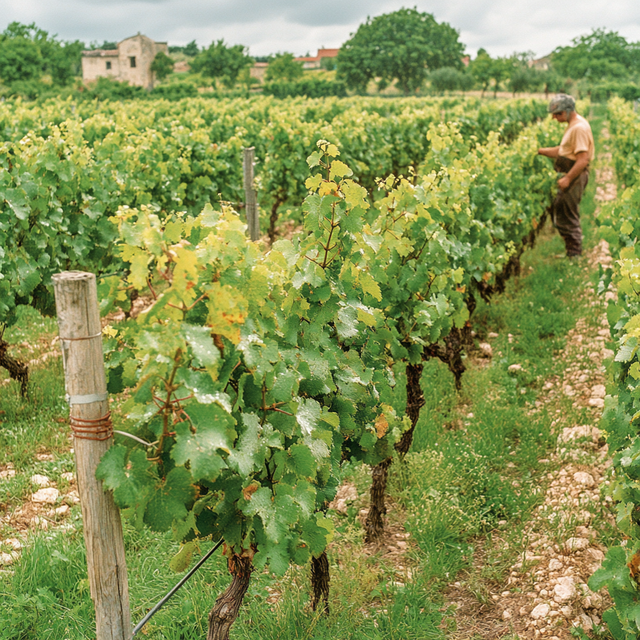
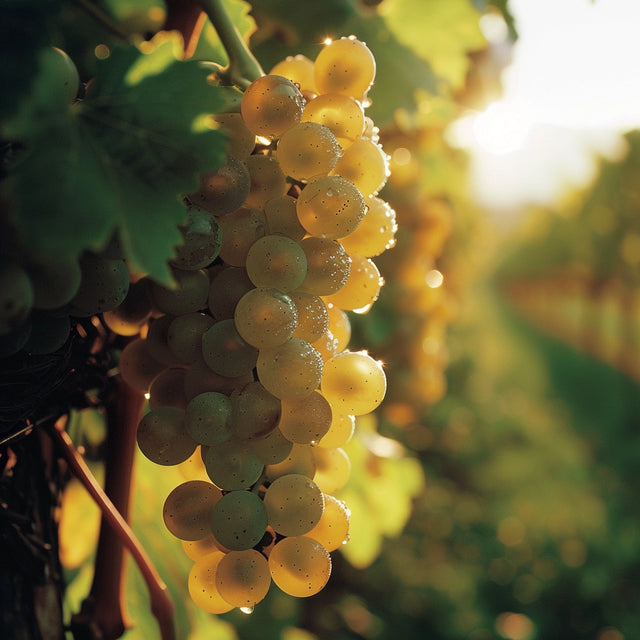
Aligoté has spent the better part of a century being planted where Chardonnay won't grow: the flatlands, the thin soils, the unfashionable plots. At Domaine Rougeot, the grape gets the same care as the rest of the range. Les Plumes is a single lieu-dit in the plains below Meursault, on the far side of the RN74 road, planted in 1974 with south/southeast exposure at 220 meters above sea level. The soils here are light and well-draining. Aligoté from this kind of site produces wines that are mineral, lean in the best sense, and distinctly lighter on their feet than Chardonnay. Burgundy's other white grape tends to be underestimated; in the right hands and the right place, it argues convincingly for a seat at the table.
The Wine
100% Aligoté, organically farmed. Hand-picked, whole-cluster pneumatic press, two days of cold settling, then eight months of élevage split equally between neutral 228L barrels and concrete tanks. A small amount of sulfur is added at bottling: this is a classic-label Rougeot, meaning Pierre-Henri found these barrels needed just enough protection to hold their line. The 2023 vintage was the largest in Burgundy's recorded history, but serious growers working below maximum yields saw no dilution. The Les Plumes shows what the vintage offered Aligoté at its best: fresh stone fruit, bright citrus, and a streak of stony minerality on the finish. Light on its feet, brisk, and clean. This is a 1.5-liter magnum.
The People
Pierre-Henri Rougeot is the eighth generation of winemakers in his family, though he nearly didn't enter the trade. He spent his twenties as an export manager for a tonnellerie, traveling France to sell barrels and spending time with natural winemakers in the Loire, Languedoc, and Beaujolais who changed how he thought about wine. He returned to the family domaine in Meursault in 2010, took over the cellar from his father, who continues to manage the vineyards. Certified organic since 2014, biodynamic practices followed. He produces two labels: a slanted diagonal flag label for wines bottled without any sulfur, and a classic label for those that received a small protective addition. Both start from the same place: farm well, and intervene only when the wine asks for it.
Food Pairing
Aligoté at this level is too good for the bottom of a Kir. Open it alongside oysters with shallot mignonette, a warm tray of gougères fresh from the oven, grilled trout with almonds and brown butter, or a board of charcuterie with good mustard and cornichons. The magnum format makes this the natural opener for a dinner of four: brisk, citrus-driven, and gone before you think to slow down.
We ship wine to most states with a $100 minimum order for shipping. We don't ship spirits nor beer.
Weather shipping advisory: Orders placed during times of extreme heat or extreme cold will be held for no charge until more favorable weather returns.
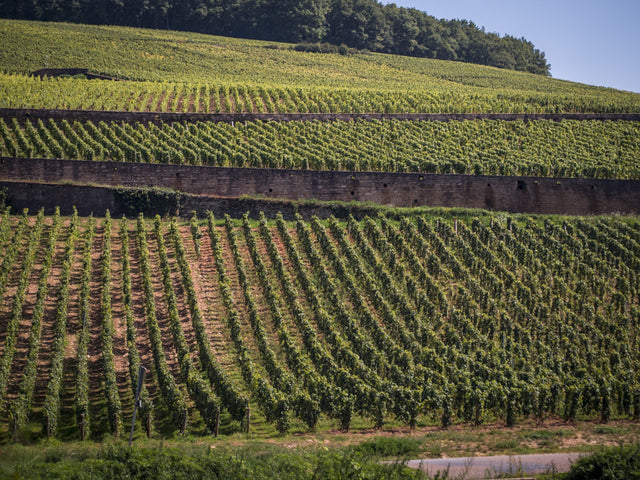
Burgundy, in eastern France, encompasses several subregions, but it is the Côte d'Or that is home to many of the world's most expensive and revered wines. The region, primarily a single east-facing slope, has mixed limestone soils that vary dramatically from village to village and even vineyard to vineyard. White wines, crafted from Chardonnay, range from rich and opulent to lean and intensely mineral, while Pinot Noir produces silky, perfumed red wines of exceptional finesse and complexity. Centuries of winemaking tradition have resulted in every plot being meticulously recognized and scrutinized, making the Côte d'Or a true capital of terroir.
Burgundy - Cote d'Or

Chardonnay, one of the world's most versatile and beloved white grape varieties, showcases a remarkable spectrum of styles, from the lean, mineral-driven expressions of Chablis in France to the rich, buttery, and oak-aged versions from California's Napa Valley. Its adaptability extends to cooler climates such as Burgundy, where it achieves elegance and complexity, and to regions like Australia's Yarra Valley, known for producing vibrant and fruit-forward renditions. This grape's ability to reflect its terroir, coupled with winemaking techniques, results in a wide array of profiles, including unoaked, crisp varieties with apple and citrus notes, to full-bodied wines with tropical fruit flavors and creamy textures.
Chardonnay
Practicing Organic vineyard farming involves growing grapes using organic methods—avoiding synthetic fertilizers, herbicides, pesticides, and fungicides—but without formal certification. Wineries adopting this approach prioritize environmental health, soil vitality, and biodiversity, using natural practices such as composting, cover cropping, and manual pest control. Many small wineries opt for practicing organic methods rather than pursuing official organic certification, primarily due to the significant cost, paperwork, and time commitment involved in certification processes. As a result, practicing organic is a popular choice among boutique and artisanal producers who remain committed to sustainable agriculture while managing budgetary constraints.