

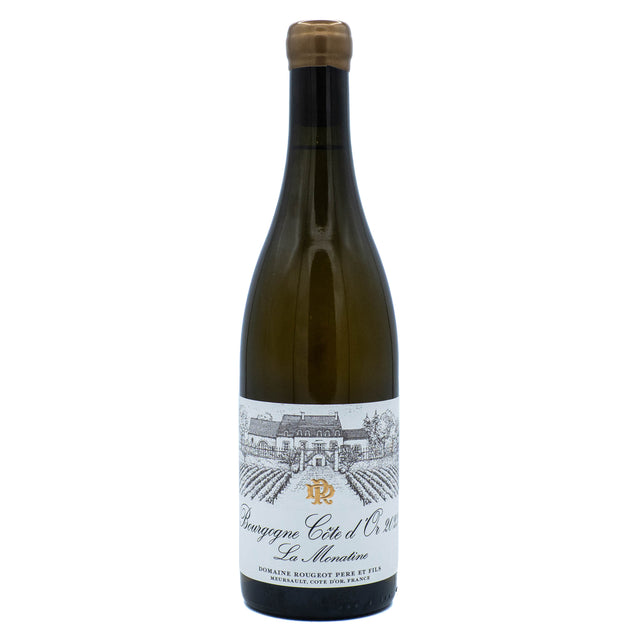
Domaine Rougeot Bourgogne Blanc La Monatine 2023
We have 32 in stock (Inventory is live and accurate)
Summer Shipping Advisory: Orders may be temporarily held during periods of extreme heat to ensure wine arrives in optimal condition.
View current shipping weather map →
The Land
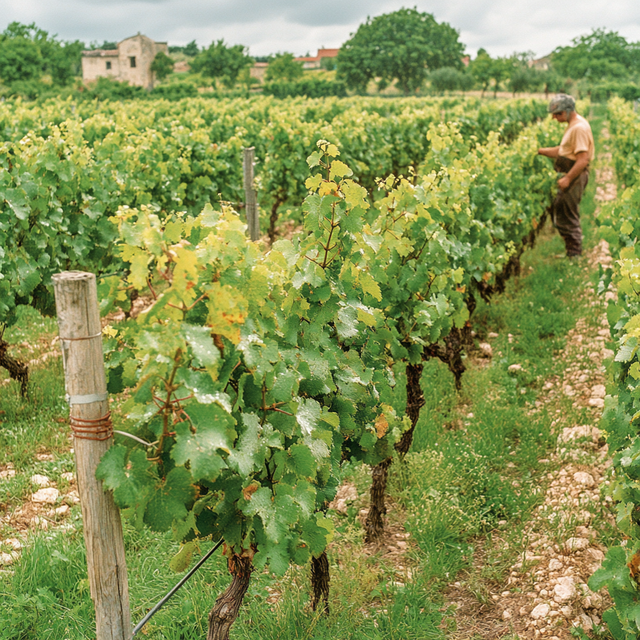
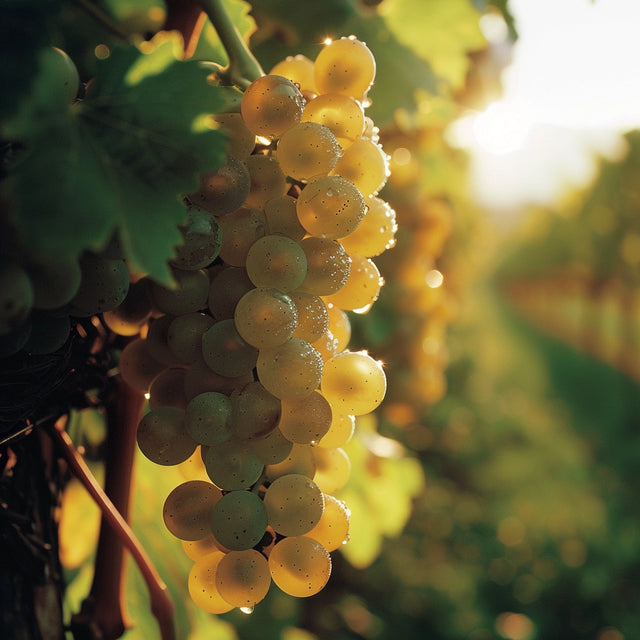
"La Monatine" takes its name from "En la Montagne," the vineyard's proper designation: a two-hectare lieu-dit at the base of the Meursault hill, with south/southeast exposure at roughly 230 meters above sea level. This places it below the Premier Cru belt but within Meursault's commune proper, on clay-limestone soils that run richer and heavier than the limestone-dominant plots higher up the slope. The 55-year-old vines have had decades to push roots through that clay, and the wine shows it in the mid-palate. Pierre-Henri sometimes calls wines from parcels like this the "Petit Meursault" of the range. The description isn't wrong.
The Wine
100% Chardonnay, biodynamically farmed. Hand-picked, direct whole-cluster press, cold settling for two days. Spontaneous fermentation in barrel; élevage runs 11 to 18 months in neutral 228L barrels with no batonnage, followed by a month in steel before bottling. Unfined, unfiltered, 25ppm SO2 at bottling: this is a classic-label Rougeot, meaning these particular barrels received a small protective measure. The 2023 vintage was the largest in Burgundy's recorded history, marked by a late August harvest and early September heat. At the village-tier level, the wines showed ripe pear and white fruit with good texture and early approachability. La Monatine's clay soils added body and breadth; the finish carries a warm, hazelnut-tinted earthiness that grounds the vintage's generosity.
The People
Pierre-Henri Rougeot took over the cellar at Domaine Rougeot Père et Fils in 2010, eight generations into his family's presence in Meursault. His path here ran through a cooperage: as a young man he spent years as an export manager for a barrel company, selling oak across France and spending time with natural winemakers in the Loire, Languedoc, and Beaujolais who persuaded him that low-intervention winemaking done with proper care produces wines of greater complexity and personality. His father continues to manage the vineyards; certified organic since 2014, biodynamic practices followed. The two-label system at Rougeot reflects the honest outcome of eight or nine months of barrel tasting: those that are stable and alive get bottled without anything added; those that need a small measure of security get one.
Food Pairing
Roast chicken with a tarragon cream sauce, gratin dauphinois alongside a simple pork loin, seared scallops with beurre blanc and chives, or a ripe, soft-rind cheese like Brie de Meaux at room temperature. The wine's mid-palate breadth and clean acidity make it a reliable partner for dishes built on butter and cream, which is not coincidentally exactly what Meursault was made for.
We ship wine to most states with a $100 minimum order for shipping. We don't ship spirits nor beer.
Weather shipping advisory: Orders placed during times of extreme heat or extreme cold will be held for no charge until more favorable weather returns.
Burgundy, in eastern France, encompasses several subregions, but it is the Côte d'Or that is home to many of the world's most expensive and revered wines. The region, primarily a single east-facing slope, has mixed limestone soils that vary dramatically from village to village and even vineyard to vineyard. White wines, crafted from Chardonnay, range from rich and opulent to lean and intensely mineral, while Pinot Noir produces silky, perfumed red wines of exceptional finesse and complexity. Centuries of winemaking tradition have resulted in every plot being meticulously recognized and scrutinized, making the Côte d'Or a true capital of terroir.
Burgundy - Cote d'Or

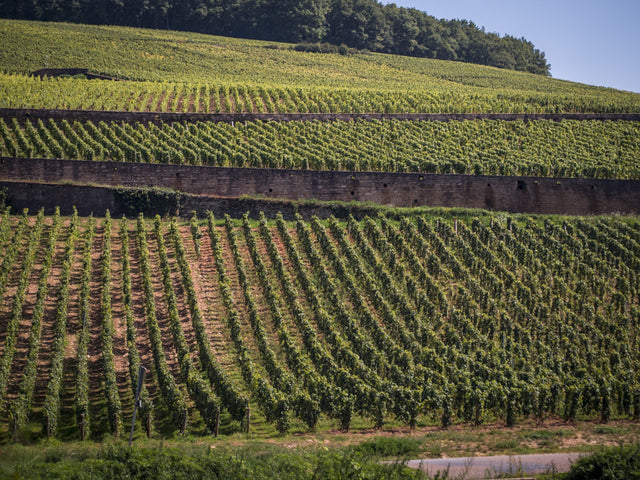
Chardonnay, one of the world's most versatile and beloved white grape varieties, showcases a remarkable spectrum of styles, from the lean, mineral-driven expressions of Chablis in France to the rich, buttery, and oak-aged versions from California's Napa Valley. Its adaptability extends to cooler climates such as Burgundy, where it achieves elegance and complexity, and to regions like Australia's Yarra Valley, known for producing vibrant and fruit-forward renditions. This grape's ability to reflect its terroir, coupled with winemaking techniques, results in a wide array of profiles, including unoaked, crisp varieties with apple and citrus notes, to full-bodied wines with tropical fruit flavors and creamy textures.
Chardonnay
Practicing Organic vineyard farming involves growing grapes using organic methods—avoiding synthetic fertilizers, herbicides, pesticides, and fungicides—but without formal certification. Wineries adopting this approach prioritize environmental health, soil vitality, and biodiversity, using natural practices such as composting, cover cropping, and manual pest control. Many small wineries opt for practicing organic methods rather than pursuing official organic certification, primarily due to the significant cost, paperwork, and time commitment involved in certification processes. As a result, practicing organic is a popular choice among boutique and artisanal producers who remain committed to sustainable agriculture while managing budgetary constraints.