

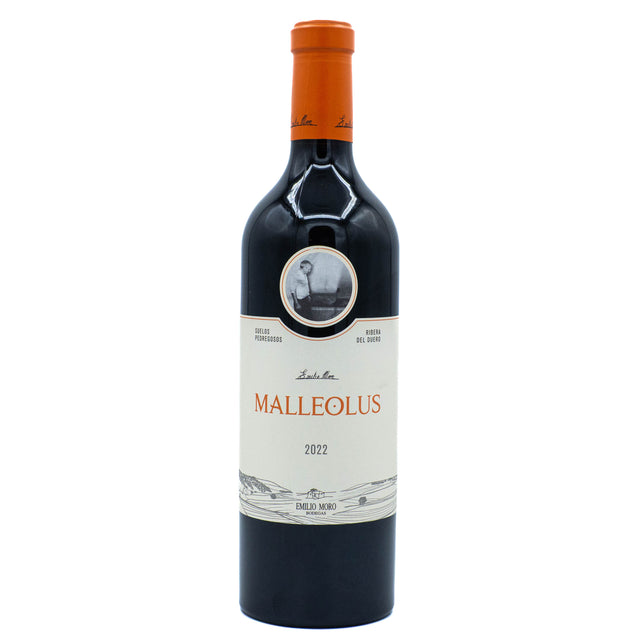
Emilio Moro Ribera del Duero Malleolus 2022
We have 11 in stock (Inventory is live and accurate)
The Land
Spain's most celebrated red wine region is not a valley — it is a plateau. The Duero River cuts through it, but the vineyards of Ribera del Duero sit on the high meseta at 750 to 900 meters above sea level, where winters drop below freezing, summers exceed 40°C, and annual rainfall rarely tops 450 millimeters. These extremes define what Ribera del Duero tastes like: concentrated, structured, and dark. The soils around Pesquera de Duero — where Emilio Moro is based — are stony moorland: shallow, calcium carbonate-rich, and rocky both at the surface and deep in the profile. Low yields are the norm. The 2022 season amplified the drought further: cumulative rainfall from January through September reached only 210 millimeters, harvest began August 30th, unusually early, and stretched 74 days as the winery navigated a diverse, heat-stressed crop. The Regulatory Council rated the vintage "very good."
The Wine
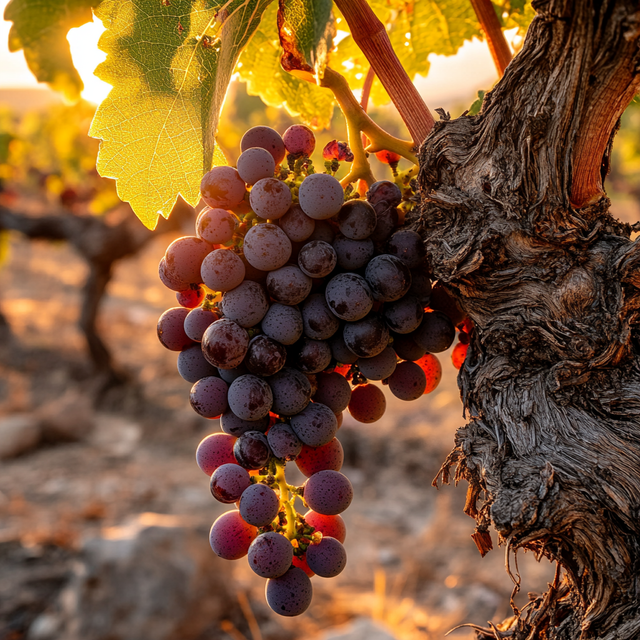
100% Tinto Fino, drawn from Emilio Moro's estate vineyards in the high Ribera del Duero, including parcels first planted in the late 1980s. Hand harvested, fermented in stainless steel with approximately 18 days of skin maceration, malolactic fermentation in tank, then aged in French oak barrels — predominantly 500-litre format, which integrates oak more gradually than a standard barrique. What's in the glass is still unmistakably full-throttle: ripe black fruit, cedar, tobacco, clove, with a broad, chewy texture and a long finish with real tannic grip. This is a modern Ribera style that doesn't apologize for its weight. September rains in 2022 modulated the extreme heat and prevented over-concentration, producing fruit that's rich but not jammy.
The People
The Moro family has farmed in Pesquera de Duero since the great-grandfather Emilio Moro was born there in 1891. The estate's oldest vineyard, Pago de Valderramiro, was planted in 1924. Bodegas Emilio Moro was formally established in 1987 under the third generation. Malleolus — the name means "vine cutting" in Latin, and is what the oldest local vineyards are traditionally called — was first made in 1998 as a deliberate break from Spain's Crianza/Reserva/Gran Reserva classification. Rather than age to a category, the family committed to listening to each vintage and giving every wine what it specifically needed. The fourth generation, led by general manager Patricia Sánchez Moro since 2022, now steers operations. The family owns roughly 200 hectares of estate vineyards, none irrigated, and also runs Cepa 21 in Ribera del Duero and a Godello project in El Bierzo.
Food Pairing
Built for meat. A bone-in ribeye with blue cheese butter, braised short ribs with roasted root vegetables, or lamb chops off a wood-fire grill — Malleolus holds its own against all of it. The tannin structure also works alongside long-aged Manchego or a board of jamón ibérico. The kind of bottle that makes a proper weekend dinner feel like an occasion.
We ship wine to most states with a $100 minimum order for shipping. We don't ship spirits nor beer.
Weather shipping advisory: Orders placed during times of extreme heat or extreme cold will be held for no charge until more favorable weather returns.
Castilla y León, a vast region in north-central Spain, is defined by a high-altitude plateau and a continental climate shaped by the Duero River. The region is known primarily for its red wines, with Ribera del Duero leading the charge with powerful Tempranillo-based wines, though Toro and Bierzo also contribute, alongside emerging white wines. On the southern border is the Sierra de Gredos, a separate region within the same broader area, known for its high-altitude vineyards and elegant Grenache (Garnacha) wines. The diverse soils, ranging from alluvial to sandy, clay, and gravel, combined with significant temperature swings between day and night, allow for the slow ripening of grapes, resulting in concentrated flavors and good acidity.
Spain - Castilla y Leon

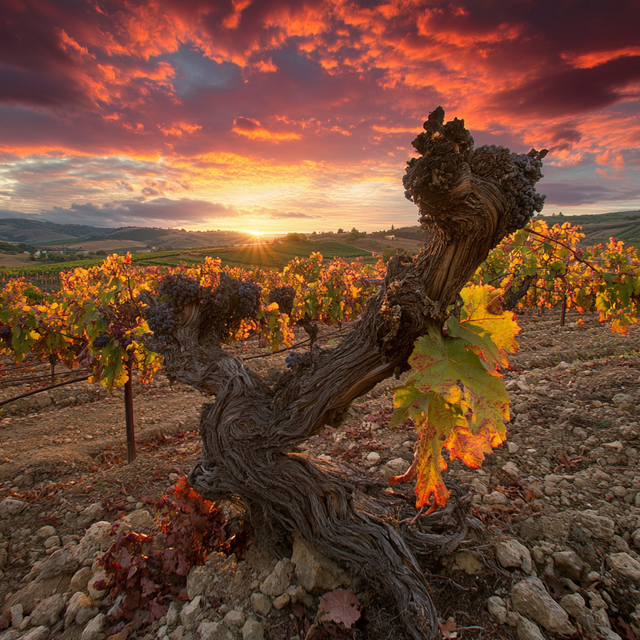
Tempranillo, Spain's most celebrated red grape, takes its name from the Spanish word "temprano," meaning "early," a reference to the variety's tendency to ripen earlier than other Spanish grapes. This versatility allows it to thrive across a range of climates and soil types. Though primarily associated with Spain, where it forms the backbone of Rioja, Ribera del Duero, and other prominent regions, Tempranillo also has a significant presence in Portugal. Here, it's known under various synonyms, including Tinta Roriz, Aragonez, and Tinto Fino, playing a crucial role in the production of both red and rosé wines. Its ability to produce wines with moderate acidity, balanced tannins, and complex flavors of red fruit, leather, and tobacco make it a favorite among winemakers and wine drinkers alike.