

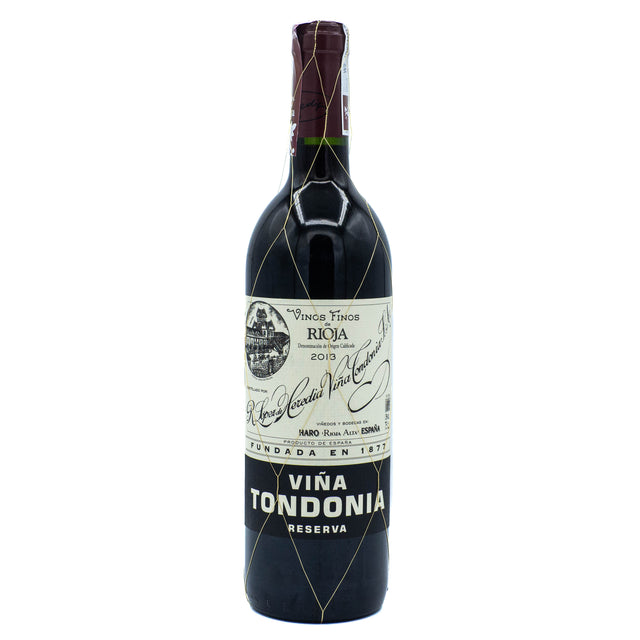
Lopez de Heredia Vina Tondonia Rioja Reserva 2013
We have 8 in stock (Inventory is live and accurate)
Summer Shipping Advisory: Orders may be temporarily held during periods of extreme heat to ensure wine arrives in optimal condition.
View current shipping weather map →
The Land
Viña Tondonia is one of the most storied single vineyards in Spain: 100 hectares in a natural bowl formed by the bend of the Ebro River in Haro, which López de Heredia has farmed since 1913. The soils are alluvial clay with high limestone content — well-drained, mineral-rich, and among the most reliable terroir in Rioja Alta. Average vine age is around 45 years. The 2013 growing season was one of the most challenging in recent memory: heavy spring rains and cold temperatures pushed the cycle back two to three weeks, producing Rioja's latest harvest on record, with grapes still being picked on November 8th. Yields were among the smallest in years. The Regulatory Council rated the vintage "Good" — a score that undersells the wine's aromatic precision and structural integrity.
The Wine
70% Tempranillo, 20% Garnacha, 5% Graciano, 5% Mazuelo, fermented in large wooden vats with native yeasts, no fining or filtration. Six years in 225-litre old American oak barrels made in the estate's own coopery, then additional years in bottle before release — the 2013 arrives roughly a decade post-harvest, fully resolved before it leaves the cellar. The American oak shapes the house character: dried cherry, tobacco leaf, cedar, dried orange peel, aged leather, dusty stone. Garnet with an orange rim, medium-bodied, precise, and dry — the 2013's cool-harvest aromatics and natural structure suit the López de Heredia style exceptionally well. Bottled in a Bordeaux-shaped bottle, telegraphing what the wine is: structured, austere, built for age, the counterpoint to the rounder, Burgundy-bottled Bosconia.
The People
R. López de Heredia was founded in 1877 and has operated from the same address in Haro's Barrio de la Estación for nearly 150 years. Winemaking practices have remained essentially unchanged: fermentation in wooden vats, extended aging in old American oak, no filtration. The estate makes its own barrels in an on-site coopery, maintains over 13,000 barrels in sandstone-carved cellars, and releases wines only when the family considers them ready. The fourth generation, led by María José López de Heredia, now oversees operations. All vineyards are farmed organically, and no outside fruit is sourced. The winery is one of the few in the world that is entirely self-contained, from vine to barrel to bottling.
Food Pairing
The lean, aromatic 2013 suits Tondonia well at the table. Roasted whole chicken with thyme and preserved lemon, leg of lamb slow-cooked with olives and garlic, or jamón ibérico with aged Manchego. The dry tannic structure also works alongside a mushroom ragù over pasta or grilled porcini. Ten years of patience are built into every bottle — worth extending that a little further at the dinner table.
We ship wine to most states with a $100 minimum order for shipping. We don't ship spirits nor beer.
Weather shipping advisory: Orders placed during times of extreme heat or extreme cold will be held for no charge until more favorable weather returns.
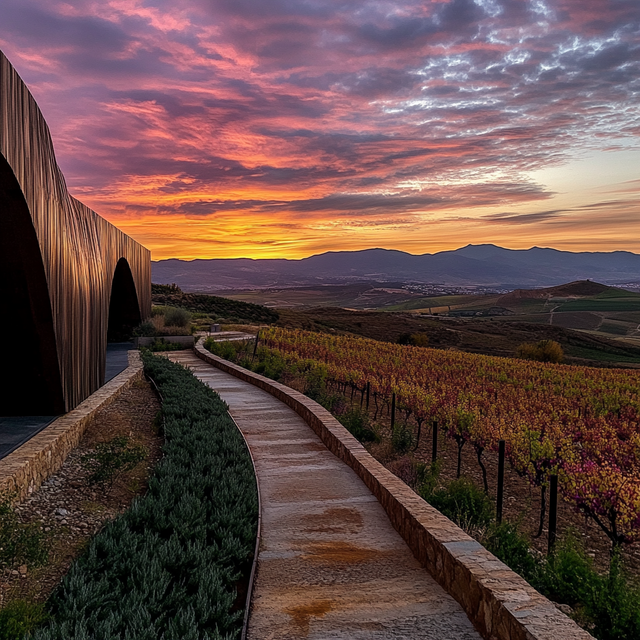
Rioja, Spain's iconic wine region nestled in the north-central part of the country, is defined by its diverse landscape and Tempranillo-based wines. The region is divided into three distinct subregions: Rioja Alta, Rioja Alavesa, and Rioja Oriental (formerly Rioja Baja), each contributing unique characteristics based on altitude, soil composition, and climate. While Tempranillo dominates, other important grapes include Garnacha, Graciano, and Mazuelo for reds, and Viura (Macabeo) for whites. Rioja's modern winemaking style was significantly shaped by the phylloxera epidemic of the late 19th century, which devastated vineyards across Europe. As French winemakers sought refuge and new sources of wine, they brought their techniques to Rioja, introducing oak aging and influencing the development of the region's distinctive, internationally recognized style.
Spain - Rioja

Tempranillo, Spain's most celebrated red grape, takes its name from the Spanish word "temprano," meaning "early," a reference to the variety's tendency to ripen earlier than other Spanish grapes. This versatility allows it to thrive across a range of climates and soil types. Though primarily associated with Spain, where it forms the backbone of Rioja, Ribera del Duero, and other prominent regions, Tempranillo also has a significant presence in Portugal. Here, it's known under various synonyms, including Tinta Roriz, Aragonez, and Tinto Fino, playing a crucial role in the production of both red and rosé wines. Its ability to produce wines with moderate acidity, balanced tannins, and complex flavors of red fruit, leather, and tobacco make it a favorite among winemakers and wine drinkers alike.