

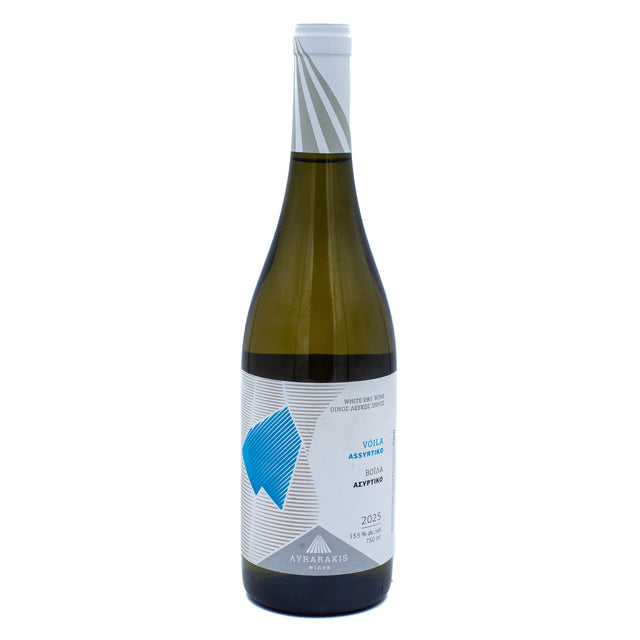
Lyrarakis Assyrtiko Vóila 2025
We have 0 in stock (Inventory is live and accurate)
Summer Shipping Advisory: Orders may be temporarily held during periods of extreme heat to ensure wine arrives in optimal condition.
View current shipping weather map →
The Land
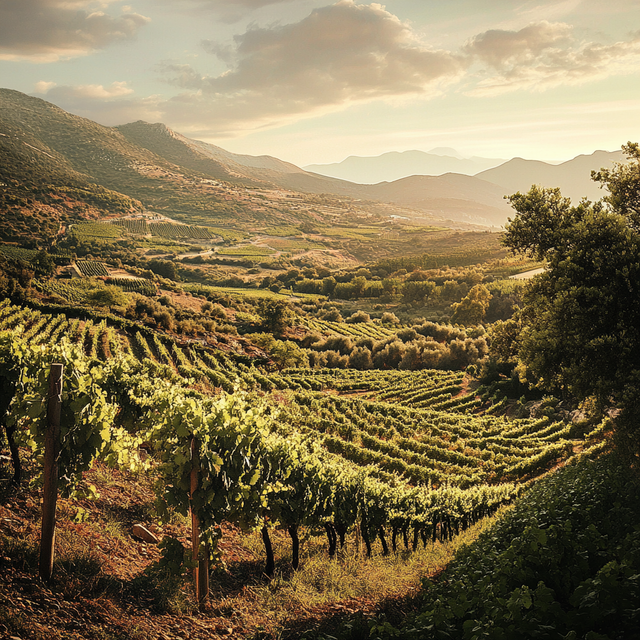
Most people encounter Assyrtiko on Santorini, where it grows in volcanic pumice on the famous basket-trained vines of the caldera. Crete is a different story. The Vóila vineyard sits at 580 to 700 meters above sea level near Sitia in eastern Crete, on limestone soils that are dry-farmed and organically managed. The altitude is the key: most Cretan vineyards are coastal and warm, but Vóila's elevation creates a longer, cooler growing season that preserves natural acidity and gives the wine a more continental structure. The vines were propagated from Santorini material in the early 1990s and have since adapted to limestone and altitude with results that are distinctly their own.
The Wine
100% Assyrtiko, dry-farmed on limestone at elevation. Organic viticulture throughout. The wine shows the variety's structural signature: bright citrus, white flowers, a chalky saline mineral thread, and the high natural acidity that makes Assyrtiko one of the most age-worthy white grapes in the Mediterranean. Cretan Assyrtiko from limestone and altitude is less volcanic and more linear than the Santorini version, with a particular mineral freshness that suits the site perfectly. The 2025 vintage reflects the estate's clean, precise winemaking.
The People
Lyrarakis Wines was established in 1966 by brothers Manolis and Sotiris Lyrarakis, and it has been at the forefront of the modern Cretan wine revival ever since. The estate is known above all for its work rescuing nearly extinct indigenous Cretan varieties, including Plytó, Dafni, and Vidiano, all brought back from the edge of extinction under the Lyrarakis name. The Vóila Assyrtiko sits alongside that mission: serious, site-expressive winemaking that treats Crete as a world-class wine region, not an afterthought.
Food Pairing
Grilled octopus with lemon and olive oil, fried calamari, shrimp saganaki, grilled sea bream with herbs, or Greek salad with quality feta. The high acidity and saline minerality make this one of the best whites in the shop for seafood, particularly preparations where acid and salt are already doing the work.
We ship wine to most states with a $100 minimum order for shipping. We don't ship spirits nor beer.
Weather shipping advisory: Orders placed during times of extreme heat or extreme cold will be held for no charge until more favorable weather returns.
Greece – Mainland covers a diverse range of wine regions shaped by mountains, rivers, and varying altitudes, from the cool slopes of Macedonia in the north to the sunlit plains of the Peloponnese. Key areas like Naoussa, Nemea, and Amyndeon are known for structured reds from Xinomavro and Agiorgitiko, while higher-altitude zones produce crisp, aromatic whites from Roditis, Malagousia, and Assyrtiko. Soils range from limestone and marl to clay and schist, and elevation plays a crucial role in moderating the heat, allowing for balance and freshness across styles. This varied landscape has helped reestablish the mainland as the backbone of Greece’s modern wine revival.
Greece - Mainland Greece

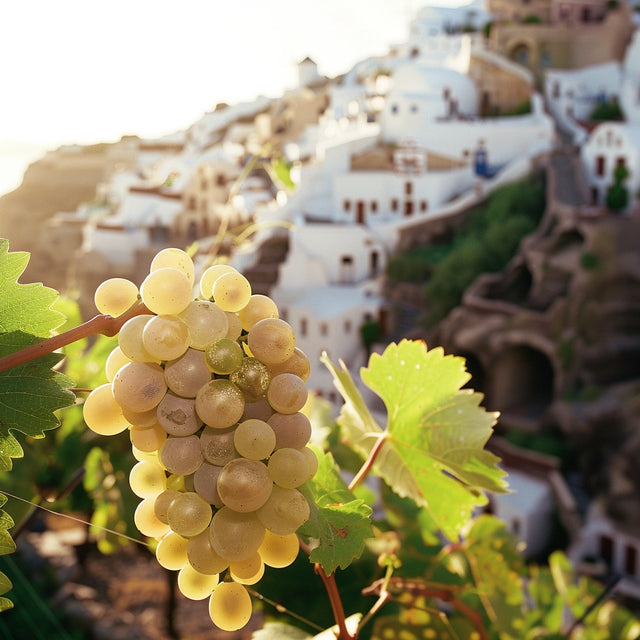
Assyrtiko is a robust white grape indigenous to the volcanic island of Santorini, Greece, admired for its striking minerality, citrus and stone fruit flavors, and remarkable ability to retain acidity even in the warm Mediterranean climate, leading to wines with great aging potential and depth.
Assyrtiko
Practicing Biodynamic vineyard farming follows the core principles of biodynamics—treating the vineyard as a self-sustaining, living organism and aligning farming activities with lunar and cosmic rhythms—but without formal certification. These vineyards often use compost preparations, herbal sprays, and homeopathic remedies to nourish the soil and promote vine health, while fostering biodiversity and natural balance. Many small or artisan producers embrace biodynamics philosophically and practically but choose not to pursue certification due to its cost, administrative demands, or philosophical preference for independence. As a result, practicing biodynamic farms often reflect a deep, holistic commitment to the land, even without the official label.