

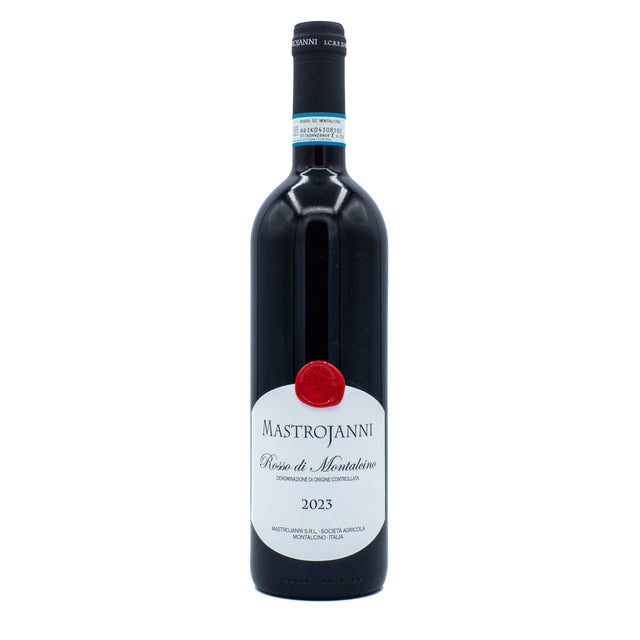
Mastrojanni Rosso di Montalcino 2023
We have 3 in stock (Inventory is live and accurate)
Summer Shipping Advisory: Orders may be temporarily held during periods of extreme heat to ensure wine arrives in optimal condition.
View current shipping weather map →
The Land
Castelnuovo dell'Abate sits at the far southeastern corner of the Montalcino municipality, an area that remained largely overlooked until the mid-1970s. The position here is warmer and lower than the more celebrated northwestern slopes around the town of Montalcino itself, shaped by two converging forces: the Orcia River, which runs below the vineyards and moderates summer heat with cool evening air, and Monte Amiata to the south, the dormant volcano that blocks afternoon thunderstorms and defines the microclimate. Soils are clays, sandstones, sands, and conglomerates of lacustrine origin, on south, southeast, and southwest-facing slopes between 180 and 420 meters. The southeastern corner produces Brunello of distinctive warmth, richness, and early generosity.
The Wine
100% Sangiovese from the younger vineyards of the estate, the Rosso di Montalcino is aged 6-7 months in Allier oak barriques. The 2023 vintage was a difficult one: near-daily spring rains through May and June brought severe downy mildew across Montalcino, cutting crop loads by roughly 60% in affected parcels. Summer heat killed the mildew, and cooler conditions in late August and September allowed the surviving fruit to finish in balance. Rigorous sorting in the cellar produced wines of finesse and mineral precision. Dark cherry, crushed blackberry, and fresh lavender with a lighter, old-school structure that makes this more immediately drinking than the warmer vintages before it.
The People
Mastrojanni was founded in 1975 when lawyer Gabriele Mastrojanni acquired Poderi Loreto and San Pio, two estates in Castelnuovo dell'Abate. He was among the first to recognize the potential of the southeastern Montalcino hillside. Winemaker Maurizio Castelli joined the estate in 1990. In 2008 the Illy Group, the Trieste coffee family, acquired Mastrojanni and appointed Andrea Machetti CEO. Since 2022, under Francesco Illy, the estate has moved toward organic and biodynamic farming practices; no herbicides have ever been used, and no synthetic chemistry has been applied since November 2022. The estate covers 8 hectares of vineyards across the Poderi Loreto and San Pio parcels.
Food Pairing
The Rosso is the weeknight Brunello: pasta al ragu with wide noodles, roast chicken thighs with olives and cherry tomatoes, grilled lamb chops with rosemary and garlic, or aged pecorino with honey and walnuts. Ready now, and a pleasure for the next three to five years.
We ship wine to most states with a $100 minimum order for shipping. We don't ship spirits nor beer.
Weather shipping advisory: Orders placed during times of extreme heat or extreme cold will be held for no charge until more favorable weather returns.
Tuscany is one of Italy’s most iconic wine regions, anchored by historic regions like Chianti and Montalcino, where Sangiovese thrives in clay-limestone soils and varying elevations. Chianti Classico produces medium-bodied, savory reds, while Montalcino’s warmer, drier conditions give rise to the powerful and long-lived Brunello. Along the Tuscan coast, regions like Bolgheri emerged in the late 20th century with the rise of Super Tuscans—often blends of international varieties like Cabernet Sauvignon and Merlot grown in marine-influenced soils. While overwhelmingly known for red wines, Tuscany is also home to great classic whites grown in San Gimignano and modern whites often made with French grape varieties.
Italy - Tuscany

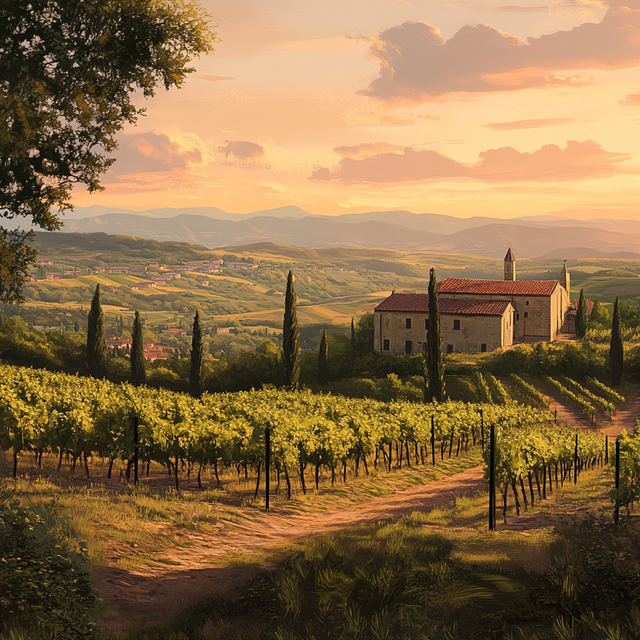
Sangiovese is Italy’s most widely planted red grape and the backbone of many of the country’s most renowned wines, including Chianti Classico, Brunello di Montalcino, and Vino Nobile di Montepulciano. Its name likely derives from the Latin “sanguis Jovis,” or “blood of Jupiter,” hinting at its ancient Roman roots. While native to central Italy, particularly Tuscany, it is also grown in regions like Umbria, Emilia-Romagna, and even scattered sites abroad. Sangiovese is known for its high acidity, firm tannins, and bright red fruit character, often showing notes of sour cherry, dried herbs, and earthy spice. Its structure and versatility make it a natural match for food and a compelling lens through which to explore regional terroirs.