

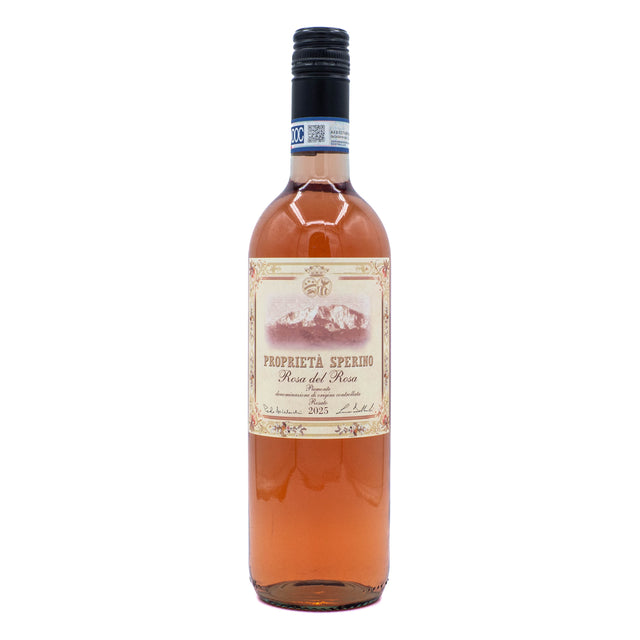
Proprietà Sperino Rosa del Rosa Rosato 2025
We have 5 in stock (Inventory is live and accurate)
Summer Shipping Advisory: Orders may be temporarily held during periods of extreme heat to ensure wine arrives in optimal condition.
View current shipping weather map →
The Land
The Orolungo plateau sits at the foot of the Alps above Biella in the province of Novara, a territory known for centuries for wine but largely abandoned after phylloxera and postwar economic collapse. The soils here are like nowhere else in Piedmont: Pliocene-era marine sands deposited over igneous bedrock, loaded with iron, manganese, aluminum, and zinc. "Ori" means gold in the local dialect, a reference to the yellow color of these distinctive mineral-rich sands. They drain freely, stress the vine, and produce wines of lighter body and pronounced fragrance even from Nebbiolo. Proprietà Sperino's Lessona vineyards sit at the foot of Monte Rosa at six hectares across five named parcels: Belvedere, Ormeggio, Castagnola, Rava, and Covà.
The Wine
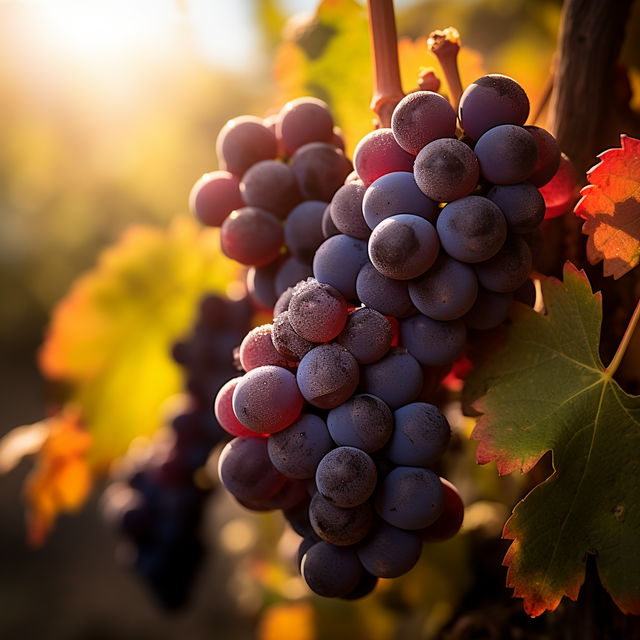
85% Nebbiolo, 15% Vespolina, from the Ormeggio, Castagnola, and Belvedere parcels in Lessona. Harvested by hand, sorted, destemmed, gently pressed, and gravity-fed into open-topped wooden fermenters in the cellar of the old Lessona castle, a building over two centuries old. Native yeast fermentation. The rosato spends roughly three months on the lees before bottling. "Rosa del Rosa" doubles down on the color: rosa is pink, del Rosa means of the rose. The profile is fresh and Alpine: sour cherry, dried rose petal, iron, and a saline mineral edge. Drink it cold and soon.
The People
Proprietà Sperino was revived in 1999 when Paolo de Marchi — the Florentine winemaker behind Isole e Olena in Chianti Classico — and his son Luca began restoring the original family cellars in Lessona. The project is as much an act of historical recovery as it is winemaking: this region produced wines as admired as Barolo before phylloxera and the postwar exodus of agricultural labor wiped out its vineyards. The estate now farms eight hectares, six in Lessona and two and a half in the Bramaterra zone. The first vintage was 2004, released in 2006. Imported by Giuliana Imports.
Food Pairing
Rosé built from Nebbiolo and Vespolina has more structure than a Provence rosé and handles more at the table. Chilled salmon with capers and dill, grilled swordfish with citrus vinaigrette, burrata with heirloom tomatoes, or a charcuterie spread with cured northern Italian meats. Serve very cold, around 48 degrees.
We ship wine to most states with a $100 minimum order for shipping. We don't ship spirits nor beer.
Weather shipping advisory: Orders placed during times of extreme heat or extreme cold will be held for no charge until more favorable weather returns.
Piedmont, framed by the Alps in northwestern Italy, is a land of rolling hills and carefully cultivated vineyards. The continental climate, with its cold winters and warm summers, creates prime conditions for the Nebbiolo grape, which dominates much of the region's red wine production. The Langhe area is home to Barolo and Barbaresco, structured red wines known for their complex aromas, firm tannins, and aging potential. While Nebbiolo is the dominant grape of Piedmont, the region also makes interesting white wines like those from Arneis and Timorasso. Alto Piemonte is a separate region in the north with its own distinctive expressions of Nebbiolo, alongside other red grape varietals.
Italy - Piedmont

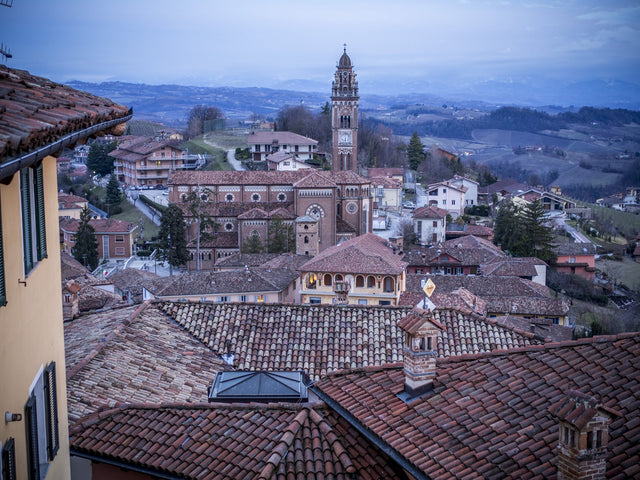
Nebbiolo, a prestigious grape from Italy's Piedmont region, is celebrated for its profound truffle and rose aromas, complex flavors, and ability to age gracefully thanks to strong acidity and tannins, producing the renowned Barolo and Barbaresco wines.