

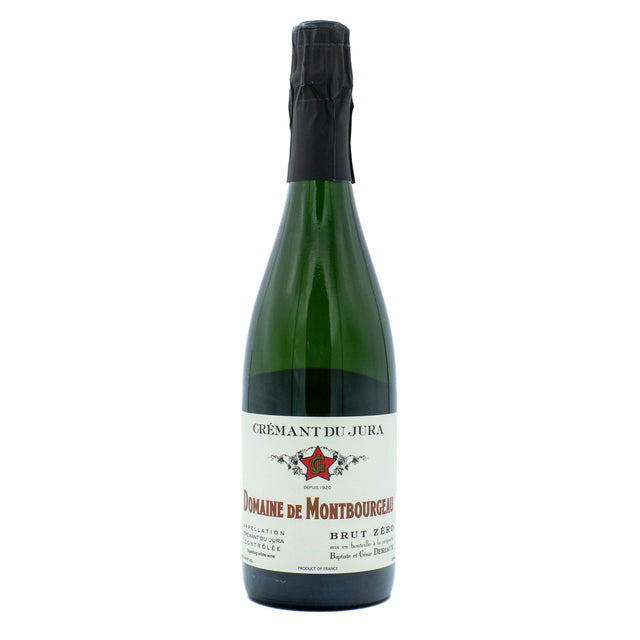
Domaine de Montbourgeau Cremant du Jura Brut Zero
We have 1 in stock (Inventory is live and accurate)
Summer Shipping Advisory: Orders may be temporarily held during periods of extreme heat to ensure wine arrives in optimal condition.
View current shipping weather map →
The Land
L'Étoile is one of the smallest appellations in France, just 52 hectares folded into the southwestern corner of the Jura. The name means star, credited either to the five hills that ring the village or, more likely, to the fossilized starfish scattered through the ground here. Those soils are the whole point: grey and blue marls laced with limestone scree and marine fossils, cool and deeply mineral. The climate is continental and unforgiving this far east toward the Alps, cold winters and short summers that push Chardonnay to ripen slowly and hold onto its acidity. Chalky marl plus preserved freshness is exactly what gives Jura sparkling wine its cut.
The Wine
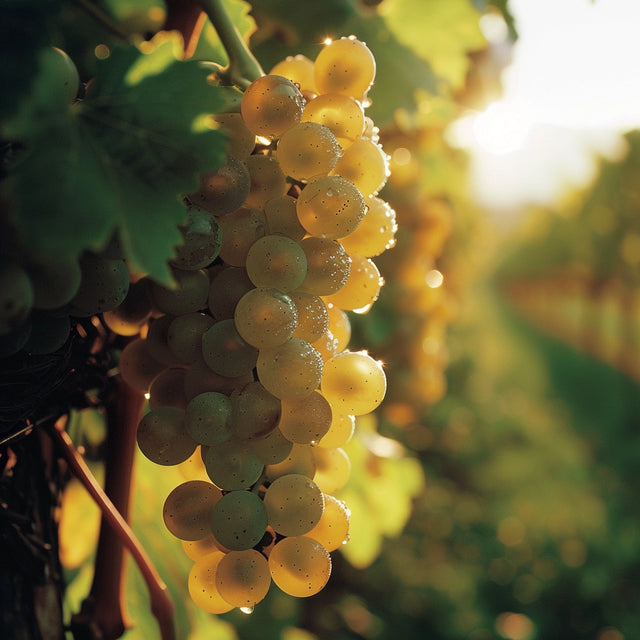
One hundred percent Chardonnay from Nicole Deriaux's younger vines, made by the traditional method, the same process used in Champagne. The wine goes through both alcoholic and malolactic fermentation, then rests a minimum of 18 months on its lees before disgorging. It is bottled with zero dosage, no added sugar whatsoever, which is where the Brut Zero name comes from and why it finishes bone dry. No oak touches it. Expect a fine, persistent bead, green apple, lemon pith, white flowers, and a chalky, bready lees character, with a rounded texture that owes nothing to sweetness. 12.5% alcohol. Dry, saline, and unadorned, this is still the Chardonnay of L'Étoile, just with bubbles.
The People
Montbourgeau has grown wine in L'Étoile since Victor Gros planted the vineyards in 1920. His son Jean expanded the estate after taking charge in 1956, and Jean's daughter, Nicole Deriaux, joined in 1986 and now runs the domaine, with her three sons waiting in the wings. The property is nine hectares, mostly Chardonnay, with just under two hectares of Savagnin and small plantings of the local Trousseau and Poulsard. The vines are farmed organically, and the cellar work is deliberately old-fashioned: hand-harvesting, fermentation in stainless steel, then aging in a mix of foudres and older barrels beneath the family house. Deriaux is one of the reference points for traditional winemaking in the modern Jura.
Food Pairing
Zero dosage and bright acidity make this a natural aperitif, but it has enough grip for the table. Pour it with a plate of raw oysters, with ceviche or crudo, with fried chicken where the dryness cuts the salt and fat, or with a wedge of Comté from the same mountains. It also pairs with smoked salmon and crème fraîche on rye. The bone-dry finish and fine bubbles scrub the palate clean between bites. The kind of bottle that turns an ordinary Tuesday into something that feels like an occasion.
We ship wine to most states with a $100 minimum order for shipping. We don't ship spirits nor beer.
Weather shipping advisory: Orders placed during times of extreme heat or extreme cold will be held for no charge until more favorable weather returns.
Located in eastern France, the Jura wine region has emerged as a notable spot for natural winemaking, drawing attention for its minimal intervention practices. Despite its cooler climate, Jura is currently "hot" in the wine world, particularly for those valuing artisanal approaches. It's distinguished by unique soils like limestone and marl, enriching its wines with distinct minerality. The region champions native grapes such as Savagnin, Trousseau, Poulsard, and Chardonnay, which thrive here. Small-scale production is key, ensuring each bottle reflects Jura's unique terroir and winemaking philosophy, blending tradition with innovation.
Jura

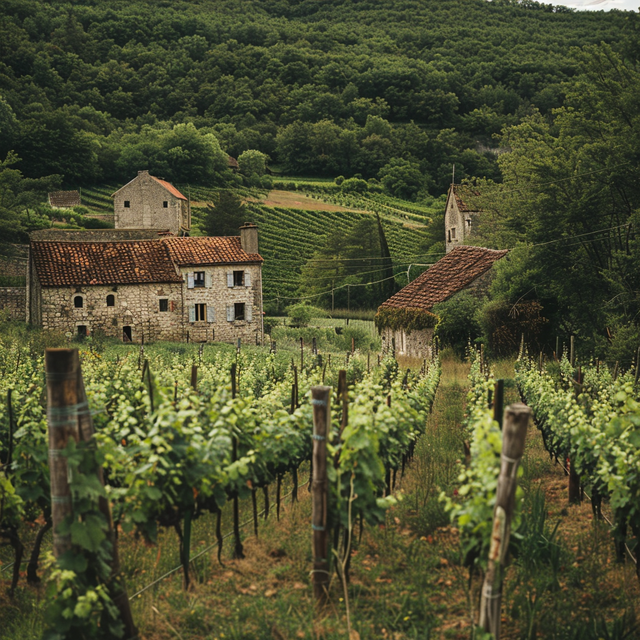
Chardonnay, one of the world's most versatile and beloved white grape varieties, showcases a remarkable spectrum of styles, from the lean, mineral-driven expressions of Chablis in France to the rich, buttery, and oak-aged versions from California's Napa Valley. Its adaptability extends to cooler climates such as Burgundy, where it achieves elegance and complexity, and to regions like Australia's Yarra Valley, known for producing vibrant and fruit-forward renditions. This grape's ability to reflect its terroir, coupled with winemaking techniques, results in a wide array of profiles, including unoaked, crisp varieties with apple and citrus notes, to full-bodied wines with tropical fruit flavors and creamy textures.