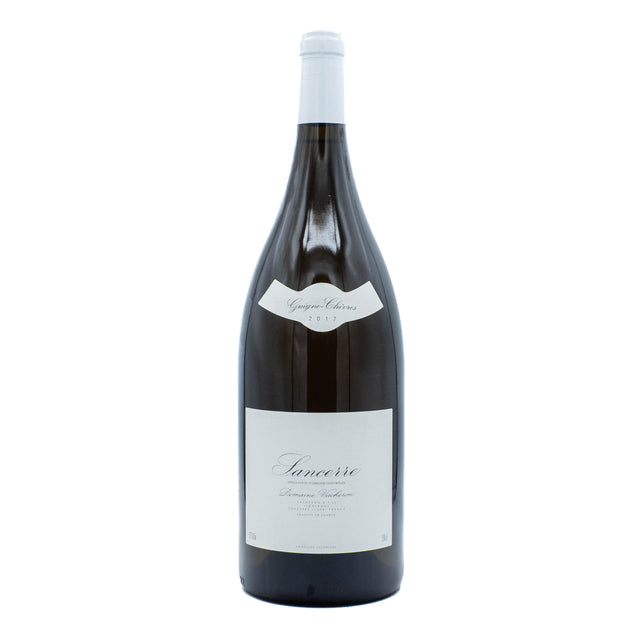
Domaine Vacheron Sancerre Guigne Chevres 2017 1.5L
We have 2 in stock (Inventory is live and accurate)
Summer Shipping Advisory: Orders may be temporarily held during periods of extreme heat to ensure wine arrives in optimal condition.
View current shipping weather map →
The Land
Sancerre is usually explained through three soil types, and most of the appellation's famous names sit on the chalky ones. Vacheron is a silex house. Flint dominates the eastern edge of the appellation, on the Sancerre side of the Loire directly across from Pouilly-Fumé, and it produces a narrower, more vertical, longer-lived style of Sauvignon Blanc than caillottes ever will. Guigne Chèvres is the domaine's most severe expression of that: a north-facing single vineyard at 320 to 350 meters, where flint sits over a shallow band of limestone and red clay. North exposure at that elevation means slow ripening and late picking, and the flint holds daytime heat into the night. Vines average more than thirty years.
The Wine
100% Sauvignon Blanc, hand-harvested, fermented with native yeast in tank, then aged twelve months in large upright Stockinger foudres. That is a Burgundian timeline for a grape most producers rush to bottle in the spring, and it is why this drinks less like Sancerre-as-category and more like a serious white wine that happens to be Sauvignon. The 2017 vintage in the Loire was defined by a severe late-April frost that cut yields sharply across the region, followed by a warm, dry summer and an early harvest. What survived was concentrated. Nine years on, the wine has moved past grapefruit-and-grass territory into something denser: preserved lemon, white peach, wet flint, crushed oyster shell, and a faint smokiness that keeps building in the glass. Acidity is still tight and the finish is savory rather than fruity. In magnum, it has aged even more slowly than the 750s.
The People
The Vacheron family has farmed in Sancerre for four generations, and the domaine's 34 hectares include some of the most coveted parcels in the appellation. Cousins Jean-Laurent and Jean-Dominique Vacheron run it now, and they converted the entire estate to biodynamics, certified by Biodyvin in 2005 and by Demeter. No synthetic material goes into the vineyard; the only fertilizer is estate compost; harvests are entirely by hand and yields are kept very low. Their working method is Burgundian rather than Loire: parcels are vinified separately by terroir, and blends shift from year to year according to what each site delivered. Pinot Noir gets the same attention here as Sauvignon, which is rare in Sancerre and tells you what they are actually after.
Food Pairing
Aged, savory, and in magnum, so plan a table around it. Roast chicken with a mustard pan sauce, turbot or halibut with brown butter and capers, a whole grilled branzino with lemon, or Crottin de Chavignol from ten miles down the road. The flint and acidity handle butter and cream without going flabby, and the goat cheese pairing is local for a reason. Decant it, serve it cool rather than cold, and give it thirty minutes to open.
We ship wine to most states with a $100 minimum order for shipping. We don't ship spirits nor beer.
Weather shipping advisory: Orders placed during times of extreme heat or extreme cold will be held for no charge until more favorable weather returns.
The Loire Valley, often referred to as the "Garden of France," is a revered wine region that stretches along the Loire River, producing an array of distinct wines, including the crisp, sea-breeze influenced Muscadet near the Atlantic coast, the versatile and expressive Chenin Blanc in regions like Vouvray and Anjou, the elegantly fragrant Cabernet Franc from Chinon and Bourgueil, and the minerally complex Sauvignon Blanc-based Sancerre and Pouilly-Fumé from its eastern vineyards. This is a reflection of the valley's varied terroir and climate, which together foster the creation of wines that are celebrated for their finesse, diversity, and food-friendliness.
Loire Valley

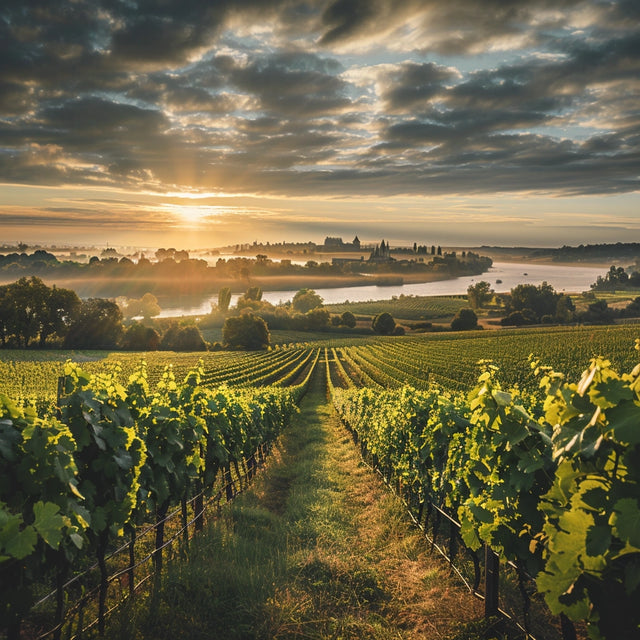
Sauvignon Blanc, a white grape of significant character, is believed to have originated in the Loire Valley of France, where it continues to produce some of the world’s most iconic and expressive examples. This variety has also found success in Bordeaux, where it is often blended with Sémillon, as well as in New Zealand, where it has become a signature grape, and many other regions across the globe. Known for its vibrant acidity and distinctive aromatic profile, Sauvignon Blanc often displays a pronounced greenness, with notes of fresh-cut grass, herbaceousness, and sometimes even a touch of jalapeño, depending on ripeness and region. These traits are often supported by citrus fruits like grapefruit and lime, leading to wines that are both refreshing and complex, ranging from steely and mineral-driven to more tropical and fruit-forward styles.