

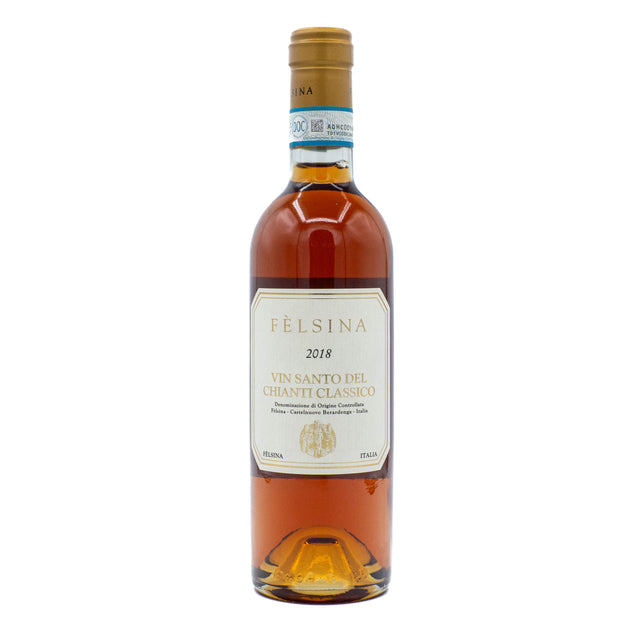
Felsina Vin Santo del Chianti Classico 2018
We have 4 in stock (Inventory is live and accurate)
Summer Shipping Advisory: Orders may be temporarily held during periods of extreme heat to ensure wine arrives in optimal condition.
View current shipping weather map →
The Land
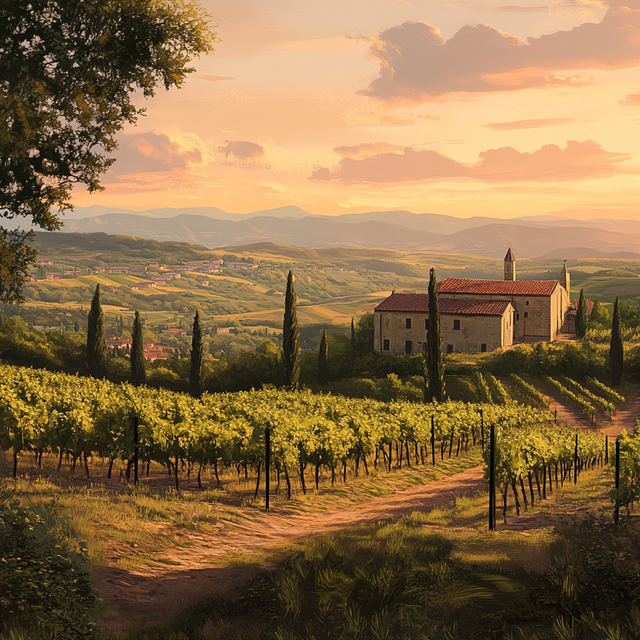
Fèlsina sits in Castelnuovo Berardenga, the southeastern corner of Chianti Classico, southeast of Siena and warmer and drier than the zone's cooler heart. The vineyards run along ventilated, southwest-facing slopes between 320 and 420 meters, on a mix of rocky quartz and calcareous alberese studded with alluvial pebbles up high, giving way to sandstone and loam lower down where the land edges toward the Colli Senesi. Fèlsina was the Etruscan name for this ground nearly three thousand years ago. For a Vin Santo, what matters most is that this is healthy, sun-facing fruit with the ripeness and acid balance to survive months of drying without falling apart.
The Wine
A traditional Vin Santo del Chianti Classico from Trebbiano, Malvasia, and a portion of Sangiovese, the last added to stamp Fèlsina's own signature on the wine. After harvest the whole bunches are laid out to dry on racks until December, sometimes into the new year, concentrating the sugars. The pressed must goes into sealed 100-liter oak caratelli along with the madre, the dense mother left from earlier vintages, and ages seven years in the vinsantaia under the roof, where summer heat and winter cold drive a slow oxidative transformation, followed by at least six months in bottle. The result is amber to mahogany and sweet but cut by firm acidity: dried apricot, fig, candied orange peel, walnut, caramel, and toffee, with a long, saline, almost savory finish. The 2018 was a cool, rainy Tuscan vintage that demanded strict bunch selection before drying. 375ml.
The People
Fèlsina was founded in 1966 by Domenico Poggiali, who found an old cellar cut into the tufa hills and set about making serious wine from a property that had mostly grown olives under sharecroppers. The estate expanded in 1981 with the purchase of Castello di Farnetella and became one of the standard-setters for Sangiovese in Chianti Classico, above all through single-vineyard bottlings like Rancia and the Fontalloro. It remains in family hands and is farmed with organic practices, though without formal certification. The Vin Santo is the estate's slow, patient counterpoint to its reds, made the old way and unhurried.
Food Pairing
Vin Santo has one classic partner: cantucci, the hard Tuscan almond biscotti made for dipping straight into the glass. Beyond that, pour it with a wedge of aged pecorino or a blue cheese like gorgonzola, with a slice of almond or orange cake, or simply with a bowl of walnuts and dried figs. The sweetness and cutting acidity also stand up to foie gras. Serve it in small pours, lightly chilled or at cellar temperature. The kind of bottle you keep on the counter for a spoonful of something sweet after dinner.
We ship wine to most states with a $100 minimum order for shipping. We don't ship spirits nor beer.
Weather shipping advisory: Orders placed during times of extreme heat or extreme cold will be held for no charge until more favorable weather returns.
Tuscany is one of Italy’s most iconic wine regions, anchored by historic regions like Chianti and Montalcino, where Sangiovese thrives in clay-limestone soils and varying elevations. Chianti Classico produces medium-bodied, savory reds, while Montalcino’s warmer, drier conditions give rise to the powerful and long-lived Brunello. Along the Tuscan coast, regions like Bolgheri emerged in the late 20th century with the rise of Super Tuscans—often blends of international varieties like Cabernet Sauvignon and Merlot grown in marine-influenced soils. While overwhelmingly known for red wines, Tuscany is also home to great classic whites grown in San Gimignano and modern whites often made with French grape varieties.