

Jean-Claude Bachelet Saint-Aubin 1er Cru Les Champlots 2023
We have 1 in stock (Inventory is live and accurate)
The Land
Saint-Aubin is one of the Côte de Beaune's best arguments for white Burgundy at a reasonable price: premier cru Chardonnay grown on serious soils, at a fraction of what Chassagne or Puligny commands. Les Champlots is one of the appellation's most distinguished white premier crus, and its defining characteristic is limestone. The soils here carry noticeably more limestone than the neighboring Charmois vineyard, which is iron and clay-dominant; that limestone gives Champlots more precision, a tighter mineral spine, and greater linear freshness. The vines are 60 to 70 years old — a rarity in Saint-Aubin — and that age concentrates what the limestone already has to say.
The Wine
100% Chardonnay, biodynamically farmed; 0.6 hectares of 60-70 year old vines. Native yeast fermentation in stainless steel, then 24 months of élevage in French oak barrels with less than 15% new wood. 30-45g/L sulfur added at bottling. The 2023 vintage was the first certified organic by ECOCERT at the domaine; whites came in at 13-13.5%. In a warmer year like 2023, the Bachelets crush the grapes to introduce a light bitterness that adds textural complexity and compensates for naturally lower acidity. The Champlots delivers lemon curd, white peach, and a waxy, textured mid-palate that the old vines contribute, with zippy acidity pulling through a clean, mineral finish. Precise, focused, and built to age gracefully for five to ten years from release.
The People
The Bachelet family has made wine from the hamlet of Gamay, just outside Saint-Aubin, since the early 17th century. Jean-Claude Bachelet, the patriarch who built the domaine's modern reputation, passed away in 2019. The estate is now run by his sons Benoît, whose first vintage here was 2000, and Jean-Baptiste, who joined in 2005. Together they oversee ten hectares split roughly evenly between red and white, with almost half the vines in Chassagne-Montrachet, 40% in Saint-Aubin, and the remainder in Puligny-Montrachet. Conversion to biodynamics began in 2012, and by 2016 all ten hectares were farmed biodynamically. The 2023 vintage marks the first Bachelet wines certified organic by ECOCERT. Fermentation is with indigenous yeasts; the whites age 24 months in barrel, primarily in 456-liter vessels, giving them two winters in the cellar before bottling. A new cellar completed in Gamay gives the brothers the space to work with the same precision they apply in the vineyard.
Food Pairing
Oysters on the half shell, grilled fish with lemon butter, a simple plate of langoustines, or fresh goat cheese on good bread. The limestone-driven minerality gives this wine a natural affinity for shellfish and clean, bright-acid preparations. It's also the kind of wine that disappears quickly at a dinner party — precise, mineral, and effortlessly drinkable.
We ship wine to most states with a $100 minimum order for shipping. We don't ship spirits nor beer.
Weather shipping advisory: Orders placed during times of extreme heat or extreme cold will be held for no charge until more favorable weather returns.
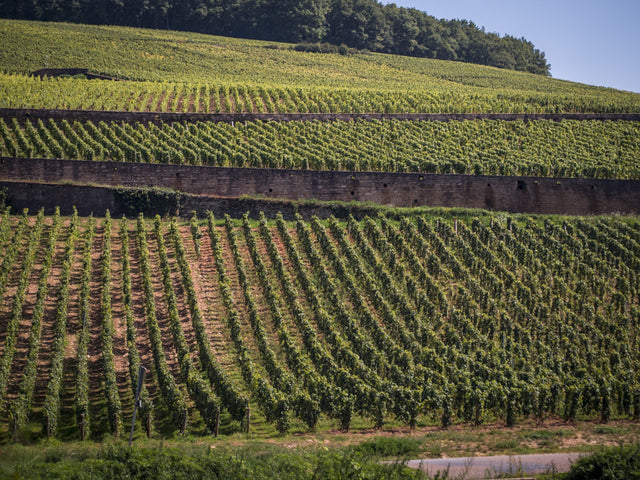
Burgundy, in eastern France, encompasses several subregions, but it is the Côte d'Or that is home to many of the world's most expensive and revered wines. The region, primarily a single east-facing slope, has mixed limestone soils that vary dramatically from village to village and even vineyard to vineyard. White wines, crafted from Chardonnay, range from rich and opulent to lean and intensely mineral, while Pinot Noir produces silky, perfumed red wines of exceptional finesse and complexity. Centuries of winemaking tradition have resulted in every plot being meticulously recognized and scrutinized, making the Côte d'Or a true capital of terroir.
Burgundy - Cote d'Or

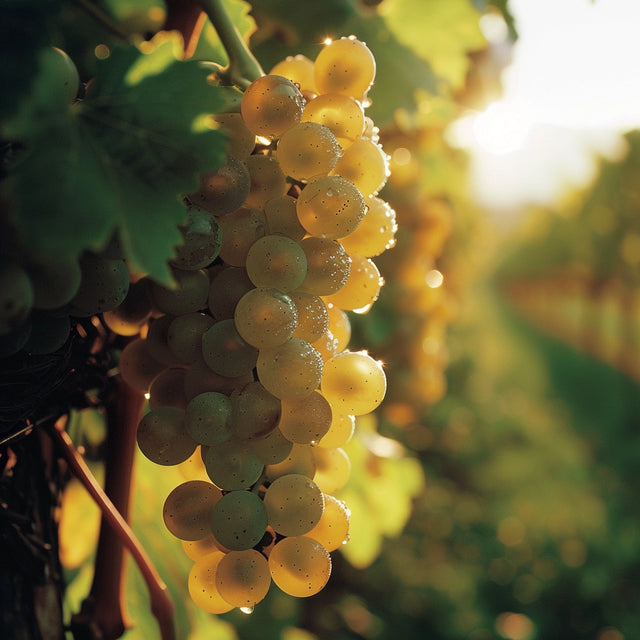
Chardonnay, one of the world's most versatile and beloved white grape varieties, showcases a remarkable spectrum of styles, from the lean, mineral-driven expressions of Chablis in France to the rich, buttery, and oak-aged versions from California's Napa Valley. Its adaptability extends to cooler climates such as Burgundy, where it achieves elegance and complexity, and to regions like Australia's Yarra Valley, known for producing vibrant and fruit-forward renditions. This grape's ability to reflect its terroir, coupled with winemaking techniques, results in a wide array of profiles, including unoaked, crisp varieties with apple and citrus notes, to full-bodied wines with tropical fruit flavors and creamy textures.
Chardonnay
Certified Organic farming is an agricultural practice where vineyards adhere to strict regulations prohibiting the use of synthetic pesticides, herbicides, fungicides, and fertilizers. Instead, certified organic growers rely on natural alternatives, including compost, cover crops, and beneficial insects, to nourish the soil and manage pests. Certification requires compliance with established organic standards, typically verified by third-party agencies such as USDA Organic in the United States or EU Organic in Europe. This method emphasizes ecological balance, biodiversity, and sustainability, aiming to produce high-quality grapes and wines while reducing environmental impact and promoting long-term vineyard health. Organic farming is not allowed to use Glyphosate.