

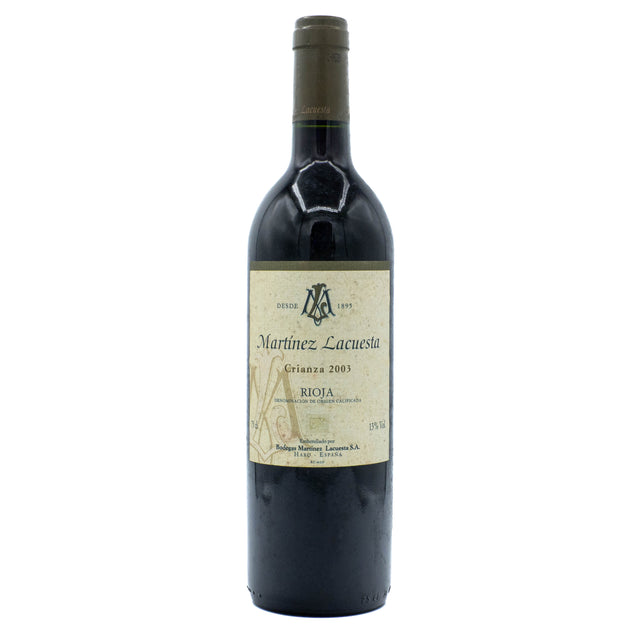
Martinez Lacuesta Rioja Crianza 2003
We have 0 in stock (Inventory is live and accurate)
Summer Shipping Advisory: Orders may be temporarily held during periods of extreme heat to ensure wine arrives in optimal condition.
View current shipping weather map →
The Land
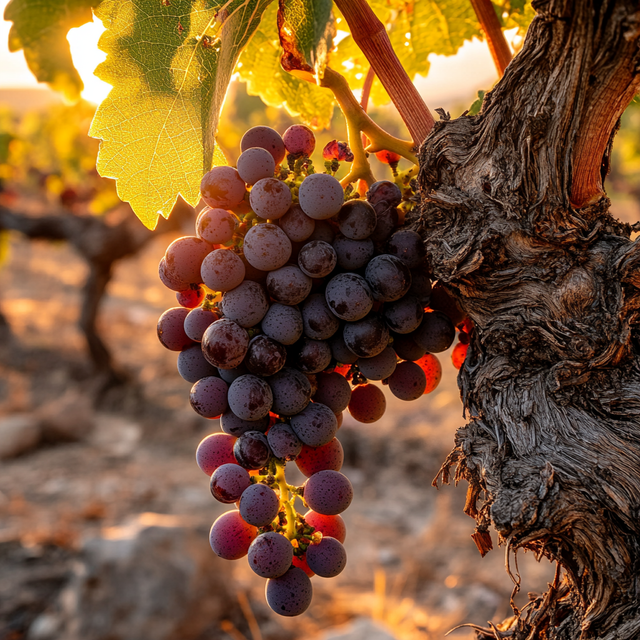
Bodegas Martínez Lacuesta sits in Haro, the historic wine capital of Rioja Alta, in the cool northwestern corner of the region where the river Ebro bends and the climate turns continental. This is the highest, coolest, most Atlantic-influenced part of Rioja, and it is what gives the wines of Haro their freshness and their ability to age. The house draws Tempranillo and its traditional partners from vineyards on the right bank of the Ebro within about 20 kilometers of town, sitting between roughly 450 and 600 meters of altitude. Limestone and clay soils, high elevation, and wide day-to-night temperature swings keep acidity firm even in warm years.
The Wine
A traditional Rioja Alta Crianza, Tempranillo-based and aged in American oak in the old Haro style, now released with more than two decades of bottle age. What is striking about the 2003 is how fresh it still tastes. Rather than tiring, it has turned herbal and savory, closer to a bowl of tzatziki than to anything fruit-driven: cool cucumber, fresh dill, and a tangy, yogurt-like lift, over the tobacco, dried red fruit, and sweet baking spice you expect from mature Rioja. 2003 was one of the hottest summers on record in Spain, a vintage that produced ripe, early-drinking wines, which makes this bottle's persistent freshness all the more unusual. The tannins are fully resolved and the finish is long and soft. A mature wine, drinking now.
The People
Bodegas Martínez Lacuesta was founded in 1895 by Félix Martínez Lacuesta, a lawyer from Haro who started with a small operation on Vega Street and was soon joined by his brothers. The house became one of Haro's benchmark producers; Félix served as the first president of the regional winemakers' association, and the bodega counted the Spanish Royal Household among its customers. It remains family-owned today, run across its fourth and fifth generations, and still works in the traditional Rioja mold: predominantly American oak, extended barrel aging, and manual racking. Mature library releases like this one are part of what a house with well over a century of cellar history can offer.
Food Pairing
Lean into the wine's savory, herbal side. Roast lamb with rosemary and garlic, grilled lamb chops with a cucumber and yogurt sauce, chicken souvlaki with tzatziki, or a plate of jamón and aged Manchego all meet it well. The mature, resolved structure and lingering freshness make it a natural with roasted and grilled meats, and its herbal edge is a straight bridge to Mediterranean and Greek cooking. Decant briefly and serve at cool room temperature.
We ship wine to most states with a $100 minimum order for shipping. We don't ship spirits nor beer.
Weather shipping advisory: Orders placed during times of extreme heat or extreme cold will be held for no charge until more favorable weather returns.
Rioja, Spain's iconic wine region nestled in the north-central part of the country, is defined by its diverse landscape and Tempranillo-based wines. The region is divided into three distinct subregions: Rioja Alta, Rioja Alavesa, and Rioja Oriental (formerly Rioja Baja), each contributing unique characteristics based on altitude, soil composition, and climate. While Tempranillo dominates, other important grapes include Garnacha, Graciano, and Mazuelo for reds, and Viura (Macabeo) for whites. Rioja's modern winemaking style was significantly shaped by the phylloxera epidemic of the late 19th century, which devastated vineyards across Europe. As French winemakers sought refuge and new sources of wine, they brought their techniques to Rioja, introducing oak aging and influencing the development of the region's distinctive, internationally recognized style.
Spain - Rioja

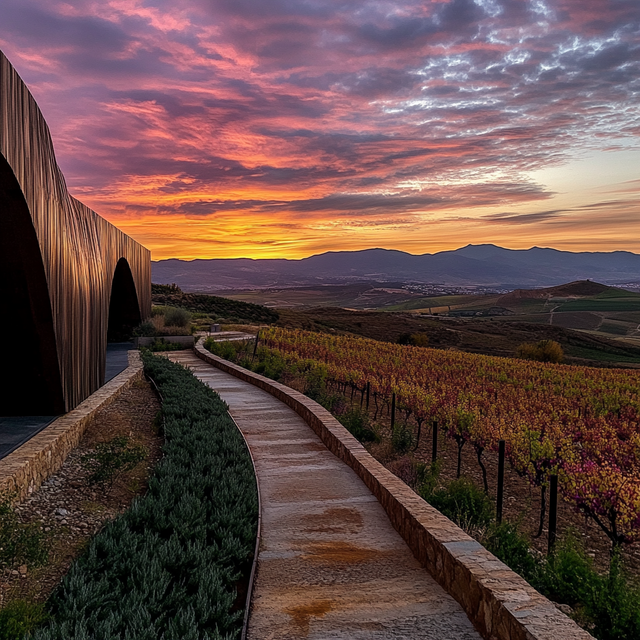
Tempranillo, Spain's most celebrated red grape, takes its name from the Spanish word "temprano," meaning "early," a reference to the variety's tendency to ripen earlier than other Spanish grapes. This versatility allows it to thrive across a range of climates and soil types. Though primarily associated with Spain, where it forms the backbone of Rioja, Ribera del Duero, and other prominent regions, Tempranillo also has a significant presence in Portugal. Here, it's known under various synonyms, including Tinta Roriz, Aragonez, and Tinto Fino, playing a crucial role in the production of both red and rosé wines. Its ability to produce wines with moderate acidity, balanced tannins, and complex flavors of red fruit, leather, and tobacco make it a favorite among winemakers and wine drinkers alike.