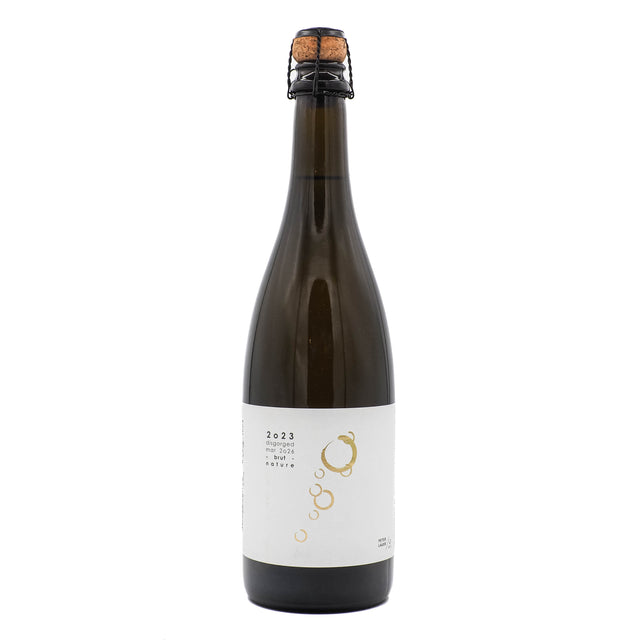
Peter Lauer Riesling Sekt 2023
We have 2 in stock (Inventory is live and accurate)
Summer Shipping Advisory: Orders may be temporarily held during periods of extreme heat to ensure wine arrives in optimal condition.
View current shipping weather map →
The Land
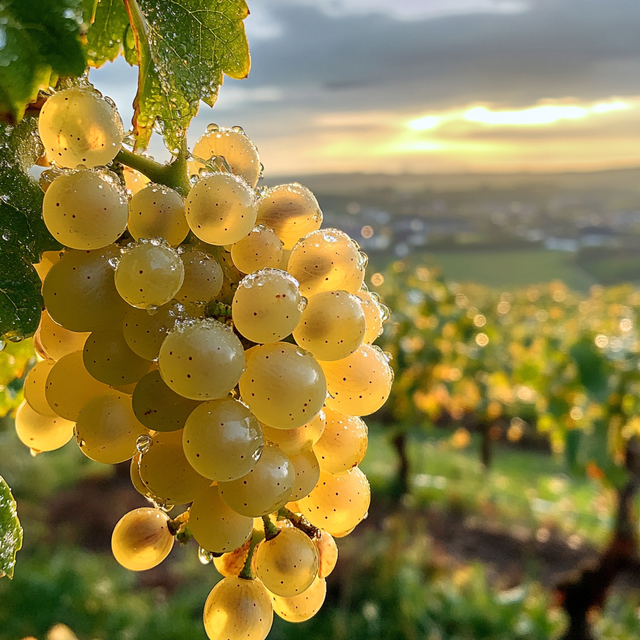
The Saar is a tributary of the Mosel and historically the coldest place in Germany where anyone seriously tried to ripen Riesling. In cool years the grapes barely made it, which is precisely why the region turned out to be built for sparkling wine: high natural acidity and low potential alcohol are liabilities for a still wine and assets for a Sekt. The village of Ayl sits below the Ayler Kupp, a steep amphitheater of blue Devonian slate that stores the day's heat and radiates it back at the vines through cold nights. Slate also drains almost completely, forcing roots deep and giving the wines their characteristic smoky, stony bite. Some of the vines on this hillside are approaching a century old and are still ungrafted in places.
The Wine
100% Riesling from the Ayler Kupp, picked deliberately early to hold acidity, hand-harvested and pressed immediately as whole clusters. The must settles overnight by gravity rather than filtration, and the clear juice goes into traditional Fuder casks the following day to ferment spontaneously with native yeast. Second fermentation and aging happen in bottle by the traditional method, in the estate's deep multi-level cellars. What comes out is not a fruit-forward sparkling wine: green apple, lime peel, white flowers, wet slate, and a distinctly smoky, flinty note, with fine persistent bubbles, cutting acidity, and a bone-dry finish. Riesling Sekt made this way tastes closer to grower Champagne than to most German sparkling wine, and it has the same capacity to age.
The People
The Lauer family has been making wine in Ayl since 1830. Florian Lauer took over from his father Peter in 2005 and runs roughly ten hectares, nearly all of it on the steep slate of the Ayler Kupp. The estate labels its wines by cask number rather than by conventional Prädikat categories, a system inherited from the family's old cellar book that has become its signature. Spontaneous fermentation, old oak Fuder, and minimal handling run through everything. The Sekt program in particular has moved from a sideline to one of the reference points for German sparkling wine.
Food Pairing
Bone-dry and high acid, so it works where richer sparkling wine fails. Oysters or a shellfish platter, schnitzel with lemon, fried chicken, or a plate of cured ham and aged Gouda. It also handles Thai and Vietnamese food better than almost any other sparkling wine, since the acidity survives chili and lime. Serve it cold and use a real wine glass; the aromatics need room.
We ship wine to most states with a $100 minimum order for shipping. We don't ship spirits nor beer.
Weather shipping advisory: Orders placed during times of extreme heat or extreme cold will be held for no charge until more favorable weather returns.
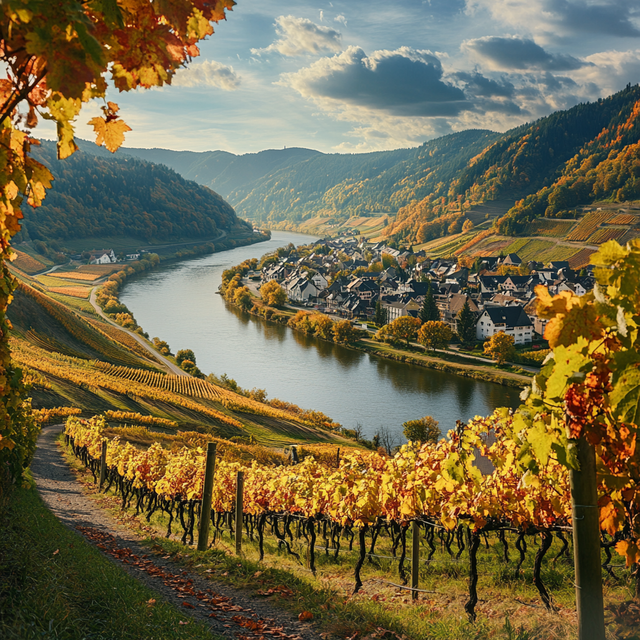
The Mosel, a stunning river valley in Germany, is a region synonymous with Riesling. The area's steep, slate slopes create a unique terroir that imparts a distinct minerality and high acidity to the wines. Mosel Rieslings range from bone dry to intensely sweet, showcasing the grape's versatility and the region's incredible potential for producing complex, age-worthy wines. The wines of the Mosel are known for their aromatic complexity and their incredibly graceful nature, and are a benchmark for all Riesling made throughout the world.
Germany - Mosel

Riesling is a truly noble grape, known for its incredibly high acidity and a flavor profile that can range from bone dry to lusciously sweet. Germany is its heartland, and it's responsible for some of the world's most age-worthy examples, but Riesling also thrives in Austria, where it usually is dry. In Alsace, it takes on a slightly richer texture, while in parts of Australia, like the Clare and Eden Valleys, it displays a uniquely powerful and lime-tinged aromatic profile. This is a grape that has no problem showcasing its origins, and it's a fantastic example of how one variety can show many different expressions, each with its own unique appeal.