

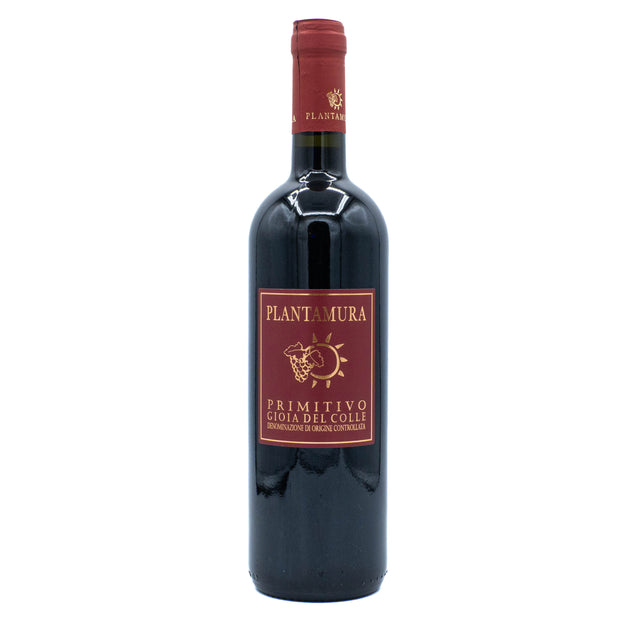
Plantamura Red Label Primitivo "Parco Largo" 2023
We have 7 in stock (Inventory is live and accurate)
Summer Shipping Advisory: Orders may be temporarily held during periods of extreme heat to ensure wine arrives in optimal condition.
View current shipping weather map →
The Land
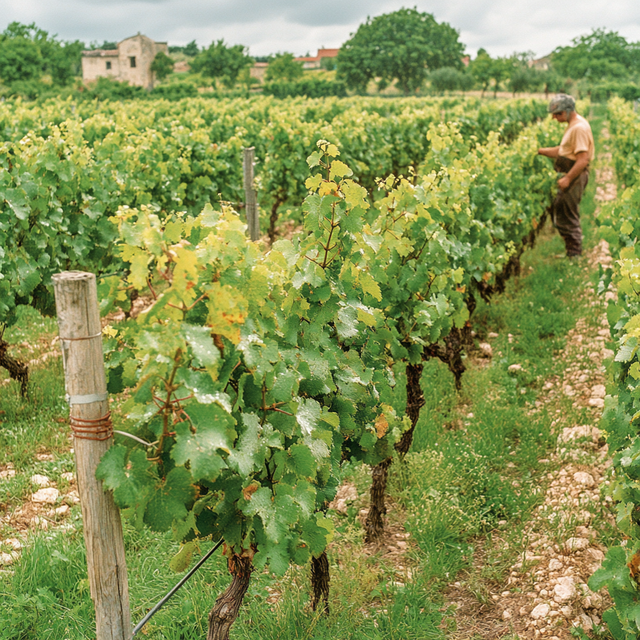
Most people's mental image of Puglia and Primitivo involves flat, sun-scorched plains and heavy, high-alcohol wine. Gioia del Colle is the exception. This subzone sits on the Murgia, a karst limestone plateau 300 to 480 meters above sea level in the interior of Puglia, where thin red ferrous topsoils over limestone bedrock and diurnal temperature swings of up to 20°C through the summer produce Primitivo with fresh acidity, mineral grip, and real restraint. The Parco Largo vineyard borders a nature reserve — the name means "large park" — with chalky soils rich in marine fossils. This is Primitivo grown for precision rather than power.
The Wine
100% Primitivo from the Parco Largo block, Plantamura's younger-vine parcel. Short maceration of 7 to 10 days, aged approximately six months in stainless steel before bottling. No oak, no heavy extraction — the goal is clean, fresh, place-specific Primitivo. The result is dark cherry, dried blueberry, dried herbs, and dusty earth, with medium tannins and a brightness that runs counter to most preconceptions about southern Italian red wine. The elevated site and limestone soils do the work that most Puglia producers try to accomplish in the cellar.
The People
Mariangela Plantamura's family has been growing Primitivo in Gioia del Colle for more than a century. She and her husband Vincenzo began bottling their own wine in 2002, farming organically across the estate. Gioia del Colle was long overshadowed by the more famous Primitivo di Manduria zone to the south, but producers like Plantamura — focused on elevation, limestone soils, and fresh, unencumbered winemaking — have changed the conversation around what the grape can do at altitude in this part of Italy.
Food Pairing
Orecchiette with braised lamb ragù and pecorino, grilled pork ribs with rosemary and fennel, aged cacioricotta with fig jam, or a simple braise of pork and sweet peppers. Serve slightly cool. A red from the heel of Italy that drinks more like the north than anyone expects.
We ship wine to most states with a $100 minimum order for shipping. We don't ship spirits nor beer.
Weather shipping advisory: Orders placed during times of extreme heat or extreme cold will be held for no charge until more favorable weather returns.
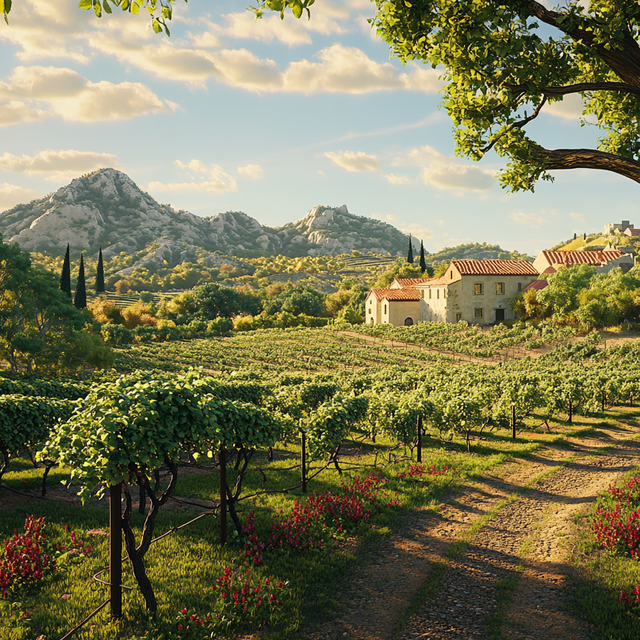
Italy – South encompasses the sun-drenched regions of Campania, Puglia, Calabria, Basilicata, and Molise, where ancient vines thrive in volcanic soils, limestone hills, and coastal plains. Campania’s volcanic slopes around Vesuvius yield complex wines from Aglianico, Fiano, and Greco, while Basilicata’s high-altitude vineyards on Mount Vulture produce bold, age-worthy Aglianico del Vulture. Puglia stretches across fertile flatlands and limestone ridges, known for robust reds from Primitivo and Negroamaro. Calabria and Molise, though lesser-known, preserve a wealth of native varieties grown in rugged, mountainous terrain. Intense sun, varied altitudes, and ancient soils give Southern Italy’s wines their deep character, concentration, and sense of place.
Italy - Southern Italy

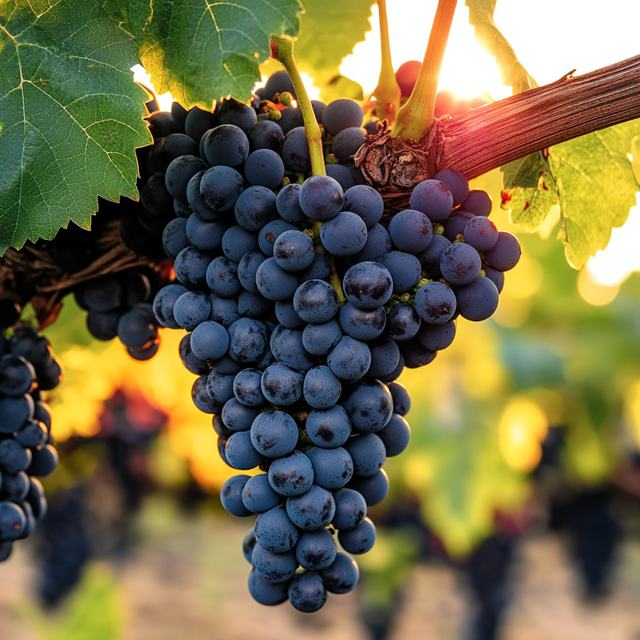
Zinfandel, a red grape variety with a somewhat mysterious past, is most closely associated with California, where it has become a flagship grape. Genetically equivalent to Italy's Primitivo and Croatia's Crljenak Kaštelanski (and Tribidrag), Zinfandel's journey to California likely occurred in the mid-19th century. The grape thrives in California's warm climate, producing wines that range from sweet rosés (often labeled "White Zinfandel") to bold, full-bodied reds with flavors of blackberry, raspberry, and peach yogurt, often accompanied by higher alcohol levels. Zinfandel's ability to reflect its terroir, along with its versatility in winemaking, has made it a beloved and iconic grape in the American wine landscape.
Zinfandel
Practicing Organic vineyard farming involves growing grapes using organic methods—avoiding synthetic fertilizers, herbicides, pesticides, and fungicides—but without formal certification. Wineries adopting this approach prioritize environmental health, soil vitality, and biodiversity, using natural practices such as composting, cover cropping, and manual pest control. Many small wineries opt for practicing organic methods rather than pursuing official organic certification, primarily due to the significant cost, paperwork, and time commitment involved in certification processes. As a result, practicing organic is a popular choice among boutique and artisanal producers who remain committed to sustainable agriculture while managing budgetary constraints.