

Radikon Jakot 2020 1L
We have 1 in stock (Inventory is live and accurate)
We ship wine to most states with a $100 minimum order for shipping. We don't ship spirits nor beer.
Weather shipping advisory: Orders placed during times of extreme heat or extreme cold will be held for no charge until more favorable weather returns.
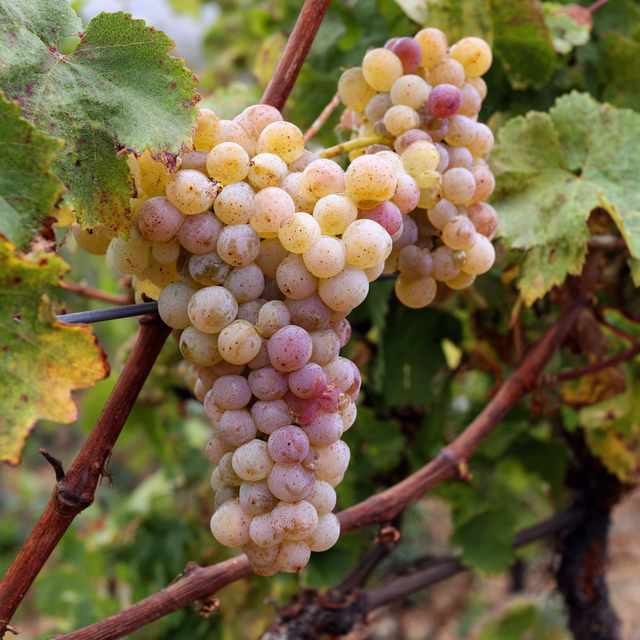
Friulano is a native white grape of northeastern Italy, especially tied to Friuli-Venezia Giulia, where it’s been grown for centuries under various names. Once called Tocai Friulano, it was renamed after a legal dispute with Hungary over Tokaji. The grape thrives in the region’s marl and sandstone soils, producing wines with notes of almond, pear, and fresh herbs, often with a gentle, bitter finish. Depending on site and winemaking, Friulano can range from crisp and lean to broader, more full-bodied styles with texture and depth.
Friulano

Practicing Organic vineyard farming involves growing grapes using organic methods—avoiding synthetic fertilizers, herbicides, pesticides, and fungicides—but without formal certification. Wineries adopting this approach prioritize environmental health, soil vitality, and biodiversity, using natural practices such as composting, cover cropping, and manual pest control. Many small wineries opt for practicing organic methods rather than pursuing official organic certification, primarily due to the significant cost, paperwork, and time commitment involved in certification processes. As a result, practicing organic is a popular choice among boutique and artisanal producers who remain committed to sustainable agriculture while managing budgetary constraints.