

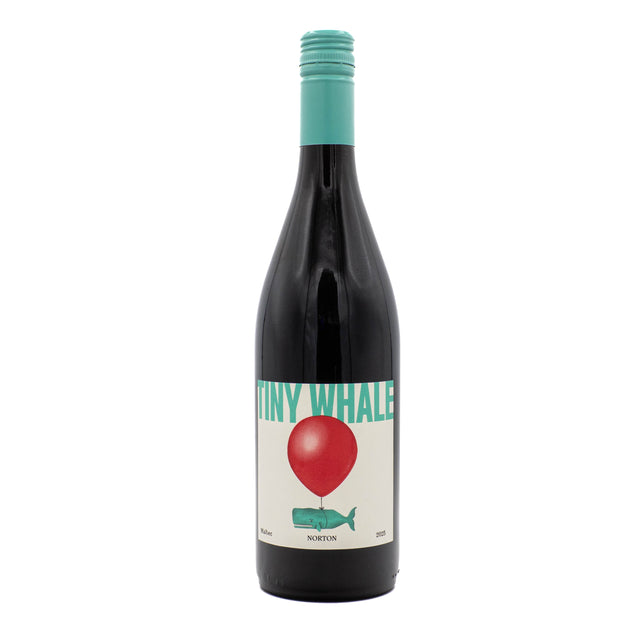
Tiny Whale Malbec 2025
We have 12 in stock (Inventory is live and accurate)
The Land
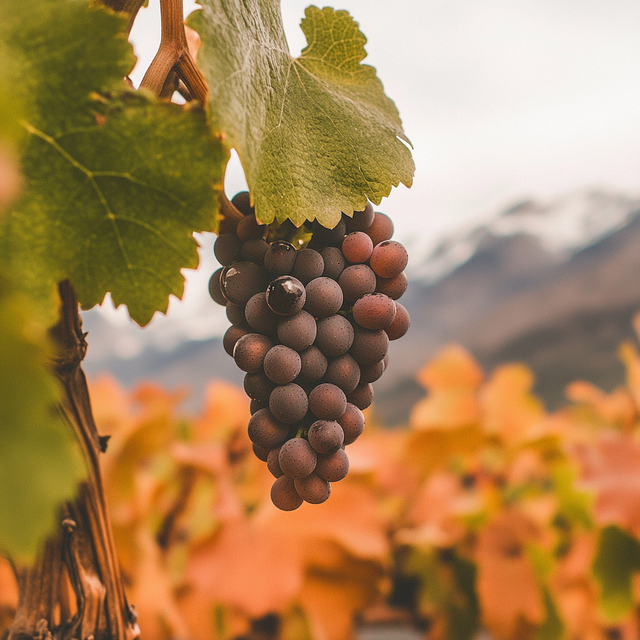
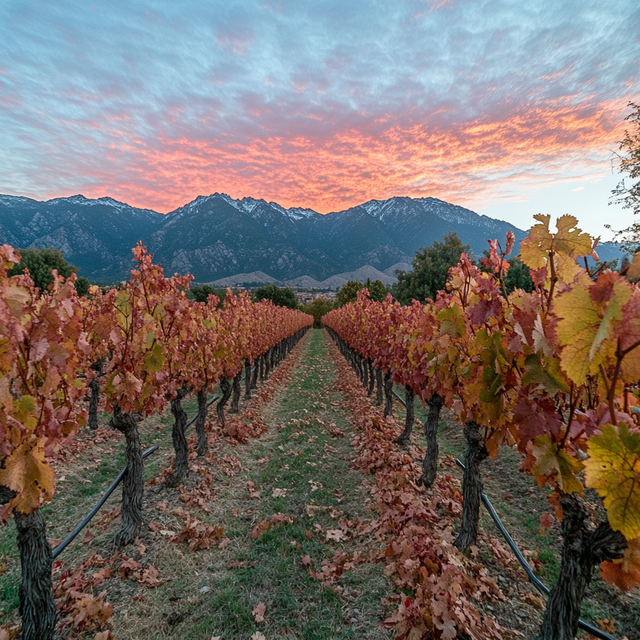
Mendoza is a desert. It takes roughly 200 millimeters of rain a year, less than Phoenix, and nothing would grow in it without the Andes. What makes viticulture possible is snowmelt: the Mendoza River carries it down out of the cordillera into a network of acequias, gravity-fed irrigation channels first laid out by the Huarpe long before the Spanish arrived, and growers still open and close those channels by hand. Luján de Cuyo is the historic core of the system, the first ground planted south of the Mendoza River, with vineyards averaging around 1,000 meters and running from 825 up to 1,080. Altitude is what keeps the fruit from cooking. Intense high-desert sun ripens the skins while cold Andean nights hold acidity, and that diurnal swing is the whole reason Malbec found a second home here after failing to thrive in Cahors.
The Wine
Malbec, from a region that has spent a century learning to grow nothing else so well. This is built as an everyday bottle and it behaves like one, in the best sense: deep violet-purple, ripe plum and black cherry, the floral violet lift that Luján de Cuyo Malbec throws almost reliably, and soft, rounded tannins that never get in the way. The finish is short and fruit-driven rather than savory. Nobody published vinification specifics for the 2025 — fermentation vessel, oak regime and élevage are undocumented, and the fruit character suggests little to no new wood. Drink it cool for a red, 60 degrees, straight from the bottle, this year and next. A wine at this price that gets the fruit clean and the tannin polished is doing exactly the job it was designed to do, and doing it cheaply enough to open on a Tuesday.
The People
Tiny Whale is a value label from Bodega Norton, and Norton's history is the real story. Edmund James Palmer Norton was an English engineer who came to Argentina in the 1890s to help build the railway across the Andes, stayed for Mendoza, and in 1895 bought a vineyard in Perdriel, Luján de Cuyo, planted with vine material brought from France. By 1910 he was bottling at origin, a first in Argentina, and selling the wine in the dining cars of the trains he had helped build. Norton exported the first Argentine Malbec to the United States in 1973. The Austrian Langes-Swarovski family bought the winery in 1989 and preserved its cellar, which still holds bottles going back to 1936.
Food Pairing
Grilled skirt steak with chimichurri is the obvious answer and also the correct one: the herb and garlic bite cuts the ripe fruit, and soft tannins handle the char. Beef empanadas with cumin and green olive work on the same logic in smaller bites. A smash burger with sharp cheddar has enough fat to meet the wine head-on. For a meatless night, eggplant roasted until collapsing, with tomato and smoked paprika. This is the bottle you keep two of on the counter for whenever dinner turns out to be better than expected.
We ship wine to most states with a $100 minimum order for shipping. We don't ship spirits nor beer.
Weather shipping advisory: Orders placed during times of extreme heat or extreme cold will be held for no charge until more favorable weather returns.
Mendoza is Argentina’s largest and most celebrated wine region, tucked into the foothills of the Andes in the country’s west. Sun-drenched days, cool mountain nights, and mineral-rich soils create ideal conditions for robust yet balanced wines. Although Malbec is the star here—yielding lush dark fruit and refined tannins—varietals like Cabernet Sauvignon, Chardonnay, and Torrontés also thrive. With each sub-region (from Luján de Cuyo to the Uco Valley) bringing its own distinct personality, Mendoza offers a vibrant tapestry of high-altitude vineyards that continue to elevate Argentine wine on the global stage.
Argentina - Mendoza

Malbec may have originated in France—where it features in Bordeaux blends, thrives in Cahors, and even appears in parts of the Loire Valley—but it’s become synonymous with Argentinian wine culture. This grape typically delivers concentrated dark fruit flavors like blackberry and black plum, accented by a subtle peppery spice and delicate violet aromas. French Malbec tends to be more structured, while its Argentine counterpart emphasizes plush tannins and robust fruit. Across both Old World and New, Malbec captivates with its velvety depth and distinctive charm.