

![Lanson Champagne Brut Rosé [Back Vintage]](http://denverwinemerchant.com/cdn/shop/files/P7210728.jpg?v=1784681078&width=640)
Lanson Champagne Brut Rosé [Back Vintage]
We have 5 in stock (Inventory is live and accurate)
The Land
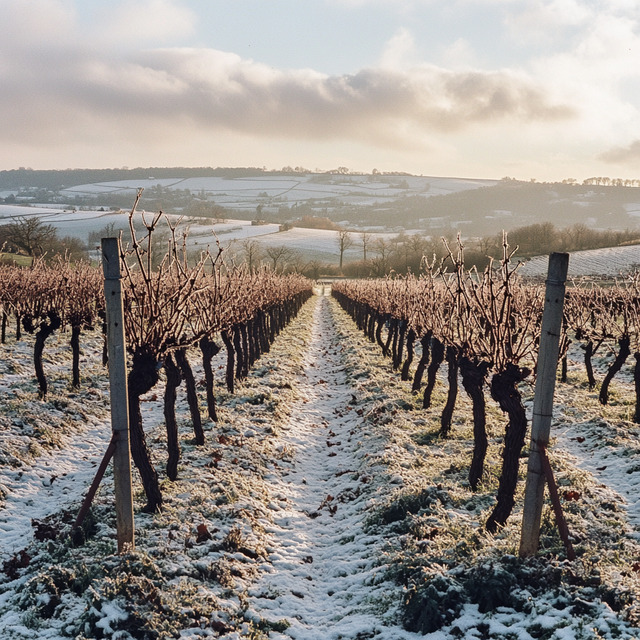
Champagne is a cold place growing grapes at the northern edge of where grapes work, on a seabed. The subsoil is Belemnite chalk, the compacted remains of marine life, and it does two jobs at once: it holds water through dry spells and drains it away in wet ones, while reflecting light back into a canopy that never gets enough. Lanson is a Reims house, blending across villages rather than farming a single slope, which is what the non-vintage format is for. The color and the fruit in a Lanson rose have traditionally come from still red wine made in Bouzy, a south-facing grand cru village on the Montagne de Reims where Pinot Noir ripens more fully than almost anywhere else in the region. Bouzy rouge is the most sought-after red in Champagne for exactly this purpose.
The Wine
Start with what is not on the label. There is no vintage here and no disgorgement date we can read, so treat this as an aged non-vintage release of unknown exact age. That is why bottles like this are priced the way they are. What makes it worth the gamble is a technical decision. Lanson built its house style on blocking malolactic fermentation. The sharp malic acid in the base wine is never converted to softer lactic acid, so the wine goes into bottle with more acidity than its neighbors and holds it for decades. Acid is the skeleton that keeps an old Champagne standing, and the single best predictor of whether a bottle like this survived. This is a rose by red wine addition, not saignee: finished white base blended with a small percentage of Bouzy rouge, the method that gives Champagne rose precision rather than grip. With age, the pink drifts toward salmon, then copper and onion skin, and the strawberry and cherry of youth become dried strawberry, blood orange, walnut, and orange marmalade. The texture turns weightier and more vinous. Chill it to about 50 degrees, not colder, and pour it into a white wine glass. Expect variation bottle to bottle, as with anything stored this long by hands other than ours.
The People
Lanson was founded in Reims in 1760 by Francois Delamotte, making it one of the oldest houses in Champagne, and it adopted the Maltese cross in 1798, still on every bottle. Its identity has always been the non-malolactic approach, paired with lees aging well past the legal minimum. The house now holds non-vintage cuvees for around four years against a legal requirement of fifteen months.
Food Pairing
Aged rose Champagne is a food wine. Jambon persille, the Burgundian parsley-set ham, meets the acidity and the savory turn the wine has taken. Seared scallops with brown butter suit the weight it has gained. A plate of duck rillettes with cornichons and toast handles the dried-fruit character. Langres, the washed-rind cheese from Champagne's own doorstep, is the local answer and the best one. Pour this at the start of dinner and keep the bottle on the table, because it will not be finished with the first course.
We ship wine to most states with a $100 minimum order for shipping. We don't ship spirits nor beer.
Weather shipping advisory: Orders placed during times of extreme heat or extreme cold will be held for no charge until more favorable weather returns.
Champagne is the northernmost major wine region in France, defined by its cool climate, chalky soils, and centuries-old tradition of sparkling wine production. Centered around the towns of Reims and Épernay, the region is divided into key subzones like the Montagne de Reims, Vallée de la Marne, and Côte des Blancs, each favoring different grapes—Pinot Noir, Meunier, and Chardonnay respectively. The region’s signature chalk and limestone soils provide excellent drainage and impart a distinctive mineral character to the wines. While méthode champenoise was refined here in the 17th century, Champagne’s global prestige grew through the 19th and 20th centuries, cementing its role as the benchmark for sparkling wine worldwide.