Skip to content
Welcome to Colorado's best wine shop!

Domaine Jean-Louis Chave Hermitage Rouge 2021

$380.00

We have 1 in stock (Inventory is live and accurate)

The Land

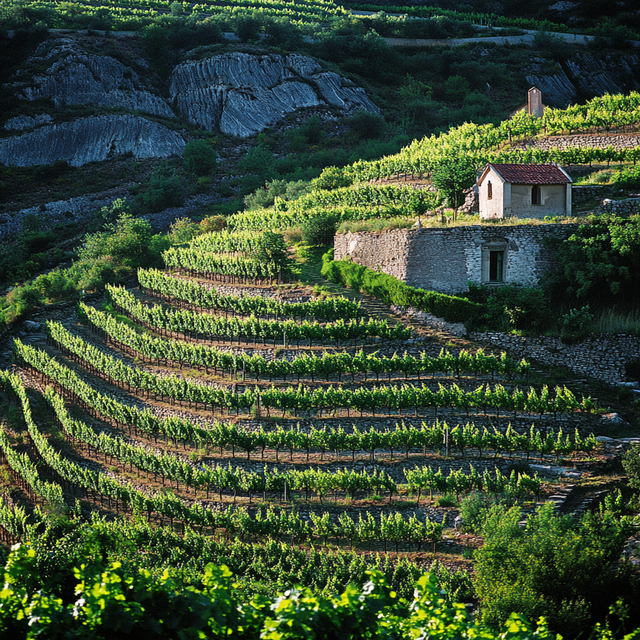
Most top Hermitage is now bottled by single lieu-dit. Chave goes the other way and always has: the family holds that the hill is best told as one wine, assembled from its parts. Hermitage is a single south-facing hill above Tain-l'Hermitage on the left bank of the Rhône, and its soils change sharply over a few hundred meters. Les Bessards, on the western end, is granite and gives the wine its frame and tannin. Le Méal, on terraces of stony alluvial deposits, adds warmth and dark fruit. L'Hermite, up by the chapel at the top of the hill, brings lift and perfume, and Péléat contributes silky red fruit. The Hermitage Rouge is where they meet.

The Wine

Domaine Jean-Louis Chave Hermitage Rouge 2021 is 100 percent Syrah, partially destemmed and fermented parcel by parcel in open wood vats and concrete. Each lot ages separately in casks of varying size for up to 18 months, with little new wood, before the blend is made; the 2021 was bottled unfiltered in September 2023. The vintage was hard: frost on 7 to 9 April, the first to hit northern Rhône vines in four decades, then a wet early summer with heavy mildew pressure and a harvest rushed between September storms. Chave cropped at 37 hl/ha, and the wine finished at 13.5 percent alcohol. Expect tension rather than weight: red and black cherry, raspberry, orange rind, crushed violet, dried herbs, cedar and pencil shavings, with ripe, fine tannin and a fresh, clear finish. Think 2014 more than 2019.

The People

The Chave family has grown wine around Mauves, across the river in Saint-Joseph, since 1481, which puts it among the oldest wine families in France. Gérard Chave built the domaine's modern reputation, and his son Jean-Louis came home in 1992 after studying at UC Davis and took over gradually. Most of his changes happened outside the cellar: more people on the hill, more money spent on the steepest parcels, and a long project replanting abandoned Saint-Joseph terraces that took 14 years. Chave is consistently among the last growers on Hermitage to pick. The cellar philosophy is patient and conservative: keep every parcel separate, taste each one, and decide the blend only at the end. Jean-Louis runs the domaine today with his wife, Erin Cannon-Chave.

Food Pairing

Roast leg of lamb studded with garlic, anchovy and rosemary, cooked pink, where the fine tannin and herbal side of the wine meet the rosemary and the fat. Venison loin with crushed juniper and a reduced red wine jus, to pick up the dark cherry and cedar. Beef cheeks braised slowly in Syrah with carrots and thyme over soft polenta; the acidity of this cooler vintage keeps the dish from going heavy. Or roast chicken with morels and cream, which shows how much room the medium body of 2021 gives you. Decant two hours ahead if you open one now. This vintage drinks earlier than most Chave and will still keep twenty years: one bottle for tonight, one for a birthday a decade out.

Select Title

We ship wine to most states with a $100 minimum order for shipping. We don't ship spirits nor beer.

Weather shipping advisory: Orders placed during times of extreme heat or extreme cold will be held for no charge until more favorable weather returns.

0 / 0
The Producer

Domaine Jean Louis Chave


The Terroir

Hermitage is one granite hill above Tain on the Rhône's left bank, named for Gaspard de Stérimberg, a knight who by legend came home wounded from the Albigensian Crusade in 1224 and lived there as a hermit. The chapel on the summit belongs to Jaboulet, not the Chaves. What the Chaves farm is about 9.3 hectares of Syrah and 4.3 of Marsanne and Roussanne in pieces across the slope, worked by hand or horse. The white comes mainly from Rocoules, Péléat, L'Hermite and Maison Blanche.

The cellars are not on the hill. They sit across the river in Mauves, inside Saint-Joseph, where the family is rebuilding slopes phylloxera emptied: terraces above Mauves, Lemps and Tournon cleared, walled and angled for a winch plow. On the flat at the edge of Mauves lies Clos Florentin, four walled hectares bought in 2009 and bottled alone since 2015. Jean-Louis says a vineyard needs 15 years to show its terroir, so young parcels go to the Sélection label first.

The line runs father to son from 1481, and it starts on the other bank, in the Ardèche village of Lemps, still the family's home ground. In 1865 the Chaves bought their first parcels on Hermitage. Phylloxera later wiped out the Saint-Joseph slopes; the family settled in Mauves, grew fruit, and left the Lemps terraces bare for about a century. Part of their Bessards holding came from a nobleman named Farconnet in the time of Jean-Louis's great-grandfather, and his name is now on the Sélection Hermitage.

The house rule is "the vineyard defines the wine, blending defines Hermitage," hence one domaine red and one white from the hill, with Cathelin only in rare years. Gérard's version: "consistency in quality, but not uniformity in style." Mauves holds three cellars: the old one under Gérard's house, where the Hermitage is made; a plainer building for the Sélection wines; and the former Florentin estate. Jean-Louis sees his Hermitage job as protecting a site already defined. The Saint-Joseph rebuilding is for the next generation, including his son, Louis.

Domaine Jean-Louis Chave

From the family's own vines on the hill of Hermitage and the slopes of Saint-Joseph.

  • Hermitage Rouge Syrah from parcels across the hill, among them Bessards, Méal, L'Hermite and Péléat. Each is fermented and aged on its own, and the blend is decided only at the end. This is the family's case for Hermitage as one wine rather than a set of single-vineyard bottlings.
  • Hermitage Blanc Mostly Marsanne with some Roussanne. Weighty, slow to open, and built for the cellar; give a young bottle a long decant or ten years.
  • Hermitage Cuvée Cathelin A separate red Hermitage first made in 1990 and bottled only in a handful of vintages since, when Jean-Louis judges the year can carry it.
  • Saint-Joseph Syrah from the family's home slopes around Mauves, many of them terraces Jean-Louis replanted after a century of abandonment following phylloxera.
  • Saint-Joseph Clos Florentin A walled four-hectare vineyard at the southern edge of Mauves, on decomposed granite washed down from the escarpments above. A previous owner farmed it for decades without chemical sprays or fertilizer; the Chaves now bottle it on its own.

J.L. Chave Sélection

Jean-Louis started the Sélection label in 1995, at first with grapes bought from Saint-Joseph growers he knew well. As the family's replanted vineyards came into production, more and more of the fruit has come from Chave's own vines, and Offerus and the Hermitage bottlings now come entirely from them. Same cellar and the same hands as the domaine wines, made to drink earlier and priced well below them.

  • Hermitage Farconnet Red Hermitage from Diognières, Péléat and Greffieux, fermented in tonneaux and steel and aged 18 to 24 months in barrel. Named for the Farconnet family, from whom the Chaves acquired part of their Bessards holding.
  • Hermitage Blanche Mostly Marsanne with Roussanne from Péléat, Maison Blanche and L'Hermite, fermented and aged 18 to 24 months in barriques.
  • Saint-Joseph Offerus The first Sélection wine, in 1995. Syrah, now drawn from the family's own vineyards in the southern communes of Saint-Joseph.
  • Saint-Joseph Blanc Circa Roussanne from the granite slopes of Mauves, first made in 2009.
  • Crozes-Hermitage Silène Syrah from granite hillside parcels in Larnage and Gervans, part of it from estate vines planted in the early 2000s, aged 15 to 18 months in large casks.
  • Crozes-Hermitage Blanc Sybèle Marsanne and Roussanne from Larnage, where decomposed granite leaves a white, kaolin-rich clay. Native-yeast fermentation, then 15 to 18 months in used oak.
  • Côtes-du-Rhône Mon Coeur Grenache and Syrah from older vines in the southern Rhône hill villages around Vinsobres, fermented parcel by parcel and aged in large casks. The weeknight Chave.

Shop all Domaine Jean Louis Chave (11)

The Rhône Valley is a diverse and historic wine region, divided into two distinct areas. The Northern Rhône is the birthplace of Syrah, with steep, terraced vineyards that produce some of the world's most revered wines, such as those from Hermitage and Côte-Rôtie. The Southern Rhône is much more expansive, offering a wider range of styles, but typically based around Grenache-based blends, with wines from Châteauneuf-du-Pape known for their complexity and power. While the region is celebrated for its reds, it also produces incredible textured whites, and as a whole the region displays the spectrum of French wine and the incredible differences that can come from small geographic changes.

Rhone Valley


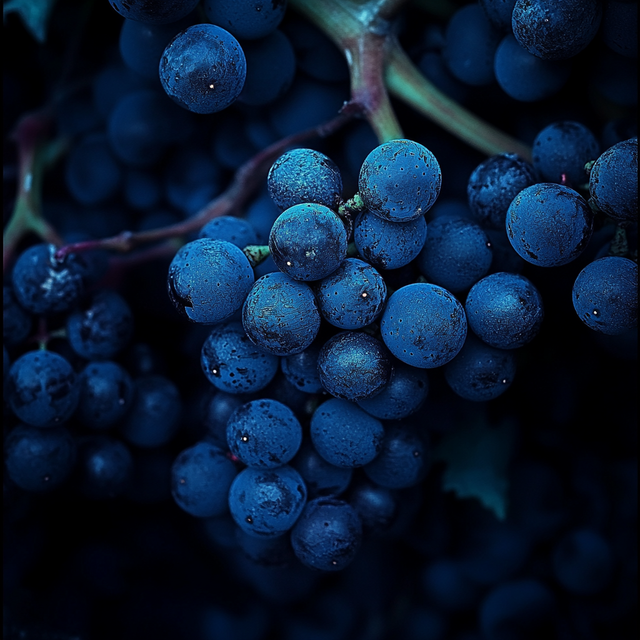
Syrah is a dark-skinned grape of French origin, specifically from the Northern Rhône Valley, where it produces some of the world's most powerful and complex wines. Known as Shiraz in Australia, Syrah is capable of displaying a wide range of aromas and flavors. Cool climate Syrahs tend to express floral notes like violets, along with savory elements like olives, while those grown in warmer climates like Australia are more likely to show black pepper and dark fruit notes such as plum. The grape's versatility allows it to adapt to various climates and soil types, but it maintains its unique characteristics no matter where it is planted.
Syrah