Skip to content
Welcome to Colorado's best wine shop!

Domaine Rougeot Meursault Sous la Velle Sans Soufre 2023

$158.00

We have 6 in stock (Inventory is live and accurate)

The Land

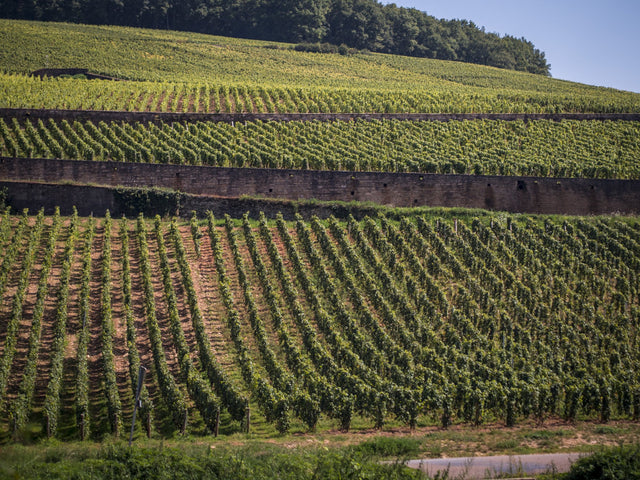
"Sous la Velle" means "under the village." The climat sits at the foot of the Meursault hill, directly opposite the Chateau de Meursault, below the Premier Cru vineyards that line the middle of the slope. At this lower position, the soils shift: less limestone, more clay, richer and heavier than the hillside plots above. The 2.5-hectare vineyard is planted with vines over 55 years old, and those deep-rooted, clay-grown vines produce wine with noticeably more weight and texture than Meursault's upper-slope expressions. This is not a tight, mineral Meursault built for a decade of waiting; it's broader, rounder, and more voluptuous from the start, which is exactly what the terroir here delivers.

The Wine

100% Chardonnay, biodynamically farmed. Hand-harvested, direct pneumatic press of whole bunches untrimmed, cold settled for two days. Native yeast fermentation and malolactic fermentation in barrel, followed by 20 months of élevage in oak without batonnage. Bottled unfined and unfiltered with zero added sulfur: this is a slanted-label Rougeot, Pierre-Henri's designation for cuvées stable and alive enough to go without protection through the full aging process. The 2023 vintage was warm and ripe — the largest in Burgundy's recorded history — and the clay-rich soils of Sous la Velle moderated the vintage's intensity. The result is generous stone fruit and ripe pear, a lanolin-tinted texture, and a long savory finish. Twenty months in barrel without SO2 is a committed choice; the complexity it adds is audible in every sip.

The People

Pierre-Henri Rougeot is the eighth generation of winemakers in Meursault and among the most thoughtful practitioners in the Côte de Beaune today. His story runs through barrels before it runs through bottles: he spent years in his twenties as an export manager for a tonnellerie, selling oak across France and befriending natural winemakers in the Loire, Languedoc, and Beaujolais who persuaded him that sulfur-free winemaking, done with proper farming and care, produces wines of genuine complexity. He returned to the family domaine in 2010, took over the cellar, and has since built a reputation for Meursault that doesn't conform to the overworked, over-oaked mold. His father still manages the vineyards; certified organic since 2014, biodynamic practices followed. The slanted label on this bottle means Pierre-Henri tasted these barrels through eight or nine months of élevage and found nothing that needed protection. That kind of confidence is earned.

Food Pairing

Meursault at the Sous la Velle level, with 20 months of barrel aging and no added sulfur, deserves a serious plate. Grilled lobster with drawn butter, chicken in cream sauce with morel mushrooms, sole meunière, or sweetbreads in a hazelnut brown butter. The wine's generosity and textural depth let it carry dishes that would overwhelm a leaner white. This is Meursault built for the table, not the tasting room.

Select Title

We ship wine to most states with a $100 minimum order for shipping. We don't ship spirits nor beer.

Weather shipping advisory: Orders placed during times of extreme heat or extreme cold will be held for no charge until more favorable weather returns.

0 / 0
The Producer

Domaine Rougeot


The Terroir

Close to half of what the Rougeots bottle is regional Bourgogne, and much of it grows inside the Meursault boundary. The domaine farms about 12.5 hectares, roughly 9.5 of them in Meursault, and the house itself stands on a former Hospices de Beaune orchard where the 0.26-hectare Clos des Six Ouvrées now grows chardonnay in the middle of the village. Les Vaux sits on chalk practically behind the Coche-Dury cuverie, Les Lameroses on clay and marl in the north of the commune facing Volnay, and Les Grandes Gouttes on limestone near the Puligny border, below Charmes.

Sous la Velle, the largest bottling, covers about 2 hectares in several plots of 45- to 65-year-old vines, part water-holding clay, part limestone. Charmes comes from two small parcels at the bottom of the premier cru. Outside Meursault there are Volnay-Santenots, Pommard, Monthélie and Saint-Romain's Combe Bazin at 450 meters. Organic work began in 2012, Ecocert conversion in March 2017, with 2020 the first certified-organic vintage; Demeter biodynamic certification followed in 2023.

Pierre-Henri Rougeot is allergic to liquid sulfur, and that is why this old Meursault family now bottles much of its wine with none. After a year at Domaine de Montille and a stint selling barrels for a cooperage, he took over the cellar in 2010. When we visited in November 2025 he was soft-spoken and intuitive, a hands-off winemaker who lets each barrel decide. On the same trip, the owner of L'Épisode, a great restaurant in Meursault, told Steven he looked like Pierre-Henri. Every wine starts without sulfur. Barrels that hold steady through two winters go out under the diagonal white-and-green label with no sulfur added at all; a barrel that demands a little gets a small dose and the classic label with the château drawing, still very low in sulfur.

His father, Marc, took over in 1974, never used herbicide, and still tends the vines. In 2016 frost took 90 percent of the crop, and they quit supermarket sales anyway. Since 2017 Pierre-Henri has also run a micro-négoce under his own name, buying only organic or biodynamic fruit.

  • Bourgogne Rouge Les Lameroses Pinot noir from 1.5 hectares of clay and marl in northern Meursault, a short walk from the Santenots premier crus. Fermented with a large share of whole clusters and aged about 15 months in barrel with 10 percent new oak, it is pretty and soft, with moderate tannin and no visible oak or extraction, Volnay-style fruit at a regional price.
  • Meursault Sous la Velle Chardonnay from about 2 hectares of 45- to 65-year-old vines on clay and limestone below the village. Crushed before pressing, fermented for about a month in barrel and aged without bâtonnage, then bottled both under the classic label and as a Sans Soufre version from barrels that needed no sulfur at all. Rich, round and opulent, it is the white we reach for first.
  • Bourgogne Blanc La Monatine Chardonnay from a parcel next to Sous la Velle, labeled Bourgogne Côte d'Or and made both sulfured and as a Sans Soufre bottling. Barrel-aged without lees stirring, unfined and unfiltered, it is fairly rich and round for a Bourgogne blanc and the most direct way into the house style.
  • Bourgogne Rouge Les Vaux Pinot noir from chalk soils practically behind the Coche-Dury cuverie in Meursault, bottled Sans Soufre. Brighter and more limestone-driven than Lameroses.
  • Bourgogne Passetoutgrain Les Vercheres Pinot noir and gamay picked and fermented together with whole clusters and aged in demi-muids. The domaine's red for the table, not the cellar.
  • Bourgogne Aligote Les Plumes Aligoté from 65-year-old vines just across the RN74 in Meursault, Demeter-farmed and bottled in May with no added sulfur. Also bottled in magnum.
  • Bourgogne Blanc Les Grandes Gouttes Chardonnay from limestone near the Puligny-Montrachet border, below Meursault-Charmes, bottled Sans Soufre. Leaner and higher-toned than La Monatine.
  • Monthelie Blanc Les Toisieres Chardonnay from a steep, west-facing Monthélie slope originally planted to pinot noir and later replanted to white. Prone to water stress in dry years, it shows the cooler, sharper side of the range.
  • Saint-Romain Combe Bazin Chardonnay from vines planted around 1920 at 450 meters, made in a classic, lightly sulfured version that ages eight to ten years and in a sulfur-free version. The altitude keeps it taut.
  • Meursault 1er Cru Charmes Chardonnay from two small parcels of roughly 60-year-old vines at the bottom of Charmes, aged with about 20 percent new oak. Built to need four to five years; a few barrels are bottled without added sulfur.
  • Volnay 1er Cru Santenots Pinot noir from 0.85 hectare in Santenots Dessous, planted in Meursault but labeled Volnay because it is red, next to Hospices de Beaune parcels. Fermented with 70 to 100 percent whole clusters, macerated under 10 days with little punching down, and aged 18 to 20 months; soft and fine-grained rather than extracted.
  • Clos des Six Ouvrées Bourgogne Blanc from a 0.26-hectare walled monopole in the middle of Meursault, the former Hospices de Beaune orchard behind the family house. Usually the last chardonnay they pick.
  • Pommard Clos des Roses Pinot noir from a family monopole in the Rue au Port lieu-dit on sandy, gravelly soil, bottled Sans Soufre.

Shop all Domaine Rougeot (3)

Burgundy, in eastern France, encompasses several subregions, but it is the Côte d'Or that is home to many of the world's most expensive and revered wines. The region, primarily a single east-facing slope, has mixed limestone soils that vary dramatically from village to village and even vineyard to vineyard. White wines, crafted from Chardonnay, range from rich and opulent to lean and intensely mineral, while Pinot Noir produces silky, perfumed red wines of exceptional finesse and complexity. Centuries of winemaking tradition have resulted in every plot being meticulously recognized and scrutinized, making the Côte d'Or a true capital of terroir.

Burgundy - Cote d'Or


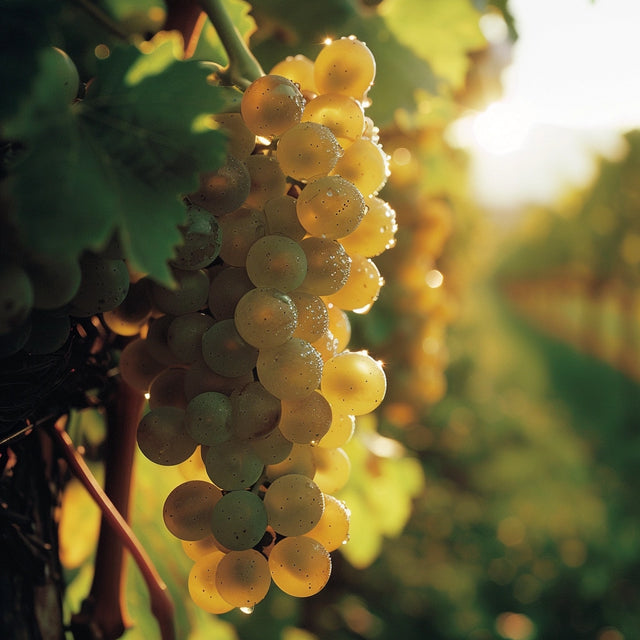
Chardonnay, one of the world's most versatile and beloved white grape varieties, showcases a remarkable spectrum of styles, from the lean, mineral-driven expressions of Chablis in France to the rich, buttery, and oak-aged versions from California's Napa Valley. Its adaptability extends to cooler climates such as Burgundy, where it achieves elegance and complexity, and to regions like Australia's Yarra Valley, known for producing vibrant and fruit-forward renditions. This grape's ability to reflect its terroir, coupled with winemaking techniques, results in a wide array of profiles, including unoaked, crisp varieties with apple and citrus notes, to full-bodied wines with tropical fruit flavors and creamy textures.
Chardonnay