

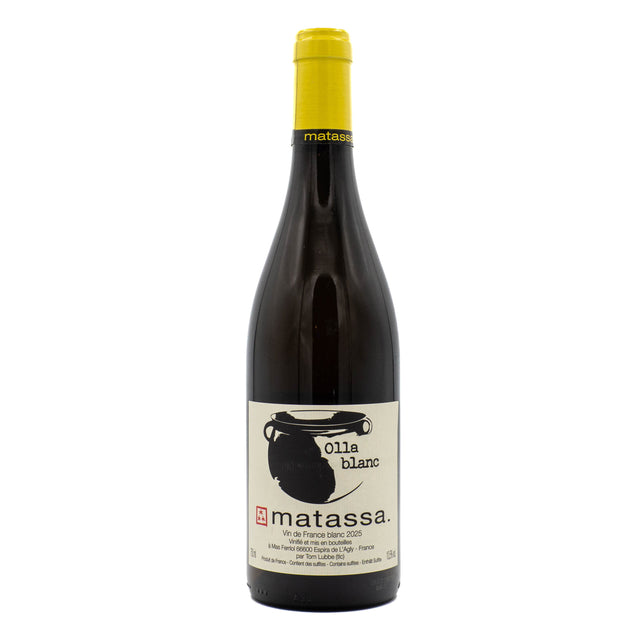
Matassa Coume de l'Olla Blanc 2025
We have 11 in stock (Inventory is live and accurate)
Summer Shipping Advisory: Orders may be temporarily held during periods of extreme heat to ensure wine arrives in optimal condition.
View current shipping weather map →
The Land
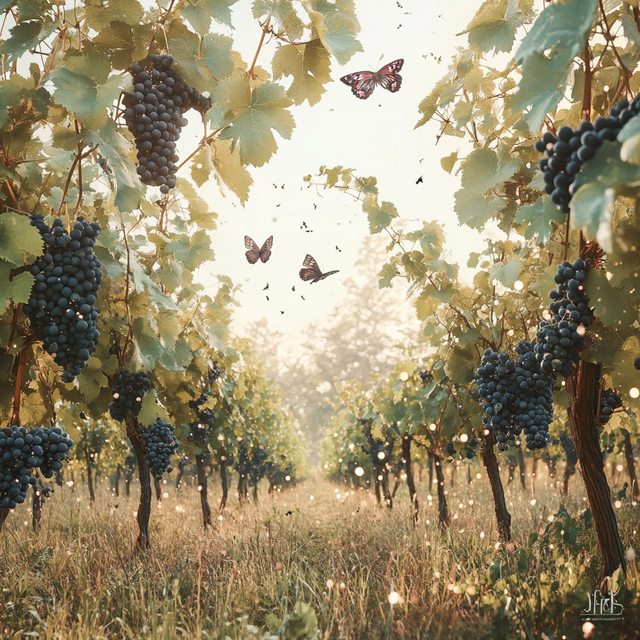
Roussillon has a reputation for heat and heavy wine, and Calce spends its life disproving it. The village sits inland and uphill from Perpignan in the Agly Valley, where the Tramontane blows down off the Pyrenees hard enough and often enough to shut the vines down, slow ripening, and keep sugars from running away. Coume de l'Olla is a single vineyard on clay and limestone, a lighter, cooler soil than the schist and black slate that make up most of the Matassa holdings, and it produces a white with more lift and less density than the estate's marl-grown parcels. The vines are roughly 45 years old. Skin-contact white from the Roussillon is usually a heavy proposition; this site is the argument for the opposite.
The Wine
A field blend of old-vine Macabeu, Muscat d'Alexandrie, and Muscat a Petits Grains, all from the Coume de l'Olla vineyard. Whole clusters macerate on skins for two weeks, and the wine ferments and ages entirely in concrete: no oak at any stage, no fining, no filtration, and no added sulfur. Two weeks of skin contact at this ripeness gives texture and a light tannic grip without pushing the wine into the tea-and-leather territory that longer macerations produce. Dried apricot, orange peel, wild fennel, chamomile, crushed stone, and a faint bitter almond edge on the close, with real salinity underneath. Drink it cool but not cold; too much chill flattens the aromatics that the Muscat is here to provide.
The People
Tom Lubbe was born in New Zealand, raised in South Africa, and came to Calce for an internship at Domaine Gauby. He met Nathalie Gauby, stayed, and founded Matassa in 2003. The first vintage was made in the couple's living room, a situation Gerard Gauby found so unacceptable that he handed Tom the old Gauby cellar the following year. The estate now covers 20 hectares across schist, marl, black slate, and black marl, farmed certified organic. Nothing has been added to any Matassa wine, sulfur included, since the 2015 vintage. Lubbe is a reference point for the low-intervention movement in southern France, but the wines hold up on structure, not on style.
Food Pairing
The skin tannin and salinity make this far more flexible at the table than a typical white. Try it with roast chicken shawarma with garlic sauce and pickled turnips, a plate of sardines on toast with lemon and parsley, chickpea and preserved lemon tagine, or a board of aged sheep's milk cheese and Marcona almonds. The grip cuts through fat and stands up to spice and vinegar in a way that a straightforward white would not, and the orange peel and fennel notes meet cumin, coriander, and sumac head-on.
We ship wine to most states with a $100 minimum order for shipping. We don't ship spirits nor beer.
Weather shipping advisory: Orders placed during times of extreme heat or extreme cold will be held for no charge until more favorable weather returns.
Muscat is not one grape but the oldest and most widespread family of wine grapes on earth, with over two hundred members grown from Portugal to Australia. The finest is Muscat Blanc à Petits Grains, responsible for Alsatian Muscat, the sweet Muscat de Beaumes-de-Venise, Italian Moscato d'Asti, and the wines of Samos. Muscat of Alexandria and Muscat Ottonel are its better-known relatives. What unites them is an unmistakable grapey perfume — one of the few varieties that genuinely smells like the fruit it comes from — alongside orange blossom, rose, and musk. It is made in every style imaginable, from bone dry and dusty to intensely sweet and fortified.
Muscat

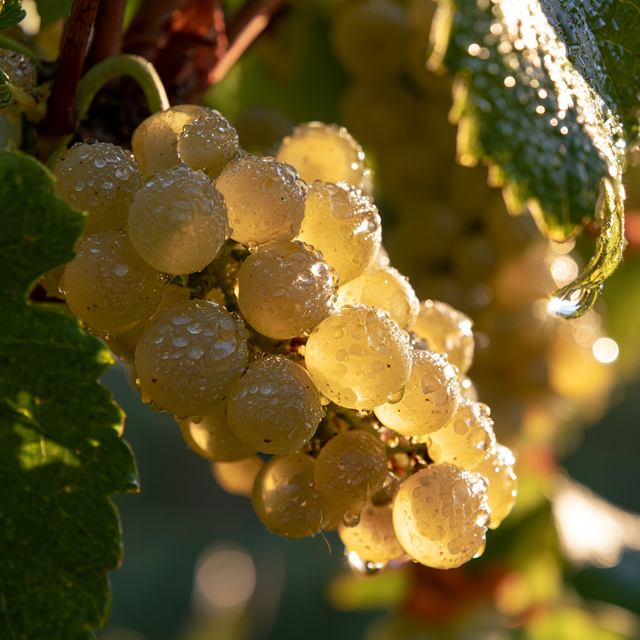
Certified Organic farming is an agricultural practice where vineyards adhere to strict regulations prohibiting the use of synthetic pesticides, herbicides, fungicides, and fertilizers. Instead, certified organic growers rely on natural alternatives, including compost, cover crops, and beneficial insects, to nourish the soil and manage pests. Certification requires compliance with established organic standards, typically verified by third-party agencies such as USDA Organic in the United States or EU Organic in Europe. This method emphasizes ecological balance, biodiversity, and sustainability, aiming to produce high-quality grapes and wines while reducing environmental impact and promoting long-term vineyard health. Organic farming is not allowed to use Glyphosate.