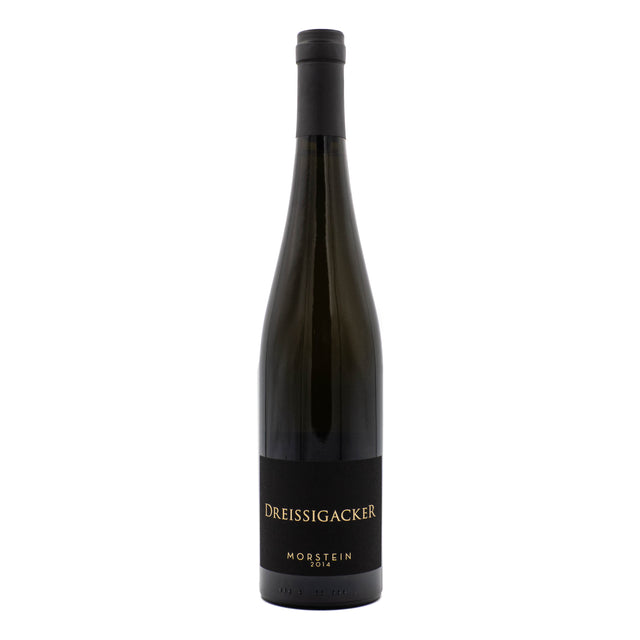
Dreissigacker Westhofener Morstein Riesling GG 2014
We have 1 in stock (Inventory is live and accurate)
The Land
Morstein is proof that great German Riesling does not require slate. This south-facing Westhofen slope rises to about 240 meters on a gradient near 20 percent, and its character comes from just under the surface: a thin layer of terra fusca, a heavy brown clay, over clay marl and massive limestone. The topsoil is shallow and full of limestone fragments, so it stores little water and roots have to push through rock to find it. That stress keeps crops modest and pushes the wine toward grip and mineral tension rather than fruit. The clay gives body; the limestone gives a finish that tightens instead of fading. This is as serious a dry Riesling site as Germany has, and Morstein Riesling from Rheinhessen is known for needing years to show it.
The Wine
Dreissigacker Westhofener Morstein Riesling 2014 is dry Riesling raised in steel tank and large wooden barrel, finishing at 13 percent alcohol. 2014 was a hard year in Rheinhessen. A warm, dry first half gave way to heavy rain mid-season and again in late summer, raising disease pressure while the cherry vinegar fly attacked ripening grapes. Many growers picked early and fast, and the best wines came from strict selection. Tasted across its first years in bottle, this wine moved from candied ginger and citrus zest toward passion fruit, pink grapefruit, and a creamy, honeyed texture; by 2018 it showed blossom, red apple, a balsamic edge, firm phenolic grip, and the first trace of petrol. That is the arc of aged dry Riesling: primary fruit recedes and savory, honeyed, petrol-tinged complexity takes over while acidity holds the frame. A decade in, expect dried citrus peel, honey, toasted nuts, and an earthy, almost mushroom-like depth.
The People
The 2014 Morstein comes from the middle of the estate's farming transformation. Jochen Dreissigacker converted his vineyards to organic farming in 2007, seven years before this vintage, and completed the move to biodynamics in 2019. The estate makes its own compost from green cuttings, cattle manure, grape pomace, and soil, and uses horn manure and horn silica preparations in place of mineral fertilizer. Species-rich cover crops grow between the rows and plant protection is held to the minimum needed. On a site like Morstein, where vines live on a thin skin of soil over rock, healthy soil life matters more than almost anywhere.
Food Pairing
Aged dry Riesling turns savory, and the food should follow. Roast duck breast with a plum glaze works because the acidity cuts the fat while the honeyed depth meets the fruit. Wild mushroom risotto finished with aged parmesan matches the wine's earthy evolution. Pan-seared halibut in brown butter with capers sets salinity and acid against richness. A washed-rind cheese like Taleggio stands up to the wine's petrol and grip. Save this bottle for the dinner where you want to sit with one wine for three hours.
We ship wine to most states with a $100 minimum order for shipping. We don't ship spirits nor beer.
Weather shipping advisory: Orders placed during times of extreme heat or extreme cold will be held for no charge until more favorable weather returns.
Rheinhessen, Germany's largest wine region by volume, is experiencing a quality revolution, led by producers like Weingut Keller. Once known for bulk wine, it's now gaining recognition for its dry Rieslings, particularly from the famed Roter Hang (Red Slope). This area, with its unique red clay and slate soils, is a source of intensely mineral and age-worthy wines. Rheinhessen, with its rolling hills and varied soils, also produces a diverse range of styles beyond the Roter Hang, often richer and broader than Mosel or Saar wines, while retaining vibrant acidity. The region is quickly establishing itself as a source of high-quality dry Riesling, showcasing a compelling and evolving side of German winemaking.
Germany - Rheinhessen

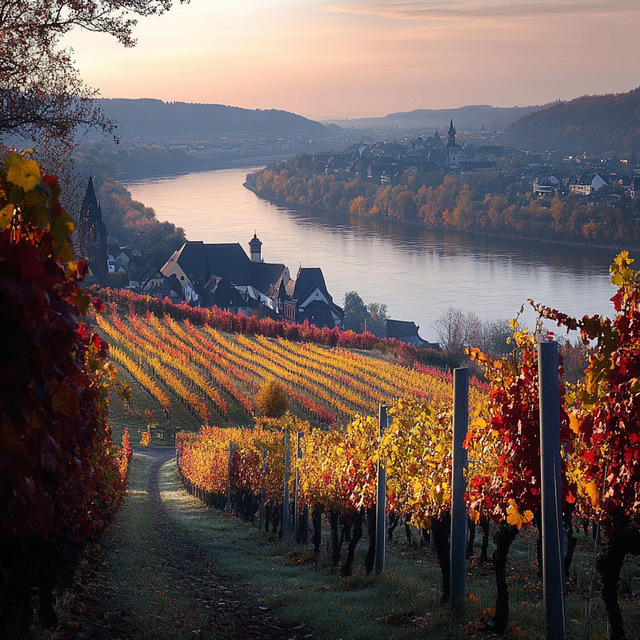
Riesling is a truly noble grape, known for its incredibly high acidity and a flavor profile that can range from bone dry to lusciously sweet. Germany is its heartland, and it's responsible for some of the world's most age-worthy examples, but Riesling also thrives in Austria, where it usually is dry. In Alsace, it takes on a slightly richer texture, while in parts of Australia, like the Clare and Eden Valleys, it displays a uniquely powerful and lime-tinged aromatic profile. This is a grape that has no problem showcasing its origins, and it's a fantastic example of how one variety can show many different expressions, each with its own unique appeal.