Skip to content
Welcome to Colorado's best wine shop!

Maison Gautheron d'Anost Bourgogne Hautes Côtes de Beaune 2024

$54.00

We have 2 in stock (Inventory is live and accurate)

The Land

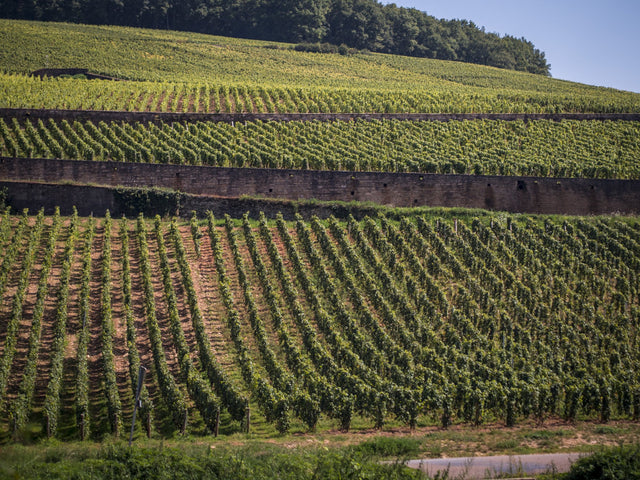
The Hautes Côtes de Beaune is the high country behind the famous slope: 29 villages spread through valleys cut into the limestone plateau west of and above the Côte de Beaune, running from 290 to 485 meters, which is 100 to 200 meters above Meursault or Volnay. Soils are Triassic sandstone and clay over Jurassic marl and limestone, and the appellation was created on 4 August 1961. For most of its existence that altitude was a liability and the grapes struggled to ripen. It is not a liability now. Laurent Delaunay has said the future of Burgundy may lie in the Hautes-Côtes, and the BIVB is running a program called Horizon Hautes-Côtes to map planting up to 450 meters specifically in anticipation of a warmer climate. Gautheron's fruit is two thirds bought from La Rochepot, above Saint-Aubin, and one third his own from Savigny-lès-Beaune.

The Wine

100% Chardonnay, 12.5%. Whites here are raised partly in 350-liter barrels rather than the standard 228-liter pièce, which keeps the oak well behind the fruit, on ambient yeast and with a short élevage. Sulfur is a small addition at the start of fermentation and then nothing until bottling. Honeysuckle, wax and honey over nectarine and apricot, a saline finish, and the altitude showing up as freshness rather than austerity. 2024 was a hard growing year everywhere in Burgundy, and the Hautes-Côtes caught the April frost along with Chablis and the southern Côte de Beaune, then 38 days of rain across May and June and sustained mildew pressure. August turned it around with more than 300 hours of sunshine. Chardonnay came through the vintage substantially better than Pinot Noir, and the whites are the reason 2024 is worth buying at all.

The People

Bastien Gautheron founded Maison Gautheron d'Anost in 2020, first generation, nothing inherited. Anost is a village in the Morvan, the wooded uplands west of the Côte d'Or, where his mother's family comes from. He started oenology at 15, trained at the Lycée Viticole de Beaune, and worked at Olivier Leflaive in Puligny-Montrachet until 2019. Roughly a fifth of what he makes comes off his own vines in Savigny-lès-Beaune and the Hautes Côtes de Beaune, certified organic since 2017; the rest is bought fruit from growers farming organically or effectively so, not all of it certified. Small 15-hectoliter tanks, ambient yeast, gentle extraction on the reds, low new oak, short élevage. He made about 12,000 bottles across 40 barrels in 2024 out of a converted warehouse in Dijon's Arsenal district, and he picks his appellations specifically to avoid the ones everyone else is chasing.

Food Pairing

This is the Chardonnay for the meals that do not warrant a Meursault. Salmon cured with dill and cucumber, cod in a beurre blanc, sushi if you are ordering in, or a leek and gruyère quiche. Young chalky chèvre works too. Serve at 11 degrees. Buying the Hautes-Côtes is a bet that the high ground behind the Côte d'Or matters a little more every year, and at this price it is barely a gamble.

Select Title

We ship wine to most states with a $100 minimum order for shipping. We don't ship spirits nor beer.

Weather shipping advisory: Orders placed during times of extreme heat or extreme cold will be held for no charge until more favorable weather returns.

0 / 0
The Producer

Maison Gautheron d'Anost


The Terroir

The most unusual address in this lineup is Dijon itself. The Bourgogne Dijon comes from Les Prés Chandois, a parcel planted in 2017 on Le Cras, an east-facing plateau of high-limestone soil above Lac Kir on the city's western edge. The Aligoté Le Bien Urbain comes from a plot just south in Marsannay that Bastien Gautheron is in the process of buying.

From there the sites run south through the Côte d'Or. The owned vines are in Savigny-lès-Beaune: Les Goudelettes, on a plateau above the village, planted in 1977, and Les Chevrières, which supplies the Hautes Côtes de Beaune blanc along with bought fruit from La Rochepot, above Saint-Aubin. Marsannay Au Quartier lies at the top of Champ Perdrix, one of the climats proposed for premier cru status. Pommard Les Vignots sits at the top of its slope at 330 meters. Ladoix Les Grechons shares the white marl of neighboring Corton-Charlemagne, and Bouzeron, in the Côte Chalonnaise, supplies the Aligoté.

Bastien Gautheron grew up in Dijon beside the last vines left in the city. In the 1800s Dijon was a town of about 60,000 ringed by some 3,000 hectares of vineyard; phylloxera and urban growth took all of it, and the last neighborhood winemaker died in 2014. Twenty-some growers have since replanted about 60 hectares, and a petition asks the INAO to recognize Bourgogne Dijon. Bastien is one of those making the case and already bottles under the name, from a winery at the head of the Route des Grands Crus where an old powder magazine he renovated holds his barrels.

He trained in Beaune and was commercial and marketing director at Olivier Leflaive before family vines came free; 2020 was his first vintage, and Anost is his mother's village in the Morvan. He owns vines in Savigny and Dijon and buys from grower friends who farm organically. Ferments run on ambient yeast, and new oak stays under 30 percent. DWM's 2024s, from a cool year, are crisp whites and lower-alcohol reds, the first of his wine in Colorado.

  • Bouzeron Aligoté from old vines in Bouzeron, the only village appellation for the grape. The source has shifted with hail, from Les Bouchines on the appellation's southern edge to neighboring Les Louères; after short skin contact it ages on its lees in 350-liter barrels, which add texture without oak flavor.
  • Bourgogne Aligoté Le Bien Urbain Aligoté from a Marsannay plot Bastien is buying, raised one-third in barrel and two-thirds in steel. The steel share keeps the citrus up front.
  • Bourgogne Hautes Côtes de Beaune Chardonnay from Bastien's own Les Chevrières parcel in Savigny, blended with bought fruit from La Rochepot above Saint-Aubin and aged 12 months in 228- and 350-liter barrels. The upland sites give a citrus-driven white with a salty finish.
  • Puligny-Montrachet 1er Cru La Garenne Chardonnay from La Garenne, a premier cru high on the Puligny slope below the hamlet of Blagny. It is the highest-ranked white in the range, raised like the others in a mix of 228- and 350-liter barrels with little new wood.
  • Bourgogne Dijon Blanc Chardonnay from Les Prés Chandois, planted in 2017 on the limestone plateau of Le Cras above Lac Kir, close to the cellar. 2023 was the first vintage under the Dijon name; young vines on chalky soil make it the leanest, most saline white here.
  • Marsannay Au Quartier Rouge Pinot Noir from the top of Champ Perdrix, partly destemmed (about 25 percent whole bunch in 2022), fermented in tank and aged 12 months in barrel with very little new oak. Concentrated and juicy, with dark berry fruit and supple tannin.
  • Savigny-lès-Beaune 1er Cru Les Lavières Rouge Pinot Noir from Les Lavières, a premier cru on the north side of Savigny toward Pernand-Vergelesses, named for the flat stones in its soil. It gets the house red treatment: short maceration, ambient yeast in small steel tanks, and barrels with under 30 percent new oak.
  • Pommard Les Vignots Rouge Pinot Noir from the top of the Pommard slope at 330 meters, where the village's usual weight gives way to a livelier, medium-bodied frame. Whole-bunch use swings with the vintage, from 100 percent in 2022 to 30 percent in 2023.
  • Savigny-lès-Beaune Les Goudelettes Pinot Noir from Bastien's own vines on a plateau above Savigny, planted in 1977 and the core of the domaine. Two punch-downs a day before fermentation, one pump-over a day after, and a mix of new and used barrels give a bright, transparent red with lively cherry fruit.
  • Ladoix 1er Cru Les Grechons Chardonnay from Les Grechons, on the same white marl as neighboring Corton-Charlemagne, aged in 228- and 350-liter barrels. Sun exposure ripens the fruit and the marl drives a mineral finish.
  • Gevrey-Chambertin Combes du Bas Pinot Noir from a small climat at the foot of the slope in the center of the village, partly destemmed and aged 12 months in barrel with very little new oak. Bright and floral young, it needs a few years for its structure to show.
  • Fixin Entre deux Velles Pinot Noir added to the range in 2023, when five barrels were made. Firmer and more reserved on the nose than the Gevrey, with crunchy red fruit.
  • Montagny Les Bassets Chardonnay from Les Bassets in Montagny, the southernmost village in the range.

Shop all Maison Gautheron d'Anost (6)

Burgundy, in eastern France, encompasses several subregions, but it is the Côte d'Or that is home to many of the world's most expensive and revered wines. The region, primarily a single east-facing slope, has mixed limestone soils that vary dramatically from village to village and even vineyard to vineyard. White wines, crafted from Chardonnay, range from rich and opulent to lean and intensely mineral, while Pinot Noir produces silky, perfumed red wines of exceptional finesse and complexity. Centuries of winemaking tradition have resulted in every plot being meticulously recognized and scrutinized, making the Côte d'Or a true capital of terroir.

Burgundy - Cote d'Or


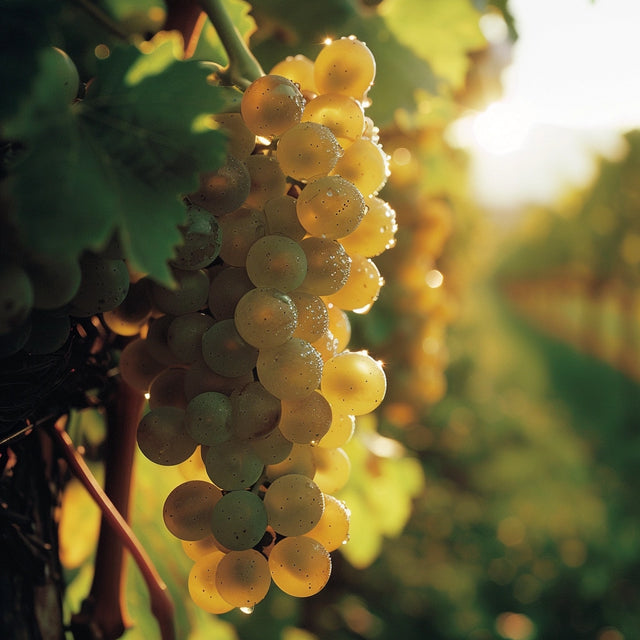
Chardonnay, one of the world's most versatile and beloved white grape varieties, showcases a remarkable spectrum of styles, from the lean, mineral-driven expressions of Chablis in France to the rich, buttery, and oak-aged versions from California's Napa Valley. Its adaptability extends to cooler climates such as Burgundy, where it achieves elegance and complexity, and to regions like Australia's Yarra Valley, known for producing vibrant and fruit-forward renditions. This grape's ability to reflect its terroir, coupled with winemaking techniques, results in a wide array of profiles, including unoaked, crisp varieties with apple and citrus notes, to full-bodied wines with tropical fruit flavors and creamy textures.
Chardonnay