

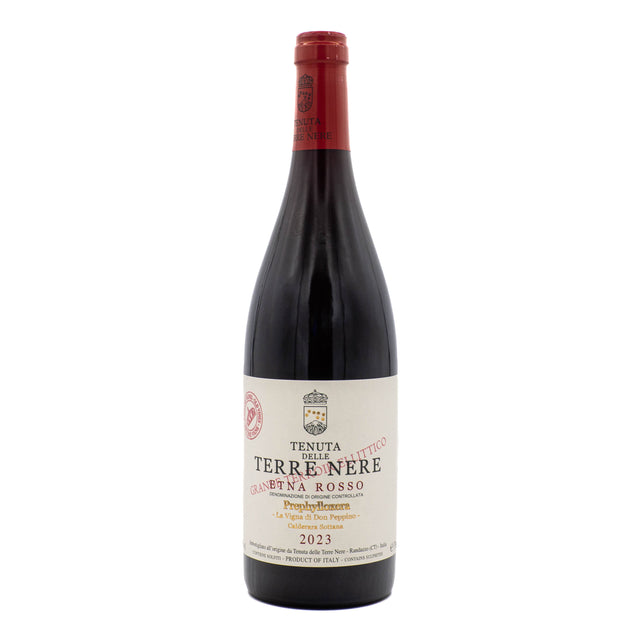
Tenuta delle Terre Nere Etna Rosso Prephylloxera La Vigna di Don Peppino 2023
We have 1 in stock (Inventory is live and accurate)
Summer Shipping Advisory: Orders may be temporarily held during periods of extreme heat to ensure wine arrives in optimal condition.
View current shipping weather map →
The Land
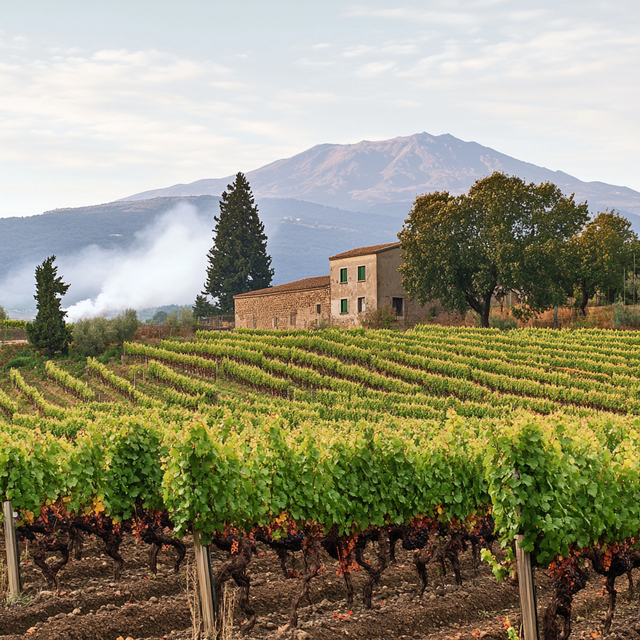
Phylloxera reached Etna in 1881 and took nearly everything. Inside a four-hectare block of Calderara Sottana, directly across from the Terre Nere cellar in the commune of Randazzo, two small parcels survived. The vines there are over 140 years old, still on their own roots, and cover 0.8 hectares in total. This is the north face of the volcano at 600 to 650 meters, the coolest and latest-ripening side, where soils are volcanic pumice mixed with basalt and traces of ash: black, porous, free-draining, and hostile enough that yields stay under five tons per hectare without anyone having to work at it. Ungrafted, pre-phylloxera Nerello Mascalese on the north slope of an active volcano is about as narrow a set of conditions as fine wine gets.
The Wine
100% Nerello Mascalese from ungrafted vines, north-exposed, with annual production of roughly 4,000 bottles. The wine is pale, translucent, and structurally closer to Burgundy or Barolo than to anything else from southern Italy: violet, rose petal, sour cherry, wild strawberry, blood orange, licorice root, and crushed volcanic rock, with fine, chalky tannin and a long saline finish. 2023 was punishing on Etna. Persistent rain through the critical part of the growing season brought heavy downy mildew pressure, and the year demanded constant vineyard work and hard selection. Marco de Grazia rarely recommends decanting anything. He makes an exception for this bottling, which is slower to open than the standard Calderara and repays the extra air.
The People
Marco de Grazia spent years as one of Italy's most influential wine exporters before founding Tenuta delle Terre Nere on Etna's northern slope, and he brought a Burgundian frame of reference with him: single contrade treated as crus, vine age tracked parcel by parcel, minimal extraction, restrained oak. In 2006 he realized the two ungrafted parcels inside Calderara Sottana were something separate and began vinifying them apart from the rest of the vineyard. That decision is essentially what established contrada bottling on Etna as a serious practice rather than a curiosity, and the estate has mapped and separated its holdings that way ever since.
Food Pairing
This is a wine for savory food in moderate portions, not for anything that will bury it. Roast rabbit with herbs and olives, pasta alla Norma with fried eggplant and ricotta salata, grilled swordfish with salmoriglio, or aged pecorino with honey. The chalky tannin and high acidity handle olive oil, tomato, and salt without needing red meat, and the volcanic salinity meets seafood in a way most reds cannot. Decant it an hour before you eat.
We ship wine to most states with a $100 minimum order for shipping. We don't ship spirits nor beer.
Weather shipping advisory: Orders placed during times of extreme heat or extreme cold will be held for no charge until more favorable weather returns.
Sicily, Italy’s largest island, blends ancient wine traditions with a fresh wave of modern creativity. Its star red grape, Nero d’Avola, thrives in the island’s warm, sun-soaked climate, producing intensely flavored wines with dark fruit and a hint of savory spice. Along the western coast lies the historic heartland of Marsala, a fortified wine prized for both sweet and dry styles. Rising above the island’s varied landscapes is Mount Etna, an active volcano whose mineral-rich soils and cooler elevations result in elegantly structured reds and nuanced whites. From coast to crater, Sicily’s wine culture is as diverse and vibrant as the region itself.
Italy - Sicily

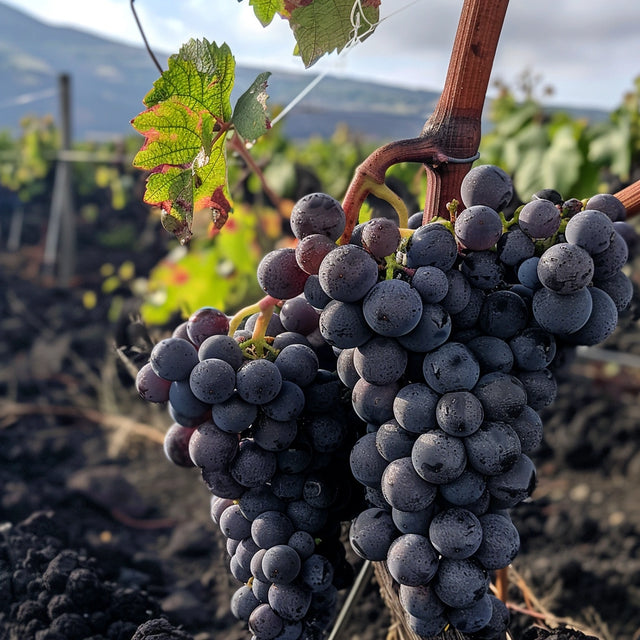
Named for its pale color and hometown of Mascali, Nerello Mascalese is a rising star in the wine world. Indigenous to Mount Etna, it was overlooked for decades until recently the world has taken notice of the elegant yet powerfully minerally wines produced on the volcanic slopes. Think halfway between Pinot Noir and Nebbiolo.
Nerello Mascalese
Certified Organic farming is an agricultural practice where vineyards adhere to strict regulations prohibiting the use of synthetic pesticides, herbicides, fungicides, and fertilizers. Instead, certified organic growers rely on natural alternatives, including compost, cover crops, and beneficial insects, to nourish the soil and manage pests. Certification requires compliance with established organic standards, typically verified by third-party agencies such as USDA Organic in the United States or EU Organic in Europe. This method emphasizes ecological balance, biodiversity, and sustainability, aiming to produce high-quality grapes and wines while reducing environmental impact and promoting long-term vineyard health. Organic farming is not allowed to use Glyphosate.