

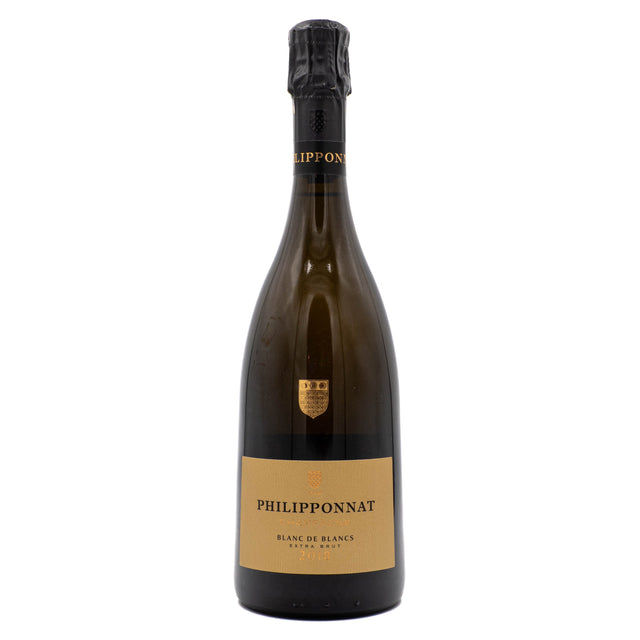
Philipponnat Extra Brut Blanc de Blancs 2018
We have 3 in stock (Inventory is live and accurate)
The Land
Philipponnat is a Pinot Noir house. The family has farmed Aÿ and Mareuil-sur-Aÿ since 1522, and its best-known site, the Clos des Goisses, is a due-south chalk wall pitched at 45 degrees above the Marne. A Blanc de Blancs from this address is therefore a deliberate step away from home ground. The Chardonnay comes from Grand and Premier Cru chalk elsewhere in the region: Chouilly and Oger in the Côte des Blancs, Vertus at its southern end, and Trépail, the Chardonnay outpost on the eastern flank of the Montagne de Reims. What connects those sites is not geography but soil. In each of them chalk sits close enough to the surface that the roots live in it, and the wine carries that as salinity rather than as weight.
The Wine
One hundred percent Chardonnay from the 2018 vintage, built entirely from first press must. Around 38 percent of the lots ferment in oak cask and are blocked from malolactic conversion to hold acidity; the balance ferments in stainless steel and goes through partial malolactic. That split is the design of the wine, cask lots for texture and width, tank lots for cut. Five-plus years on the lees in bottle, disgorged June 2024, finished at 4.5 g/L, low even by Extra Brut standards. The 2018 vintage explains those choices. Champagne came through one of its driest, sunniest summers on record and picked its earliest harvest ever, a large and clean crop that arrived very ripe, high in sugar and low in acid. Ripe Mirabelle plum, apricot, wildflower and honey give way to citrus, chalk dust and cream, and a long dry saline close.
The People
The Philipponnat family bought vineyard land in Aÿ and Mareuil-sur-Aÿ in 1522 and has grown grapes there for fifteen generations. Charles Philipponnat runs the house today. The estate covers roughly 20 hectares across Aÿ, Mareuil-sur-Aÿ and Avenay, and includes the 5.5-hectare Clos des Goisses, acquired in 1935 and the source of Champagne's first single-vineyard wine. Vineyard work is done largely by hand and in part with horses, using organic and biodynamic practices. The cellar signature is method rather than scale: first press juice only, a portion of every cuvée fermented or matured in cask, reserve wines held in a perpetual solera, and long aging on the lees before disgorgement. Philipponnat works as both grower and house, and this bottle is what that produces when the grape is Chardonnay.
Food Pairing
Butter-poached lobster with tarragon, where the cask-fermented lots meet the butter without the wine going slack. Oysters with a shallot mignonette, straight against the salinity. Fried calamari with a hard squeeze of lemon, the 4.5 g/L dosage doing the work the lemon wedge usually does alone. A leek and Gruyère quiche served warm rather than hot. This is a bottle for a table with four people around it and a reason to be there, not for a crowd standing up.
We ship wine to most states with a $100 minimum order for shipping. We don't ship spirits nor beer.
Weather shipping advisory: Orders placed during times of extreme heat or extreme cold will be held for no charge until more favorable weather returns.
Champagne is the northernmost major wine region in France, defined by its cool climate, chalky soils, and centuries-old tradition of sparkling wine production. Centered around the towns of Reims and Épernay, the region is divided into key subzones like the Montagne de Reims, Vallée de la Marne, and Côte des Blancs, each favoring different grapes—Pinot Noir, Meunier, and Chardonnay respectively. The region’s signature chalk and limestone soils provide excellent drainage and impart a distinctive mineral character to the wines. While méthode champenoise was refined here in the 17th century, Champagne’s global prestige grew through the 19th and 20th centuries, cementing its role as the benchmark for sparkling wine worldwide.
Champagne

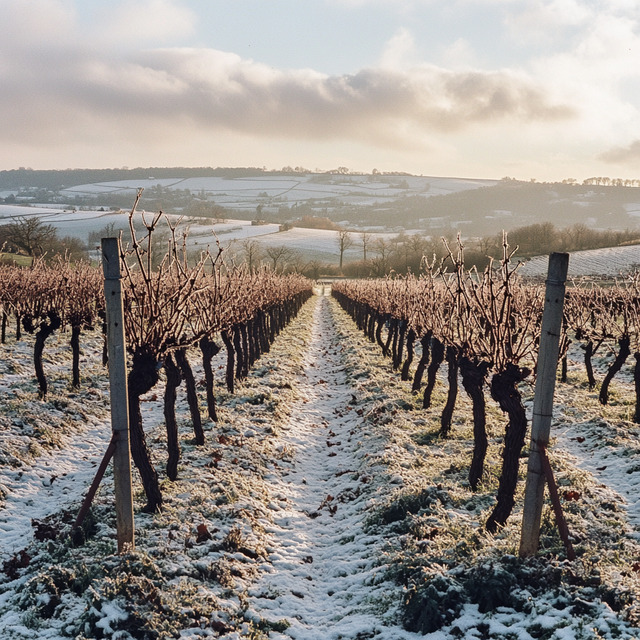
Chardonnay, one of the world's most versatile and beloved white grape varieties, showcases a remarkable spectrum of styles, from the lean, mineral-driven expressions of Chablis in France to the rich, buttery, and oak-aged versions from California's Napa Valley. Its adaptability extends to cooler climates such as Burgundy, where it achieves elegance and complexity, and to regions like Australia's Yarra Valley, known for producing vibrant and fruit-forward renditions. This grape's ability to reflect its terroir, coupled with winemaking techniques, results in a wide array of profiles, including unoaked, crisp varieties with apple and citrus notes, to full-bodied wines with tropical fruit flavors and creamy textures.