

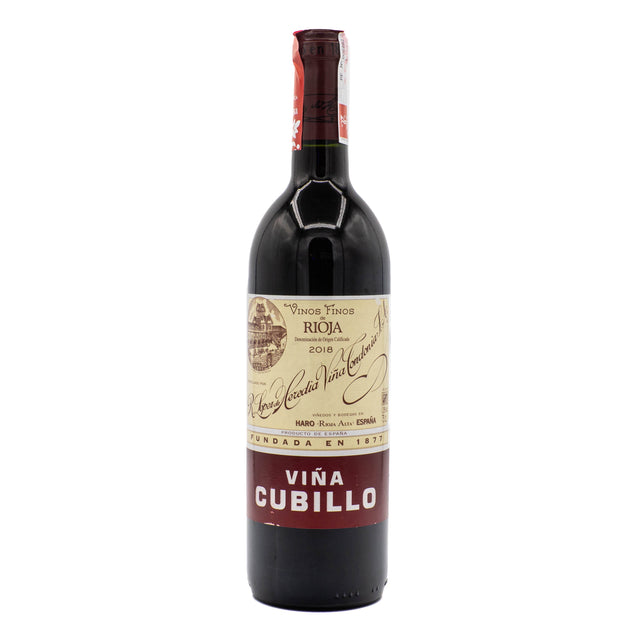
R. López de Heredia Viña Cubillo Crianza 2018
We have 4 in stock (Inventory is live and accurate)
Summer Shipping Advisory: Orders may be temporarily held during periods of extreme heat to ensure wine arrives in optimal condition.
View current shipping weather map →
The Land
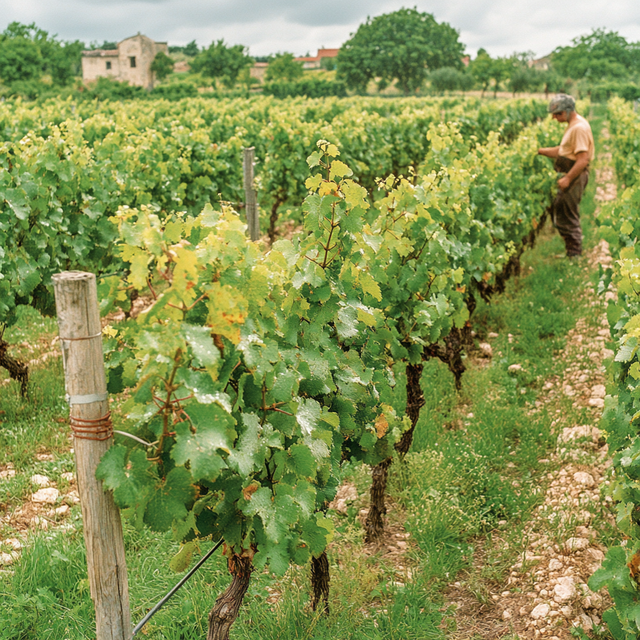
Crianza is the bottom rung of the Rioja aging ladder, the category built for wines meant to be drunk young. López de Heredia releases its Crianza after roughly nine years, which is longer than most Rioja houses hold their Gran Reserva. The fruit comes from Viña Cubillas, a 24-hectare vineyard about four kilometers from the bodega in Haro, at the western, coolest, most Atlantic-influenced end of Rioja Alta. The plantings are 16 hectares of Tempranillo, 4 of Garnacha, 2 of Mazuelo, and 2 of Graciano, farmed as a single unit and picked together. Chalky clay-limestone soils and the Cantabrian rain shadow keep alcohol moderate and acidity high, and the vineyard is worked essentially the way it was a century ago.
The Wine
Roughly 65% Tempranillo with Garnacha, Graciano, and Mazuelo filling out the rest, in proportion to how the vineyard is planted. Fermentation happens in the estate's old wooden vats, then the wine spends three years or more in used American oak barrels, hand-racked twice a year by gravity, fined with fresh egg whites, and bottled without filtration. The estate coopers its own barrels on site. That combination of long, oxidative, well-seasoned oak aging and no new wood is what produces the flavor profile: dried cherry, orange peel, dill, leather, cured meat, tobacco leaf, and a distinct sweet coconut-vanilla note that comes from old American oak rather than new. Tannins are resolved and the texture is silky. 2018 was cool and wet in Rioja with higher yields and lower alcohol than average, a vintage that rewarded producers making fresh, classically proportioned wine rather than concentrated wine.
The People
Rafael López de Heredia y Landeta founded the bodega in 1877 in Haro's Barrio de la Estación, making it the oldest continuously family-run estate in Rioja. Four generations later the family still runs it, and the method has essentially not changed: estate fruit only, fermentation in wood, extremely long barrel and bottle aging, hand racking, egg-white fining, no filtration, no stainless steel, no new oak, and an on-site cooperage that has been building and repairing barrels since the beginning. The cellars are famously carpeted in decades of black mold. This is not nostalgia as a marketing position; it is the same production sequence the house has run for nearly 150 years, and nobody else in Spain is still doing it.
Food Pairing
The savory, dried-fruit register wants slow-cooked food. Lamb shoulder roasted with garlic and thyme is the obvious match. Beyond that: roast suckling pig with crackling, mushroom and jamon croquetas, or a plate of aged Manchego with membrillo and marcona almonds. The resolved tannin means it will not fight anything, and the acidity keeps up with fat and salt. It needs no decanting, but pour carefully; the wine is unfiltered and there is sediment.
We ship wine to most states with a $100 minimum order for shipping. We don't ship spirits nor beer.
Weather shipping advisory: Orders placed during times of extreme heat or extreme cold will be held for no charge until more favorable weather returns.
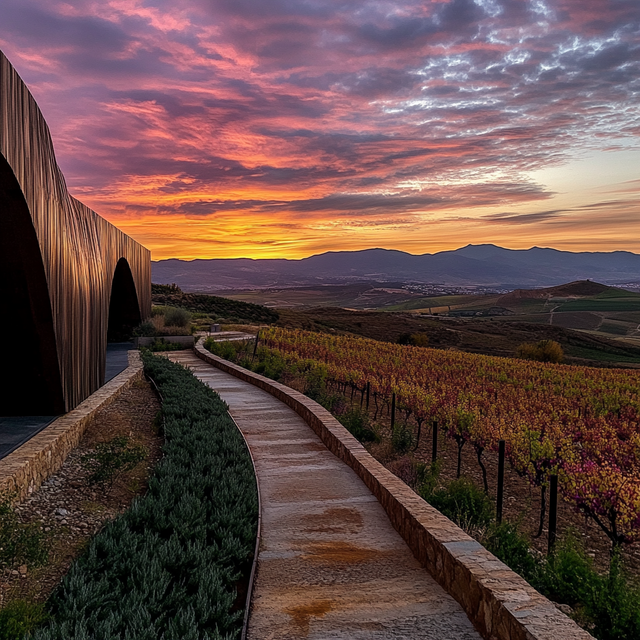
Rioja, Spain's iconic wine region nestled in the north-central part of the country, is defined by its diverse landscape and Tempranillo-based wines. The region is divided into three distinct subregions: Rioja Alta, Rioja Alavesa, and Rioja Oriental (formerly Rioja Baja), each contributing unique characteristics based on altitude, soil composition, and climate. While Tempranillo dominates, other important grapes include Garnacha, Graciano, and Mazuelo for reds, and Viura (Macabeo) for whites. Rioja's modern winemaking style was significantly shaped by the phylloxera epidemic of the late 19th century, which devastated vineyards across Europe. As French winemakers sought refuge and new sources of wine, they brought their techniques to Rioja, introducing oak aging and influencing the development of the region's distinctive, internationally recognized style.
Spain - Rioja

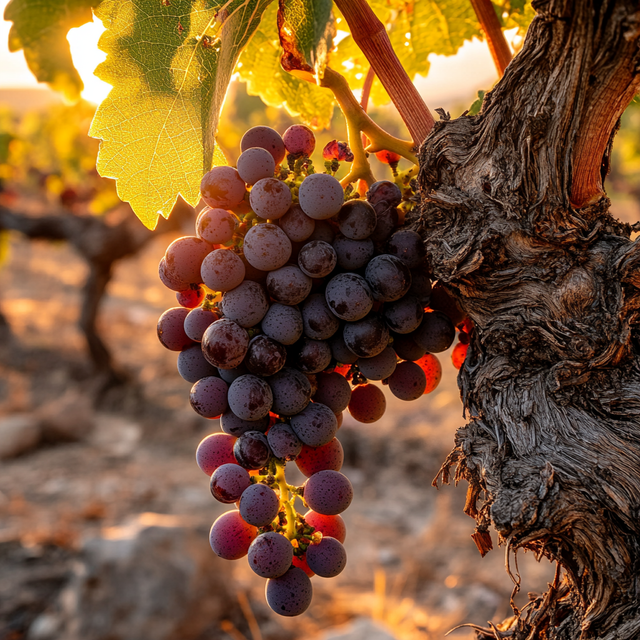
Tempranillo, Spain's most celebrated red grape, takes its name from the Spanish word "temprano," meaning "early," a reference to the variety's tendency to ripen earlier than other Spanish grapes. This versatility allows it to thrive across a range of climates and soil types. Though primarily associated with Spain, where it forms the backbone of Rioja, Ribera del Duero, and other prominent regions, Tempranillo also has a significant presence in Portugal. Here, it's known under various synonyms, including Tinta Roriz, Aragonez, and Tinto Fino, playing a crucial role in the production of both red and rosé wines. Its ability to produce wines with moderate acidity, balanced tannins, and complex flavors of red fruit, leather, and tobacco make it a favorite among winemakers and wine drinkers alike.
Tempranillo
Practicing Organic vineyard farming involves growing grapes using organic methods—avoiding synthetic fertilizers, herbicides, pesticides, and fungicides—but without formal certification. Wineries adopting this approach prioritize environmental health, soil vitality, and biodiversity, using natural practices such as composting, cover cropping, and manual pest control. Many small wineries opt for practicing organic methods rather than pursuing official organic certification, primarily due to the significant cost, paperwork, and time commitment involved in certification processes. As a result, practicing organic is a popular choice among boutique and artisanal producers who remain committed to sustainable agriculture while managing budgetary constraints.