

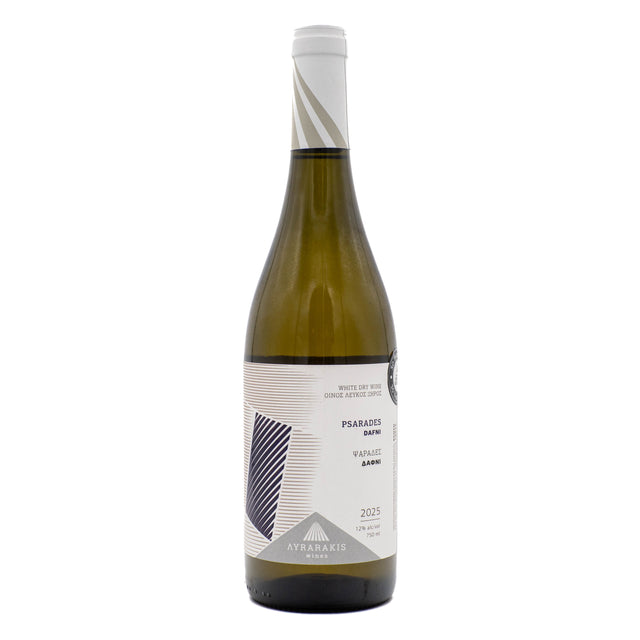
Lyrarakis Psarades Dafni 2025
We have 8 in stock (Inventory is live and accurate)
Summer Shipping Advisory: Orders may be temporarily held during periods of extreme heat to ensure wine arrives in optimal condition.
View current shipping weather map →
The Land
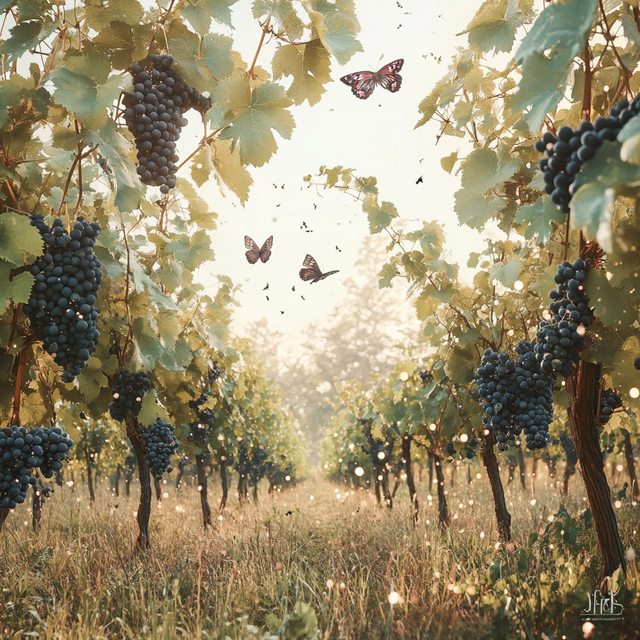
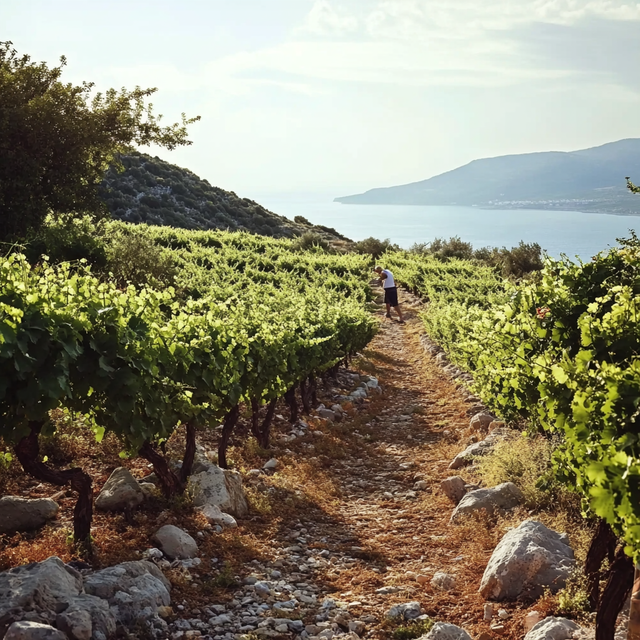
Crete is the southernmost vineyard land in Europe, closer to North Africa than to Athens, and on paper that should make serious white wine impossible. Altitude is the answer. The Psarades vineyard sits at 480 meters in central Crete, in the hills of Alagni, the most mountainous village in the Peza appellation south of Heraklion, ringed by the Lassithi range. Soils are clay and loam. At that elevation the nights drop hard even in a Cretan summer, and the diurnal swing is what preserves acidity and aromatics in fruit that would otherwise bake. The estate's vineyards overall average 550 meters, which tells you the family's whole approach: go up until the climate cooperates.
The Wine
100% Dafni, a variety that had essentially ceased to exist. The name means laurel in Greek, and the wine smells exactly like that: bay leaf first, then rosemary, wild thyme, and citrus behind. It is one of the few white grapes anywhere whose signature aroma is savory rather than fruit. The fruit gets 10 hours of skin contact, and a further 5% of the juice is fermented on skins for an extended period and blended back, a deliberate move to add phenolic weight and balance the acidity. Fermentation happens in stainless steel, followed by four months on the lees, and the wine finishes at 12% alcohol. Aromatic, dry, and genuinely herbal, with a saline, resinous close that has no real analogue in western European white wine.
The People
Brothers Manolis and Sotiris Lyrarakis founded the estate at Alagni in 1966 and sold fruit for decades; the first wines bottled under the family name came in 1992. What the family is known for is rescue work. Dafni, Plytó, and more recently Melissaki are indigenous Cretan varieties that had dwindled to near-extinction, and Lyrarakis found surviving material, propagated it, and planted it, in Dafni's case into this vineyard in the early 1990s. The second generation now runs the estate: Bart as CEO, George as chairman, Manolis as viticulturalist, across 14 hectares. The vineyards are in conversion to organic farming, with some parcels already certified.
Food Pairing
The bay and rosemary character makes the pairing obvious once you smell it. Lamb roasted with lemon, oregano, and potatoes, grilled octopus with olive oil and capers, a Greek salad with real feta and good tomatoes, or dolmades with tzatziki. The herbal aromatics meet oregano, thyme, and bay directly instead of competing with them, and the acidity handles lemon and olive oil. Serve it at 48 to 50 degrees. It is also one of the most interesting bottles to put in front of someone who thinks they have tasted everything.
We ship wine to most states with a $100 minimum order for shipping. We don't ship spirits nor beer.
Weather shipping advisory: Orders placed during times of extreme heat or extreme cold will be held for no charge until more favorable weather returns.
Greece – Islands includes nearly twenty winegrowing islands among the country’s 87 inhabited isles, each shaped by the Aegean’s sun, wind, and sea. Santorini’s volcanic soils, Crete’s mountainous terrain, and Cephalonia’s limestone-rich slopes are among the most influential, producing mineral-driven whites like Assyrtiko and Robola, as well as fresh, structured reds from native grapes such as Liatiko and Mavrodaphne. Across the islands, poor rocky soils, elevation, and constant maritime breezes give rise to wines of brightness, salinity, and distinctive character.
Greece - Greek Islands

Certified Organic farming is an agricultural practice where vineyards adhere to strict regulations prohibiting the use of synthetic pesticides, herbicides, fungicides, and fertilizers. Instead, certified organic growers rely on natural alternatives, including compost, cover crops, and beneficial insects, to nourish the soil and manage pests. Certification requires compliance with established organic standards, typically verified by third-party agencies such as USDA Organic in the United States or EU Organic in Europe. This method emphasizes ecological balance, biodiversity, and sustainability, aiming to produce high-quality grapes and wines while reducing environmental impact and promoting long-term vineyard health. Organic farming is not allowed to use Glyphosate.