

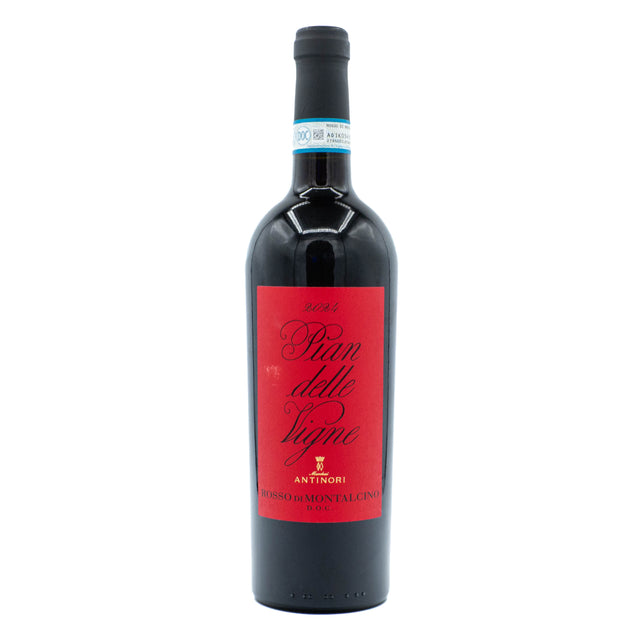
Antinori Pian della Vigne Rosso di Montalcino 2023
We have 12 in stock (Inventory is live and accurate)
Summer Shipping Advisory: Orders may be temporarily held during periods of extreme heat to ensure wine arrives in optimal condition.
View current shipping weather map →
The Land
Pian delle Vigne sits 6 kilometers southwest of the town of Montalcino, on 184 hectares of which 83 are planted to vine, generally facing southwest to southeast at about 130 meters above sea level. The estate takes its name from a 19th-century railroad station that still stands within its boundaries. Soils are calcareous clay, rich in fine gravel, ground that gives Sangiovese here freshness and minerality rather than sheer power. Montalcino sits south of Chianti Classico, warmer and drier, with more Mediterranean influence, and Pian delle Vigne's vineyards translate that into a Rosso built on brightness and lift.
The Wine
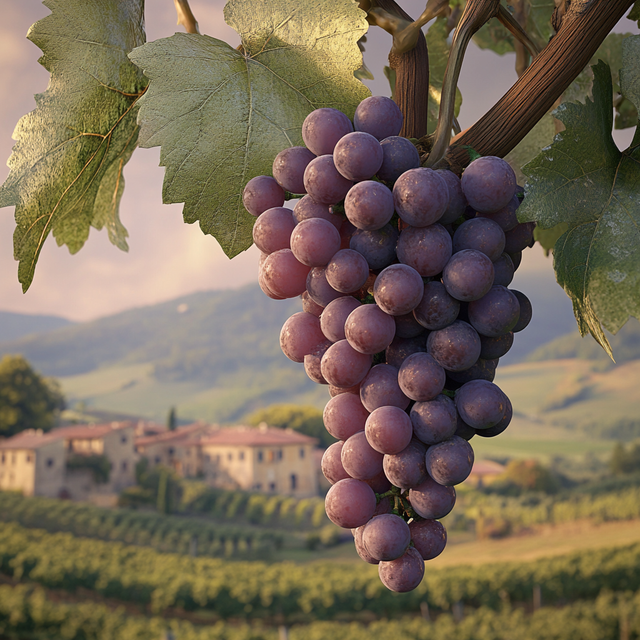
100% Sangiovese. Grapes are destemmed, gently crushed, and fermented in stainless steel at a controlled 26°C for 8 to 10 days, then aged about 10 months after malolactic fermentation before bottling. The 2023 growing season opened rainy through April and May, then turned hot and dry for summer; strong diurnal swings during ripening kept the Sangiovese aromatic, and harvest began September 11th with fruit in excellent health. The wine is ruby red, with black cherry, blood orange, and jasmine-like white flower on the nose. The palate is vibrant and supple, silky tannins carrying through to a long finish of strawberry and blood orange.
The People
The Antinori family bought the Pian delle Vigne estate in 1995, the same year as the first Pian delle Vigne Brunello, establishing it as their outpost in Montalcino. The Rosso is Antinori's way of showing pure Sangiovese from this site without the extended aging Brunello requires, a more direct fruit expression from the same vineyards and soils. It sits alongside Tignanello and Guado al Tasso as one of the family's regional interpretations of a single place and grape, farmed with the same attention to site that defines the rest of the portfolio.
Food Pairing
Grilled pork chops with sage, a simple margherita pizza, roasted chicken with rosemary potatoes, or a bowl of pici with tomato and pecorino. This is a Rosso built for daily use rather than a special-occasion Brunello: the acid and light tannin work through tomato sauce and grilled fat alike without asking for a long decant.
We ship wine to most states with a $100 minimum order for shipping. We don't ship spirits nor beer.
Weather shipping advisory: Orders placed during times of extreme heat or extreme cold will be held for no charge until more favorable weather returns.
Tuscany is one of Italy’s most iconic wine regions, anchored by historic regions like Chianti and Montalcino, where Sangiovese thrives in clay-limestone soils and varying elevations. Chianti Classico produces medium-bodied, savory reds, while Montalcino’s warmer, drier conditions give rise to the powerful and long-lived Brunello. Along the Tuscan coast, regions like Bolgheri emerged in the late 20th century with the rise of Super Tuscans—often blends of international varieties like Cabernet Sauvignon and Merlot grown in marine-influenced soils. While overwhelmingly known for red wines, Tuscany is also home to great classic whites grown in San Gimignano and modern whites often made with French grape varieties.
Italy - Tuscany

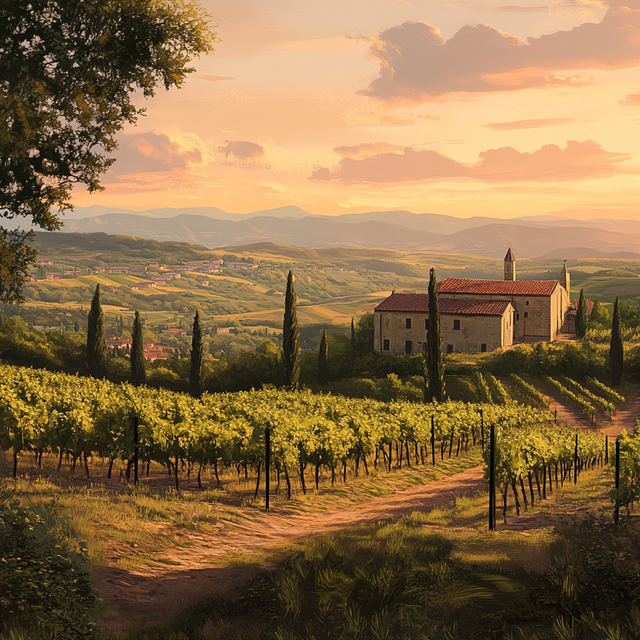
Sangiovese is Italy’s most widely planted red grape and the backbone of many of the country’s most renowned wines, including Chianti Classico, Brunello di Montalcino, and Vino Nobile di Montepulciano. Its name likely derives from the Latin “sanguis Jovis,” or “blood of Jupiter,” hinting at its ancient Roman roots. While native to central Italy, particularly Tuscany, it is also grown in regions like Umbria, Emilia-Romagna, and even scattered sites abroad. Sangiovese is known for its high acidity, firm tannins, and bright red fruit character, often showing notes of sour cherry, dried herbs, and earthy spice. Its structure and versatility make it a natural match for food and a compelling lens through which to explore regional terroirs.