

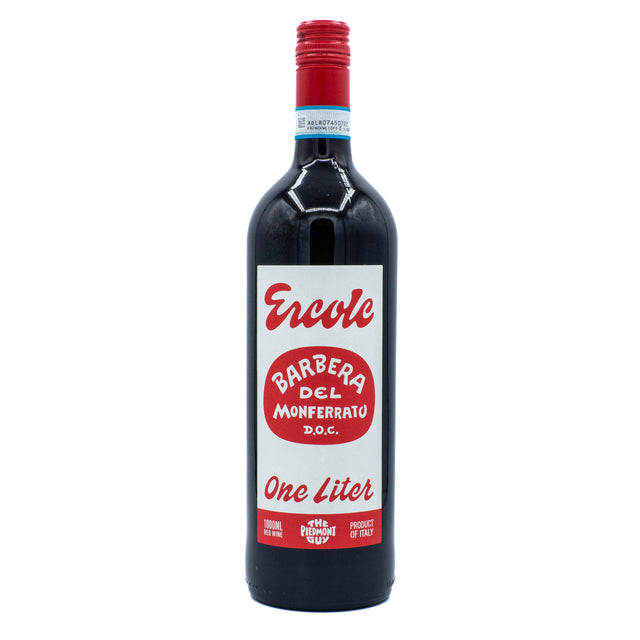
Ercole Barbera del Monferrato 2024 1L
We have 12 in stock (Inventory is live and accurate)
Summer Shipping Advisory: Orders may be temporarily held during periods of extreme heat to ensure wine arrives in optimal condition.
View current shipping weather map →
The Land
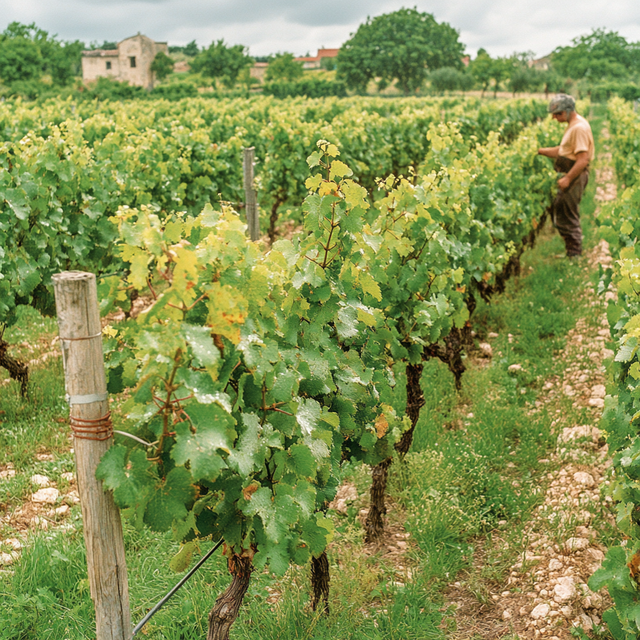
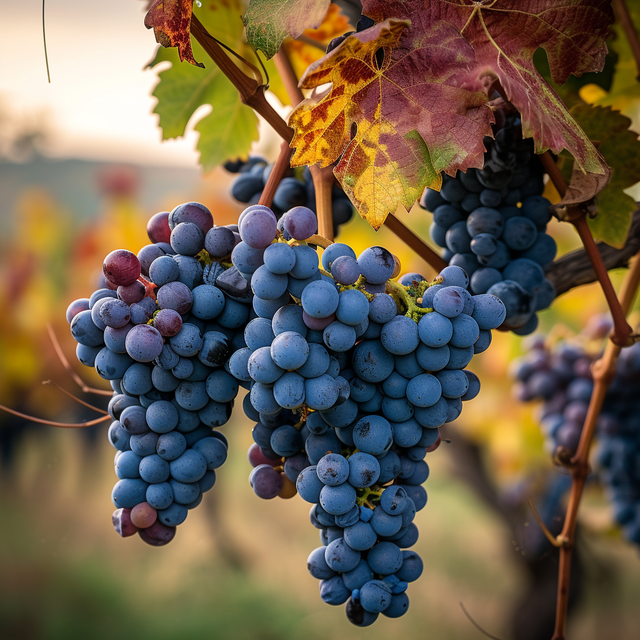
Monferrato is Barbera's home ground — documentary evidence traces the grape here to 13th-century cathedral records, making it one of the most historically rooted varieties in Piedmont. The zone rolls across clay-limestone hills southeast of the River Po, with vineyards planted at 150 to 400 meters elevation on south-facing slopes. Unlike the more concentrated, oak-aged Barberas of Asti and Alba, Barbera del Monferrato has historically aimed for freshness and drinkability — a style that suits the grape's naturally high acidity and relatively light tannin. Ercole draws from a cooperative of small family growers spread across those same hills, farming vines that average 30 to 50 years old.
The Wine
100% Barbera, fermented in concrete tanks, aged briefly in stainless steel, bottled in a 1-liter format designed for the table rather than the cellar. The approach is clean and direct: dark cherry, black plum, raspberry, and a savory herb note, with Barbera's signature bright acidity and light tannin frame. No oak, no extraction beyond what the fermentation delivers naturally. This is not a wine you cellar — it's a wine you open on a Tuesday with whatever is on the stove. The liter format makes the decision easy.
The People
Ercole is a project created by The Piedmont Guy, a US importer with deep relationships among small Monferrato growers, in collaboration with a long-established local cooperative. The growers follow EU lotta integrata standards, with many certified organic, relying on copper and sulfur rather than systemic chemicals. The cooperative model supports small-scale farmers who might otherwise sell their fruit in bulk. The goal is honest, site-specific Barbera at a price that makes a second bottle the obvious choice.
Food Pairing
Pizza margherita, pasta with sausage and tomato, grilled pork chops with salsa verde, or a board of salumi and olives. Barbera's bright acidity handles tomato sauce like almost no other grape. A liter bottle and good company is the full recipe.
We ship wine to most states with a $100 minimum order for shipping. We don't ship spirits nor beer.
Weather shipping advisory: Orders placed during times of extreme heat or extreme cold will be held for no charge until more favorable weather returns.
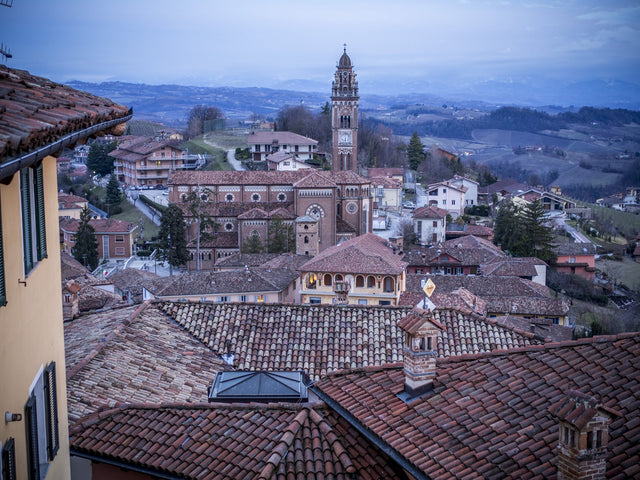
Piedmont, framed by the Alps in northwestern Italy, is a land of rolling hills and carefully cultivated vineyards. The continental climate, with its cold winters and warm summers, creates prime conditions for the Nebbiolo grape, which dominates much of the region's red wine production. The Langhe area is home to Barolo and Barbaresco, structured red wines known for their complex aromas, firm tannins, and aging potential. While Nebbiolo is the dominant grape of Piedmont, the region also makes interesting white wines like those from Arneis and Timorasso. Alto Piemonte is a separate region in the north with its own distinctive expressions of Nebbiolo, alongside other red grape varietals.
Italy - Piedmont

Piedmont's 2nd red grape behind Nebbiolo, Barbera is easy to enjoy and versitile with its low tannins and fleshy fruit. High acidity also makes it food-friendly, and flavors range from tart red berries to exotically ripe purple fruits.
Barbera
Practicing Organic vineyard farming involves growing grapes using organic methods—avoiding synthetic fertilizers, herbicides, pesticides, and fungicides—but without formal certification. Wineries adopting this approach prioritize environmental health, soil vitality, and biodiversity, using natural practices such as composting, cover cropping, and manual pest control. Many small wineries opt for practicing organic methods rather than pursuing official organic certification, primarily due to the significant cost, paperwork, and time commitment involved in certification processes. As a result, practicing organic is a popular choice among boutique and artisanal producers who remain committed to sustainable agriculture while managing budgetary constraints.