

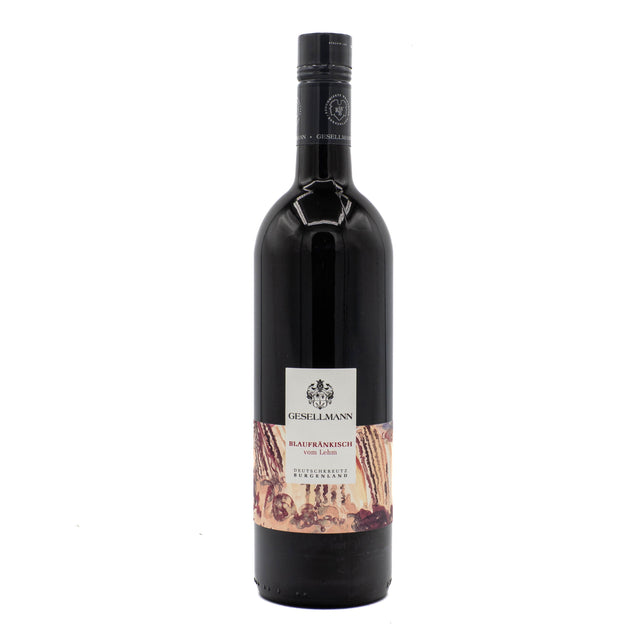
Gesellmann Blaufränkisch vom Lehm 2023
We have 5 in stock (Inventory is live and accurate)
Summer Shipping Advisory: Orders may be temporarily held during periods of extreme heat to ensure wine arrives in optimal condition.
View current shipping weather map →
The Land
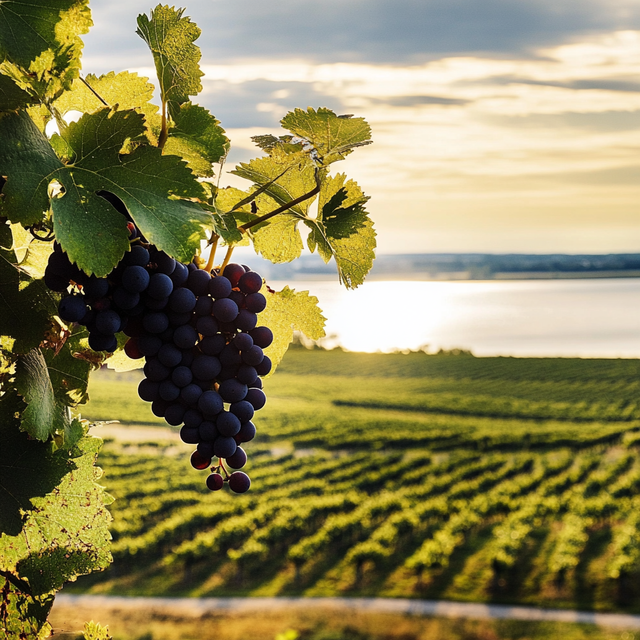
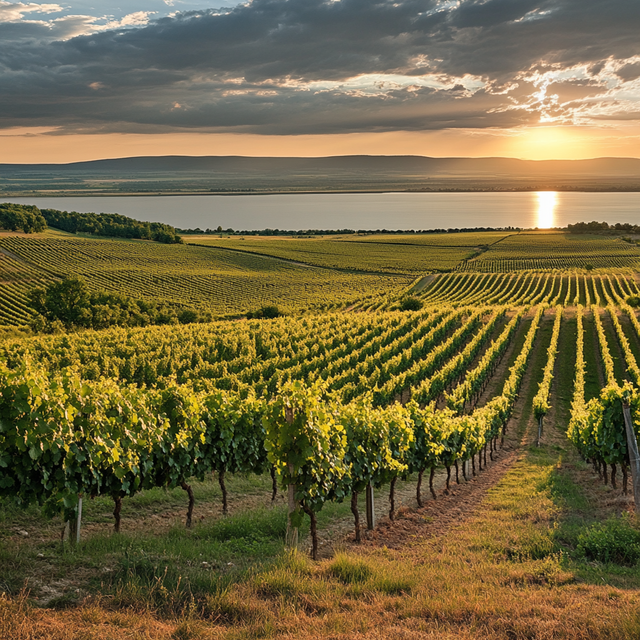
Deutschkreutz sits on the Hungarian border, a few kilometers from Sopron, and it is about as far from the Alpine picture of Austria as the country gets. This is the edge of the Pannonian plain. Mittelburgenland, roughly 2,100 hectares of vines, goes by the nickname Blaufränkischland, and the grape defines the district. Low hills shelter it on three sides, the Ödenburger Gebirge to the north and the Günser uplands to the south, while the east lies open to Hungary. Days run warm and dry, nights cool off, and that gap stretches ripening well into autumn. The soil gives this bottling its name. Vom Lehm means "from the clay," and the fruit comes from heavy, deep, calcareous clay in Gesellmann's Deutschkreutz sites. Clay holds water through dry summers and pushes Blaufränkisch toward more weight and darker fruit.
The Wine
One hundred percent Blaufränkisch, hand-harvested, fermented on the skins with full malolactic conversion, then raised for 11 months in large wooden casks rather than the barriques used for the estate's top cuvées. That choice shows in the glass: the big cask lets the wine breathe without stamping vanilla or toast on the fruit, so the clay and the grape carry the flavor. Dark ruby color, cherry, blackberry, cassis, licorice and a whiff of clove, then the peppery spice that marks Blaufränkisch from Mittelburgenland. The tannin is dense, the acid keeps it moving, and the finish is clean. The 2023 vintage in Burgenland opened after a very dry winter, brought local hail and early mildew pressure, then turned warm; red growers picked fully ripe grapes with mature tannin.
The People
The Gesellmann estate first appears in the records of Deutschkreutz in 1719. Its modern shape came from Engelbert Gesellmann, who in the 1980s planted international varieties, brought French barriques into the cellar and launched the Opus Eximium blend in 1988, when Austrian red wine barely registered abroad. His son Albert, born in 1970, worked in California, including at Cuvaison, before taking over. Albert and his wife Silvia now run the 50-hectare estate, and under them the focus has swung back toward Blaufränkisch and the individual sites. Organic conversion began in 2011, and the wines have been certified organic since the 2015 vintage. Vineyard work is done by hand, and some of the family's vines are around 90 years old. Vom Lehm is the estate's everyday answer to what local clay does to the local grape.
Food Pairing
Paprika-Roasted Chicken Thighs with Creamy Mushroom Spätzle
The savory spice and peppery character of Blaufränkisch are a natural match for paprika-roasted chicken, while mushrooms play into the wine’s earthy side. Fresh acidity cuts through the creamy spätzle and crispy chicken skin, keeping the whole pairing balanced. Find the full recipe on our blog.
We ship wine to most states with a $100 minimum order for shipping. We don't ship spirits nor beer.
Weather shipping advisory: Orders placed during times of extreme heat or extreme cold will be held for no charge until more favorable weather returns.
Burgenland, Austria's easternmost region, is defined by its warm, continental Pannonian climate, resulting in opulent and authoritative wines across the spectrum. While known for producing some of Austria's most powerful red wines, particularly from Zweigelt and Blaufränkisch, Burgenland also excels in complex white wines and extraordinarily fine sweet wines. Key white varieties include Chardonnay, Pinot Blanc, Grüner Veltliner, and Welschriesling. The region is geographically diverse, with Eisenberg in the south known for mineral Blaufränkisch, Mittelburgenland and Rosalia for fruit-driven Blaufränkisch, Leithaberg for complex whites and Blaufränkisch, and the Neusiedlersee and Seewinkel areas in the east renowned for both powerful Zweigelt reds and exceptional botrytized sweet wines.
Austria - Burgenland

Blaufränkisch is a quintessential Central European grape, and Austria's signature red variety. This indigenous grape, likely a crossing of Sbulzina and Weißer Heunisch, is historically significant throughout the former Habsburg Monarchy, known as Lemberger in Germany and Kékfrankos in Hungary. Blaufränkisch thrives in Burgenland, particularly in Mittelburgenland, Eisenberg and Leithaberg, where it produces structured red wines with a distinctive profile. Expect notes of wild berries and cherries, underpinned by a powerful acidity. Blaufränkisch wines are known for their dense structure and prominent tannins in youth, evolving into velvety, complex wines with excellent aging potential. This is a grape that truly reflects its origins, offering a compelling and age-worthy expression of central European red wine.