

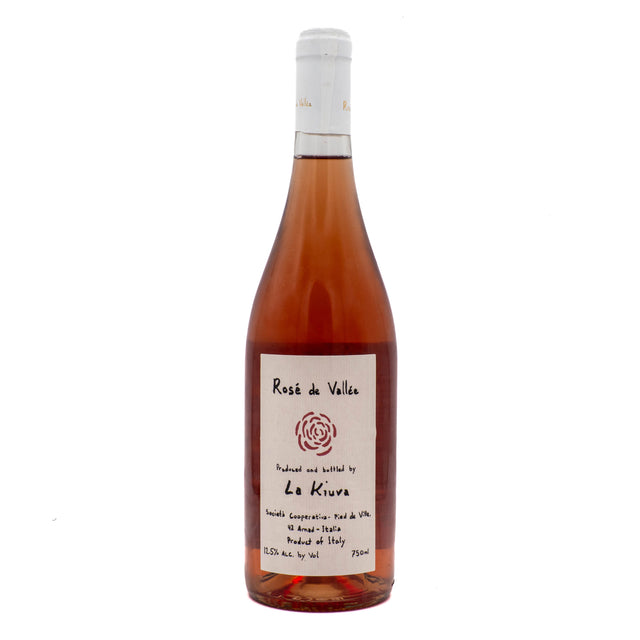
La Kiuva Rosé de Vallée 2025
We have 11 in stock (Inventory is live and accurate)
Summer Shipping Advisory: Orders may be temporarily held during periods of extreme heat to ensure wine arrives in optimal condition.
View current shipping weather map →
The Land
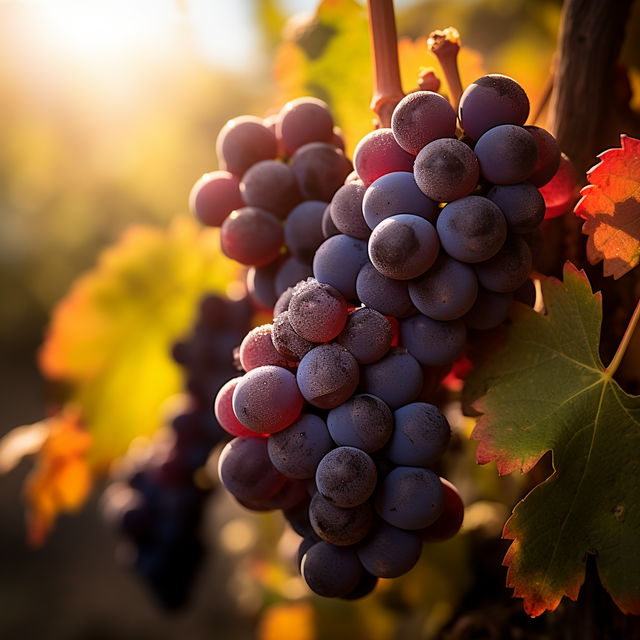
Nebbiolo is Piedmont's grape, but it also grows in the Alps. At the lower end of the Valle d'Aosta, where the valley narrows toward the Piedmont border, the same variety goes by the local name Picotendro. Arnad sits in this stretch along the Dora Baltea river, and the cooperative's members farm vineyards between Hône and Montjovet at 380 to 500 meters. The soils are sandy and alkaline, deposited by glaciers and shaped into terraces on steep slopes, with vines trained on traditional pergolas and Guyot. Days are sunny, but cold air pours down from the mountains at night, which keeps acid high and fruit crisp. Arnad is better known in Italy for its lardo, cured in chestnut-wood tubs, than for wine, and that is a useful clue for what to eat with this bottle.
The Wine
Rosé de Vallée is about 70 percent Picotendro, with the local red varieties Gros Vien and Neyret making up the rest. The grapes are hand-harvested and left in contact with their skins for about 12 hours, just long enough to pick up a pale onion-skin pink, then pressed and fermented off the skins at controlled temperature. The wine rests about six months in stainless steel and two months in bottle, with no oak. Expect raspberry, wild strawberry and cranberry, a flinty mountain freshness and a faint bitter-almond pull on the finish, which is the Nebbiolo showing through. It runs 12.5 percent alcohol. The 2025 season in the Valle d'Aosta was a good one after a difficult 2024: a warm, wet June, a dry July, and a cooler end to August that slowed ripening at the right moment. Harvest ran 7 to 10 days early, volume rose about 8 percent, and acidity held.
The People
La Kiuva is a growers' cooperative, and in the Valle d'Aosta that is not a compromise. Vineyards here are tiny, steep and split among many families, and pooling the fruit is how much of it gets made into wine at all. The cooperative was founded in 1975, one of the first wineries set up with the backing of the autonomous region, and received its first grapes in 1979. Today about 50 member growers deliver fruit, working with a shared agronomist and enologist who track ripeness vineyard by vineyard. The name comes from the local patois: a kiuva is the bundle of dried leaves gathered in autumn to feed goats through the winter. The cooperative also runs a shop and restaurant in Arnad, and its range covers the local Arnad-Montjovet reds, whites, sparkling wine and grappa.
Food Pairing
Begin in Arnad: thin slices of lardo draped over warm toasted bread with a little chestnut honey, where the wine's acid and slight bitterness cut straight through the fat. Pan-fried trout with brown butter and almonds matches the rosé's delicate red fruit without overpowering it. A salad of bresaola, arugula and shaved Parmigiano works because the salt sharpens the berry flavors. And a warm potato and leek tart makes a light dinner the wine can carry. This is a twenty-dollar mountain rosé with Nebbiolo behind it, the bottle to keep cold for the weeknight when you want something drier and more interesting than the usual pink.
We ship wine to most states with a $100 minimum order for shipping. We don't ship spirits nor beer.
Weather shipping advisory: Orders placed during times of extreme heat or extreme cold will be held for no charge until more favorable weather returns.
Piedmont, framed by the Alps in northwestern Italy, is a land of rolling hills and carefully cultivated vineyards. The continental climate, with its cold winters and warm summers, creates prime conditions for the Nebbiolo grape, which dominates much of the region's red wine production. The Langhe area is home to Barolo and Barbaresco, structured red wines known for their complex aromas, firm tannins, and aging potential. While Nebbiolo is the dominant grape of Piedmont, the region also makes interesting white wines like those from Arneis and Timorasso. Alto Piemonte is a separate region in the north with its own distinctive expressions of Nebbiolo, alongside other red grape varietals.
Italy - Piedmont

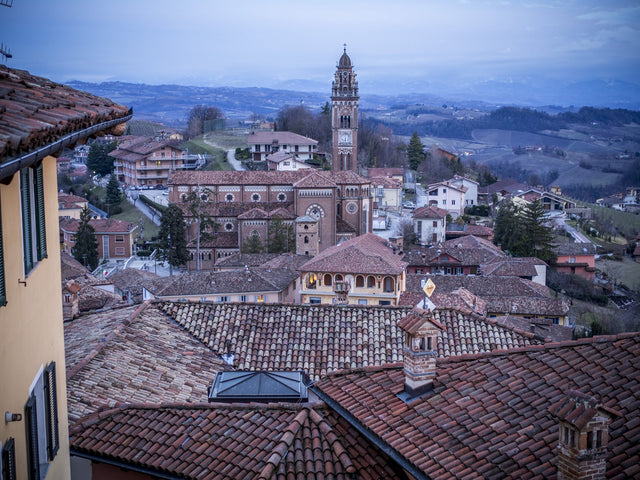
Nebbiolo, a prestigious grape from Italy's Piedmont region, is celebrated for its profound truffle and rose aromas, complex flavors, and ability to age gracefully thanks to strong acidity and tannins, producing the renowned Barolo and Barbaresco wines.