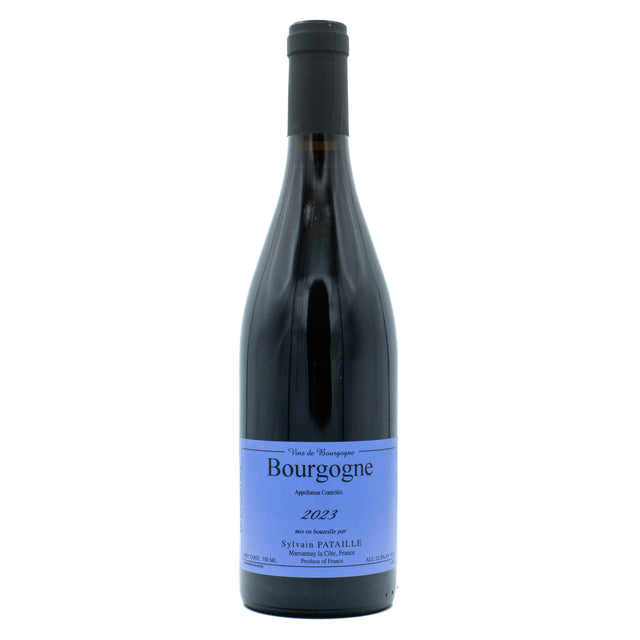
Sylvain Pataille Bourgogne Rouge 2023
We have 24 in stock (Inventory is live and accurate)
Summer Shipping Advisory: Orders may be temporarily held during periods of extreme heat to ensure wine arrives in optimal condition.
View current shipping weather map →
The Land
Bourgogne Rouge is Burgundy's most basic red appellation, the label that usually means young vines and a blend of scraps. Sylvain Pataille's version is nothing of the sort. It comes from a single 1.07-hectare parcel in Marsannay, at the northern tip of the Cote de Nuits, planted in 1956. These are genuinely old vines on the same clay-limestone that grows the village and premier-cru-quality sites nearby, declassified to Bourgogne only by the technicalities of appellation boundaries. In practice this is village-caliber fruit in a regional bottle, and it drinks well above its billing.
The Wine
100% Pinot Noir from that single old-vine parcel, fermented with native yeast and a portion of whole clusters, then aged around 12 months in barrel with only about 15% new oak and a low sulfur addition. Pataille presses long and slow and lets the wine finish at its own pace. 2023 was a large, ripe vintage in the Cote de Nuits that rewarded careful picking to keep freshness, and this wine holds it well. Expect a bright core of red cherry, strawberry, and raspberry lifted by violet, with refreshing acidity and the transparency of old-vine Pinot Noir. It is a serious wine dressed as an everyday one.
The People
What sets Sylvain Pataille apart is that he gives his entry-level wine the same attention as his crus: old vines, native-yeast fermentation, minimal sulfur, and patient barrel aging. He founded his Marsannay domaine in 1999 with a single hectare and now farms around 17 hectares, certified organic and worked biodynamically, ploughing by horse and keeping yields low. Trained as an oenologist and once a busy consultant, he has spent two decades proving that the northern Cote de Nuits, and even its humblest appellations, can produce Pinot Noir of real class.
Food Pairing
This is an ideal all-purpose Burgundy for the table. Pour it with roast chicken, a mushroom and thyme tart, grilled salmon, or a board of charcuterie and cornichons. Its bright red fruit and fresh acidity keep it lively next to earthy and savory dishes, and it is forgiving enough for a weeknight yet detailed enough to reward attention. A short chill suits it in warm weather.
We ship wine to most states with a $100 minimum order for shipping. We don't ship spirits nor beer.
Weather shipping advisory: Orders placed during times of extreme heat or extreme cold will be held for no charge until more favorable weather returns.
Burgundy, in eastern France, encompasses several subregions, but it is the Côte d'Or that is home to many of the world's most expensive and revered wines. The region, primarily a single east-facing slope, has mixed limestone soils that vary dramatically from village to village and even vineyard to vineyard. White wines, crafted from Chardonnay, range from rich and opulent to lean and intensely mineral, while Pinot Noir produces silky, perfumed red wines of exceptional finesse and complexity. Centuries of winemaking tradition have resulted in every plot being meticulously recognized and scrutinized, making the Côte d'Or a true capital of terroir.
Burgundy - Cote d'Or

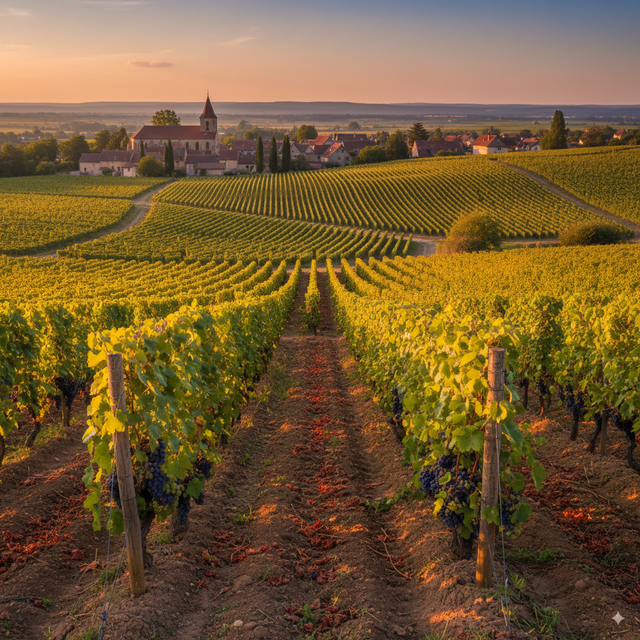
Pinot Noir is a thin-skinned, notoriously difficult-to-grow, low-yielding grape that finds its ancestral home in Burgundy, France, where it produces some of the world's most elegant and nuanced wines. While Burgundy remains its spiritual heartland, Pinot Noir has since traveled the globe, finding success in other cooler climates, notably in California, Oregon, New Zealand, and Germany. This grape is a challenge for any grower, as it requires specific conditions to show its best, and yet the wines it produces are capable of such a captivating and singular character.
Pinot Noir
Practicing Biodynamic vineyard farming follows the core principles of biodynamics—treating the vineyard as a self-sustaining, living organism and aligning farming activities with lunar and cosmic rhythms—but without formal certification. These vineyards often use compost preparations, herbal sprays, and homeopathic remedies to nourish the soil and promote vine health, while fostering biodiversity and natural balance. Many small or artisan producers embrace biodynamics philosophically and practically but choose not to pursue certification due to its cost, administrative demands, or philosophical preference for independence. As a result, practicing biodynamic farms often reflect a deep, holistic commitment to the land, even without the official label.