

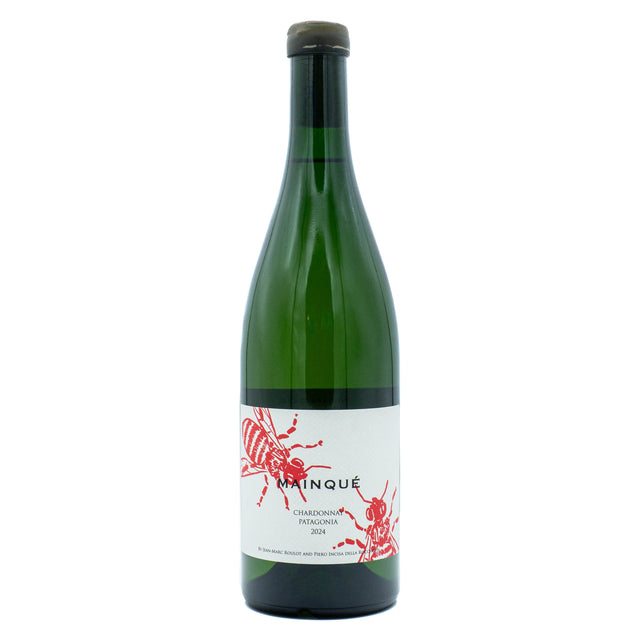
Bodega Chacra Chardonnay Mainque 2024
We have 4 in stock (Inventory is live and accurate)
The Land
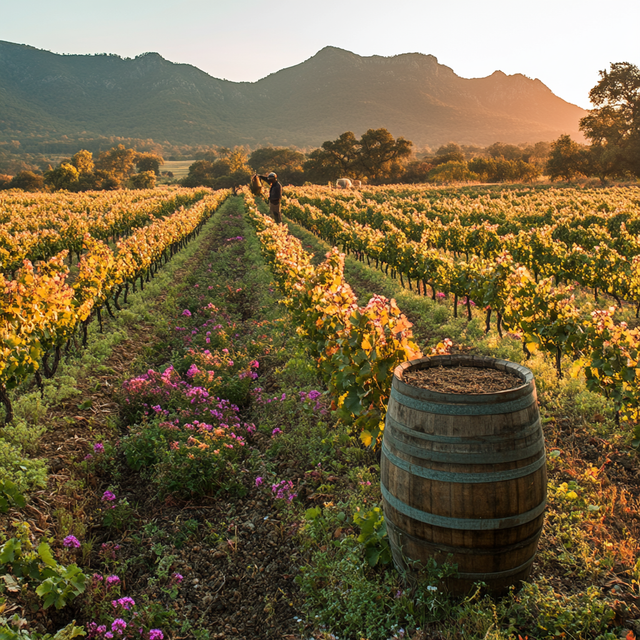
Argentine wine means Mendoza Malbec to most American drinkers, and this is neither. Rio Negro sits in northern Patagonia, hundreds of miles south of Mendoza, in flat desert where apple and pear orchards and windbreak rows of poplar far outnumber vines. The valley gets about seven inches of rain a year and humidity tops out around 30 percent, tempered only by the Neuquen and Limay rivers running down from the Andes to form the Rio Negro on its way to the Atlantic. Soils are an ancient riverbed of limestone, sand and clay, studded with alluvial stones coated in calcareous matter. Wind blows constantly, light is intense, nights are cold. That aridity, plus the desert acting as a natural quarantine, means the region has no phylloxera and very little vine disease. Patagonia is the best argument in South America that Argentina is not a one-region country.
The Wine
Chardonnay from three parcels in the sandier soils around Mainque, the Rio Negro district the estate takes its name from, where sand and clay give way to pebbles jacketed in calcareous matter. Picked early to hold acid. Fermented in barrel, 25 to 30 percent new, using the same barrels Jean-Marc Roulot works with in Meursault, and deliberately stopped short of full malolactic conversion so the acid line stays intact. That is a Burgundian toolkit pointed at a desert. Lemon peel, white peach, chamomile and crushed oyster shell come first, then the wine turns taut and narrow across the middle, more chalk and salt than fruit, closing long with an iodine edge. There is no tropical fruit here and no butter. It reads closer to a lean Cote de Beaune village white than to anything else in the Southern Hemisphere.
The People
Piero Incisa della Rocchetta is the grandson of Marchese Mario Incisa della Rocchetta, who created Sassicaia and proved that greatness was possible in a place nobody took seriously. Piero did the same thing in a harder place. In 2004 he bought the first of Chacra's vineyards in Rio Negro, an abandoned planting of ungrafted Pinot Noir put in the ground in 1932, later adding a neighboring block from 1955. What drew him was the old vines, not the glamour, because there is none. The farm is worked organically and biodynamically as a closed system, with artificial fertilizers and toxic pesticides and herbicides categorically prohibited, using preparations made from the estate's own organic matter. Starting with the 2017 vintage, Piero opened a Chardonnay chapter in partnership with Jean-Marc Roulot of Domaine Roulot in Meursault.
Food Pairing
Grilled whole branzino with lemon and olive oil, eaten off the bone, is the cleanest expression of what this wine does. Scallop crudo with olive oil and flaky salt leans into the saline, iodine finish. A leek and gruyere tart takes advantage of the barrel texture without the wine tipping into richness. And ceviche of white fish with lime, red onion and cilantro works because the acid in the wine matches the acid in the dish instead of fighting it. This is the white to open when someone tells you they do not like Chardonnay.
We ship wine to most states with a $100 minimum order for shipping. We don't ship spirits nor beer.
Weather shipping advisory: Orders placed during times of extreme heat or extreme cold will be held for no charge until more favorable weather returns.
Patagonia sits in the southern extremes of Argentina, where cooler temperatures and strong winds foster wines with striking freshness and purity. While Malbec still holds a place here, Pinot Noir is increasingly prominent, thanks to the region’s broad day-to-night temperature swings that enhance aromatics and acidity. Bodegas Chacra stands out for its exceptional single-vineyard Pinot Noirs, shining a spotlight on Patagonia’s unique terroir. From crisp whites to elegant reds, this frontier of Argentine viticulture delivers a vibrant and nuanced taste of the country’s diverse wine landscape.
Argentina - Patagonia


Chardonnay, one of the world's most versatile and beloved white grape varieties, showcases a remarkable spectrum of styles, from the lean, mineral-driven expressions of Chablis in France to the rich, buttery, and oak-aged versions from California's Napa Valley. Its adaptability extends to cooler climates such as Burgundy, where it achieves elegance and complexity, and to regions like Australia's Yarra Valley, known for producing vibrant and fruit-forward renditions. This grape's ability to reflect its terroir, coupled with winemaking techniques, results in a wide array of profiles, including unoaked, crisp varieties with apple and citrus notes, to full-bodied wines with tropical fruit flavors and creamy textures.
Chardonnay
Certified Biodynamic vineyard farming is a holistic approach building upon organic principles, viewing the vineyard as a self-contained ecosystem influenced by cosmic rhythms. Based on Rudolf Steiner's teachings, it integrates precise agricultural methods with lunar and astrological calendars, using natural preparations from herbs, minerals, and manure to enhance soil and plant health. Certification by organizations like Demeter International requires rigorous inspections to ensure strict compliance. Biodynamic farming seeks not only high-quality wines but also ecological harmony, sustainability, and deeper connections among land, plants, animals, and humans.