Christina Zweigelt 2023
We have 9 in stock (Inventory is live and accurate)
Summer Shipping Advisory: Orders may be temporarily held during periods of extreme heat to ensure wine arrives in optimal condition.
View current shipping weather map →
The Land
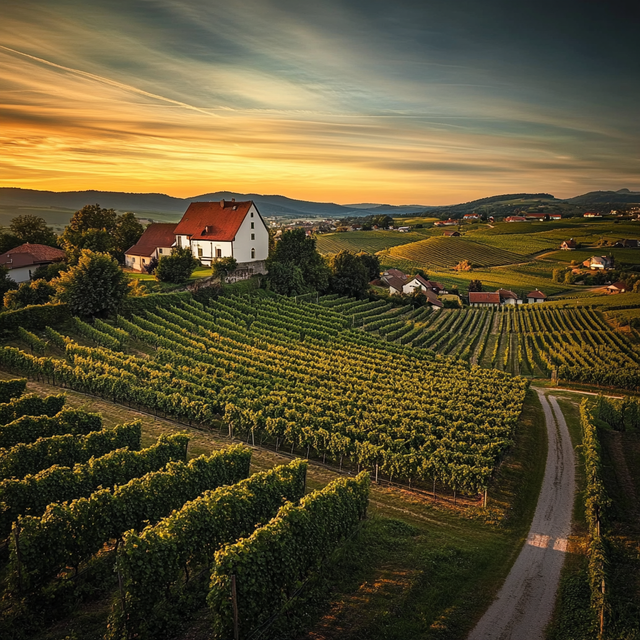
Zweigelt is Austria's most-planted red grape, and much of it gets made dark, sweet, and heavily oaked. This is the opposite. It comes from Carnuntum, a warm region east of Vienna where the vineyards run down toward the Danube, and specifically from the village of Gottlesbrunn, where the Netzl family has farmed since 1650. The climate is Pannonian, warm continental days that ripen the fruit fully, cooled at night by winds off the river that lock in acidity. The vines grow on loess, a fine wind-blown soil that gives Zweigelt its juicy, red-fruited character rather than heft.
The Wine
100% Zweigelt from certified organic, estate-farmed vines on loess. The grapes are hand-harvested and destemmed into stainless steel, where a slow spontaneous fermentation runs on native yeast in the cool old cellar. Malolactic fermentation and four months of aging happen in large old oak vats, and the wine is bottled unfined, unfiltered, with only a small sulfur addition. The result is a light red with purple glints, juicy cherry and red berry aromas, soft, silky tannins, and a fresh finish. Serve it lightly chilled; this is a natural red built for drinking, not contemplation.
The People
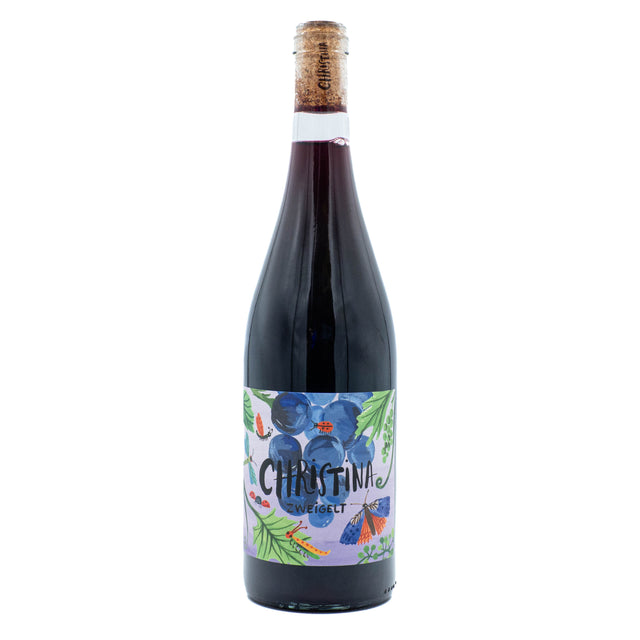
Christina Netzl knew she wanted to be a winemaker by the age of five, growing up on her family's mixed farm in Gottlesbrunn. She studied enology, joined her parents at the winery in 2007, and after an eye-opening stint with a London wine importer came home determined to farm cleaner and make more natural wines. She and her husband began converting the vineyards to organic in 2013, earned certification a few years later, and built her own low-intervention range alongside the estate's classic bottlings. The playful labels are a tribute to the beneficial insects that live in her organically farmed vineyards, helping manage pests and build soil health.
Food Pairing
Chill it slightly and pour it with casual, savory food. It shines next to a charcuterie board, roast pork, mushroom dumplings, or smoked trout, a Netzl family favorite. Its bright cherry fruit and soft tannin make it forgiving alongside picnic spreads and lighter meats, while the fresh acidity keeps it lively through a meal. It is as happy outdoors in summer as it is with Wiener schnitzel in winter.
We ship wine to most states with a $100 minimum order for shipping. We don't ship spirits nor beer.
Weather shipping advisory: Orders placed during times of extreme heat or extreme cold will be held for no charge until more favorable weather returns.
Niederösterreich, or Lower Austria, is Austria's largest and most diverse Qualitätswein region. Encompassing eight distinct wine-growing areas from Wachau (a separate region on this website) in the west to Carnuntum in the east, Niederösterreich is best understood through its three main climate zones: the Weinviertel to the north, the Danube region and its valleys west of Vienna, and the Pannonian southeast. The Danube region, while including the separately-presented Wachau, also encompasses the renowned Kremstal, Kamptal, Traisental, and Wagram subregions, each celebrated for their expressions of Grüner Veltliner and Riesling, often grown on loess soils. Weinviertel, the largest subregion, is famed for its peppery Grüner Veltliner, marked by the Weinviertel DAC. In contrast, the Pannonian climate in the southeast yields outstanding red wines, particularly Zweigelt and Blaufränkisch, and regionally typical whites.
Austria - Niederosterreich

Certified Organic farming is an agricultural practice where vineyards adhere to strict regulations prohibiting the use of synthetic pesticides, herbicides, fungicides, and fertilizers. Instead, certified organic growers rely on natural alternatives, including compost, cover crops, and beneficial insects, to nourish the soil and manage pests. Certification requires compliance with established organic standards, typically verified by third-party agencies such as USDA Organic in the United States or EU Organic in Europe. This method emphasizes ecological balance, biodiversity, and sustainability, aiming to produce high-quality grapes and wines while reducing environmental impact and promoting long-term vineyard health. Organic farming is not allowed to use Glyphosate.