

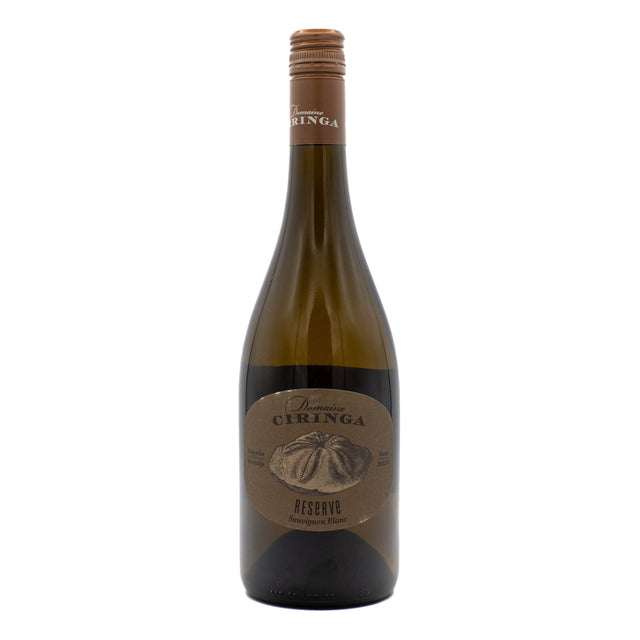
Domaine Ciringa Fosilni Breg Sauvignon Blanc 2020
We have 9 in stock (Inventory is live and accurate)
The Land
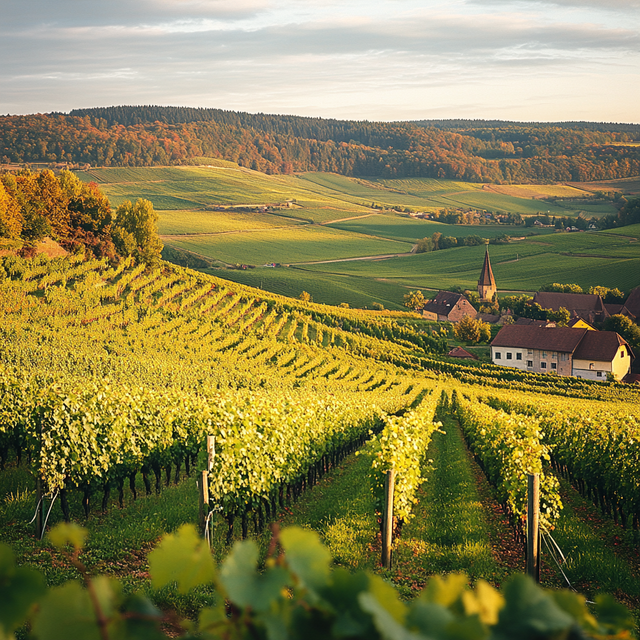
This vineyard is separated from one of Austria's most famous Sauvignon Blanc sites by nothing but a border post. The Zieregg hill in Styria runs straight across the Austrian-Slovenian frontier, and Domaine Ciringa farms its Slovenian continuation in Štajerska, in the Podravje region. Fosilni Breg means "fossil hill," and the name is literal: the vines grow on coralline limestone, the compressed remains of an ancient reef, in rows climbing from about 300 to nearly 500 meters. The Alpine-Adriatic collision zone gives the site warm days, cold nights, and long autumns — the diurnal swings that keep Styrian-style Sauvignon Blanc aromatic without turning green.
The Wine
Forget passionfruit-bomb Sauvignon Blanc; this is the limestone version. Spontaneous fermentation, then 18 to 20 months of élevage in large used oak casks and stainless steel — twice the patience most Sauvignon Blanc ever sees. The 2020 shows fine herbal savor with cassis and a leafy tobacco edge, then yellow stone fruit, a touch of blossom honey, and a finish of salt, spice, and herbs riding fresh acidity. 2020 was a cooler, more classical vintage in Styria and its Slovenian borderlands, compared by the Austrian wine board to 2013 and 2016 — crisp, varietally precise whites — though localized hail hit parts of the region. The long lees rest gives the wine texture to match its cut.
The People
Weingut Tement of Südsteiermark, the family estate that made Zieregg a benchmark for European Sauvignon Blanc, founded Domaine Ciringa in 2005 as a deliberate step across the border. Armin Tement planted the vines beginning in 2006 using the family's own massal selections, matching rootstocks to the site's varied terroirs, and today Armin and his brother Stefan run the estates with the same approach on both sides of the line: organically farmed vineyards, spontaneous fermentation, long élevage in large neutral casks, and no interest in flashy aromatics over site character. Ciringa is their argument that the hill matters more than the country.
Food Pairing
Grilled asparagus with a soft-poached egg and shaved Parmesan — Sauvignon Blanc's herbal side meets the vegetable head-on, and the wine's texture handles the yolk. Goat cheese and leek tart, a classic limestone-Sauvignon match built on acidity against tangy dairy. Seared halibut with salsa verde, where the caper-and-herb sauce echoes the wine's savory finish. Or chicken paillard with arugula, fennel, and lemon for a weeknight version of the same logic. A Slovenian white from an Austrian legend's vineyard: the bottle to bring when someone claims they already know Sauvignon Blanc.
We ship wine to most states with a $100 minimum order for shipping. We don't ship spirits nor beer.
Weather shipping advisory: Orders placed during times of extreme heat or extreme cold will be held for no charge until more favorable weather returns.
The Pfalz, a region in western Germany, is known for its diverse range of wines, particularly its dry Rieslings. The area's rolling hills and varied soil types, including sandstone, loess, and limestone, create a terroir that is often more generous than the steep slate slopes of the Mosel. While Riesling is a focus, the Pfalz also produces excellent Pinot Noir, and a range of other varieties. The wines from this area are often known for their rich texture, vibrant acidity, and a core of pure fruit, giving them a clear sense of the place.
Germany - Pfalz

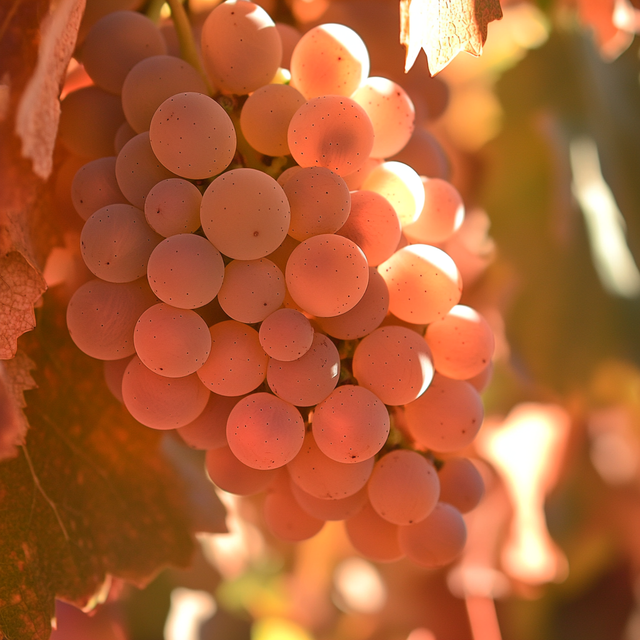
Sauvignon Blanc, a white grape of significant character, is believed to have originated in the Loire Valley of France, where it continues to produce some of the world’s most iconic and expressive examples. This variety has also found success in Bordeaux, where it is often blended with Sémillon, as well as in New Zealand, where it has become a signature grape, and many other regions across the globe. Known for its vibrant acidity and distinctive aromatic profile, Sauvignon Blanc often displays a pronounced greenness, with notes of fresh-cut grass, herbaceousness, and sometimes even a touch of jalapeño, depending on ripeness and region. These traits are often supported by citrus fruits like grapefruit and lime, leading to wines that are both refreshing and complex, ranging from steely and mineral-driven to more tropical and fruit-forward styles.