

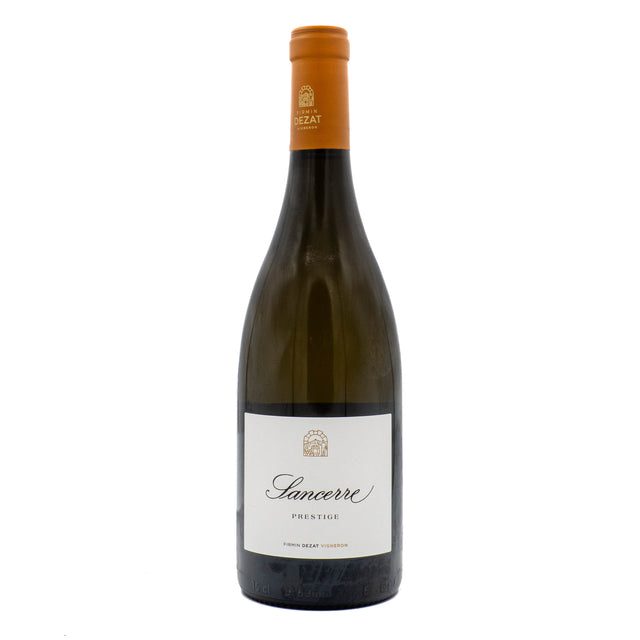
Domaine Firmin Dezat Sancerre "Prestige" 2024
We have 12 in stock (Inventory is live and accurate)
Summer Shipping Advisory: Orders may be temporarily held during periods of extreme heat to ensure wine arrives in optimal condition.
View current shipping weather map →
The Land
Most Sancerre never sees a barrel. The Prestige does, and it comes from a single half-hectare parcel on the Côte de Chaudoux, the slope above the Dezat cellars in Verdigny, one of the northern villages of the Sancerre appellation. The domaine farms three soil types across its 12 hectares of Sancerre: caillottes, silex and terres blanches, and each is picked and vinified apart. This cuvée is 100 percent terres blanches, the Kimmeridgian marl and limestone that gives Sauvignon Blanc from Sancerre its weight and its chalky, slow-building finish. The vines were planted about 60 years ago at 6,700 plants per hectare, and old roots in marl push the wine toward texture rather than the grassy snap of younger, stonier sites.
The Wine
Domaine Firmin Dezat Sancerre Prestige 2024 is 100 percent Sauvignon Blanc, hand-harvested into small cases and pneumatically pressed. It then ferments and ages entirely in 500-liter oak barrels, resting ten months on fine lees with bâtonnage once a month before bottling in August, the way Firmin's grandfather André made it. Only about 2,500 bottles are produced. Expect pale straw, white flowers, white peach and a touch of pineapple, then a broad, lees-rounded mid-palate with a little toast from the wood held in check by firm acidity, finishing long and chalky. 2024 was brutal in the Centre-Loire: spring frost and hail, rainfall roughly double the annual average, relentless downy mildew, low yields, and a harvest stretched from mid-September into the first two weeks of October. The reward was whites with freshness and lower alcohol than recent years.
The People
The Dezat family has tended vines around Sancerre since about 1550, and Firmin is the eighteenth generation. His grandfather André took over in 1948 and dug the cellars still in use today; André's sons Louis and Simon modernized and expanded in the 1970s, adding Pouilly-Fumé and, in 2006, Menetou-Salon. Firmin studied viticulture and enology in Tours, worked harvests in California, came home in late 2011, and took full charge when his father Simon retired in 2020. He moved the 23-hectare estate to HVE 3 in 2017, began organic conversion in 2021 and 2022, and now works all soils mechanically with only natural vine treatments.
Food Pairing
The oak and lees want richer dishes than classic Sancerre. Try pan-seared scallops with brown butter and a squeeze of lemon, where the barrel texture matches the sweetness of the shellfish and the acidity cuts the butter. Roast chicken with tarragon cream sauce works for the same reason. A wedge of aged Crottin de Chavignol, the goat cheese made a few kilometers away, sharpens the chalky finish. Or pour it beside halibut en papillote with leeks and thyme. This is the Sancerre to open when you want the real thing with a little more weight behind it.
We ship wine to most states with a $100 minimum order for shipping. We don't ship spirits nor beer.
Weather shipping advisory: Orders placed during times of extreme heat or extreme cold will be held for no charge until more favorable weather returns.
The Loire Valley, often referred to as the "Garden of France," is a revered wine region that stretches along the Loire River, producing an array of distinct wines, including the crisp, sea-breeze influenced Muscadet near the Atlantic coast, the versatile and expressive Chenin Blanc in regions like Vouvray and Anjou, the elegantly fragrant Cabernet Franc from Chinon and Bourgueil, and the minerally complex Sauvignon Blanc-based Sancerre and Pouilly-Fumé from its eastern vineyards. This is a reflection of the valley's varied terroir and climate, which together foster the creation of wines that are celebrated for their finesse, diversity, and food-friendliness.
Loire Valley

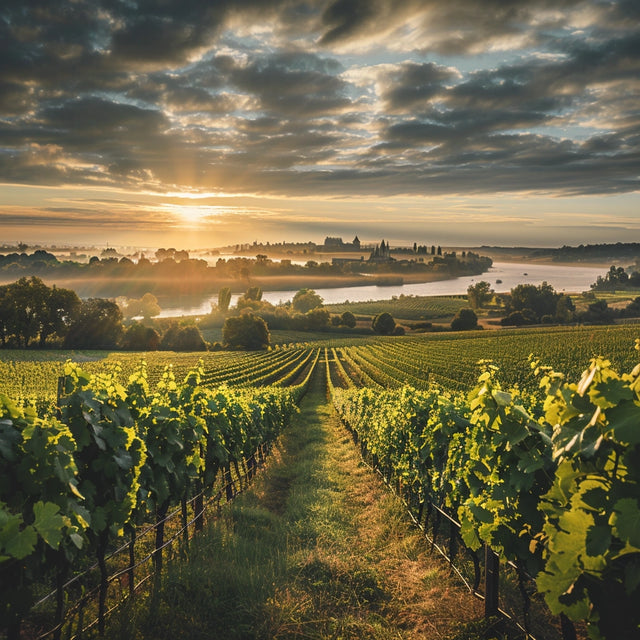
Sauvignon Blanc, a white grape of significant character, is believed to have originated in the Loire Valley of France, where it continues to produce some of the world’s most iconic and expressive examples. This variety has also found success in Bordeaux, where it is often blended with Sémillon, as well as in New Zealand, where it has become a signature grape, and many other regions across the globe. Known for its vibrant acidity and distinctive aromatic profile, Sauvignon Blanc often displays a pronounced greenness, with notes of fresh-cut grass, herbaceousness, and sometimes even a touch of jalapeño, depending on ripeness and region. These traits are often supported by citrus fruits like grapefruit and lime, leading to wines that are both refreshing and complex, ranging from steely and mineral-driven to more tropical and fruit-forward styles.
Sauvignon Blanc
Certified Organic farming is an agricultural practice where vineyards adhere to strict regulations prohibiting the use of synthetic pesticides, herbicides, fungicides, and fertilizers. Instead, certified organic growers rely on natural alternatives, including compost, cover crops, and beneficial insects, to nourish the soil and manage pests. Certification requires compliance with established organic standards, typically verified by third-party agencies such as USDA Organic in the United States or EU Organic in Europe. This method emphasizes ecological balance, biodiversity, and sustainability, aiming to produce high-quality grapes and wines while reducing environmental impact and promoting long-term vineyard health. Organic farming is not allowed to use Glyphosate.