

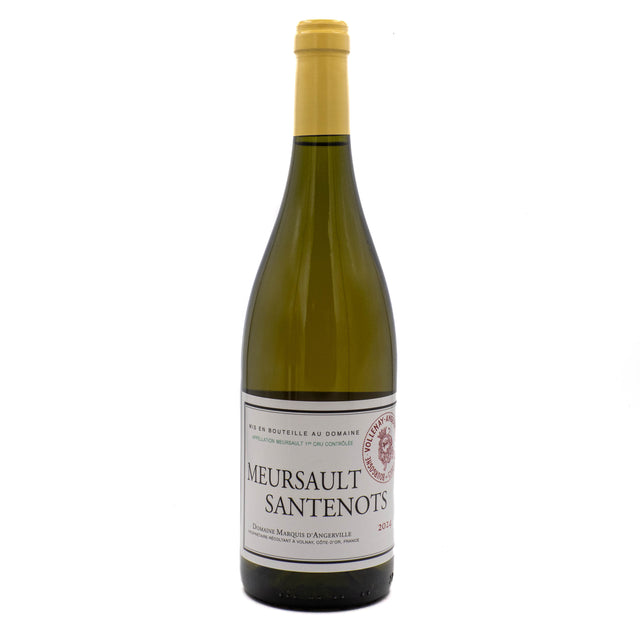
Domaine Marquis d’Angerville Meursault 1er Cru Santenots 2024
We have 3 in stock (Inventory is live and accurate)
Summer Shipping Advisory: Orders may be temporarily held during periods of extreme heat to ensure wine arrives in optimal condition.
View current shipping weather map →
The Land
Santenots is one of the Côte de Beaune's odd legal cases. The vineyard lies inside the commune of Meursault, right on the Volnay border, but by long tradition its red wine is sold as Volnay-Santenots, while its white is labeled Meursault 1er Cru Santenots. Most of the climat is planted to Pinot Noir. D'Angerville is one of the exceptions: the domaine holds 1.05 hectares here that have been planted to Chardonnay since 1905, making this one of the few white wines from a house known almost entirely for Volnay red. The soil is heavily marly, a limestone and clay mix that holds water and gives Chardonnay weight and breadth, a different register from the stonier, leaner premier crus farther south toward Puligny.
The Wine
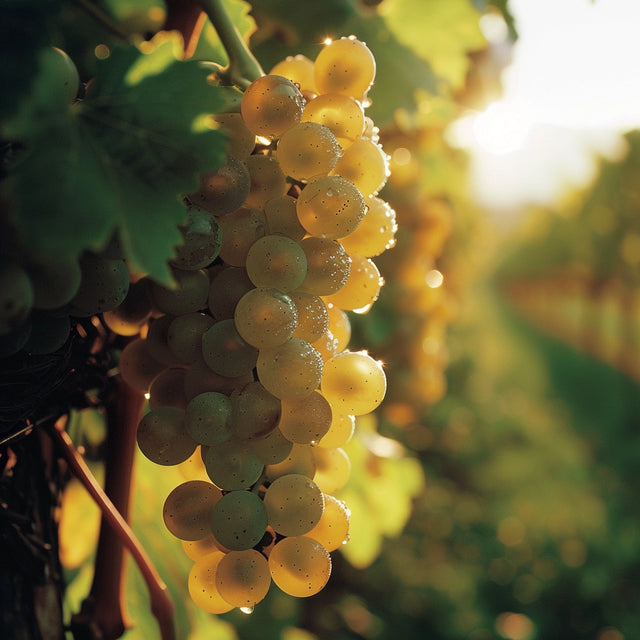
The Domaine Marquis d'Angerville Meursault 1er Cru Santenots 2024 is 100% Chardonnay, fermented and aged in barrel with only light bâtonnage, so the lees add texture without making the wine heavy. The domaine has used about a quarter new oak for this wine in past vintages, in barrels larger than the standard 228 liters, which softens the oak's imprint. 2024 was brutally wet, with rainfall close to double normal through winter and spring and long mildew pressure, but Chardonnay came through better than Pinot Noir, and the Côte de Beaune whites are taut, saline and precise. Peeled stone fruit and white nectarine, a trace of vanilla and cedar, then a creamy but focused mid-palate, pink grapefruit pith and a long, energetic finish.
The People
The biodynamic turn at d'Angerville came through friendship. Guillaume d'Angerville began converting the domaine in 2006 on the advice of his close friend, the late Anne-Claude Leflaive, whose Puligny domaine was one of Burgundy's biodynamic pioneers. The work in the vineyards is led by François Duvivier, régisseur since 2005, who oversees farming, vinification and élevage. Guillaume's brother-in-law, the agronomist Renaud de Villette, worked alongside Jacques d'Angerville for more than a decade and helped Guillaume through his first years in charge. Guillaume credits biodynamics with making the vines more resilient to a changing climate and with lower pH in the grapes, which shows up as freshness in a white like Santenots.
Food Pairing
Santenots has the body for dishes that would overwhelm a lighter white. Seared scallops with brown butter and a squeeze of lemon match its creamy texture and citrus finish. Roast chicken with morels in a cream sauce is the Burgundian classic for a white Meursault. Lobster with drawn butter, or a lobster risotto, meets the wine's weight head on, and Dover sole meunière shows off its salinity. White Burgundy from a Volnay domaine is a genuine conversation piece, and this is the bottle to pour when the dinner is special enough to make the effort.
We ship wine to most states with a $100 minimum order for shipping. We don't ship spirits nor beer.
Weather shipping advisory: Orders placed during times of extreme heat or extreme cold will be held for no charge until more favorable weather returns.
Burgundy, in eastern France, encompasses several subregions, but it is the Côte d'Or that is home to many of the world's most expensive and revered wines. The region, primarily a single east-facing slope, has mixed limestone soils that vary dramatically from village to village and even vineyard to vineyard. White wines, crafted from Chardonnay, range from rich and opulent to lean and intensely mineral, while Pinot Noir produces silky, perfumed red wines of exceptional finesse and complexity. Centuries of winemaking tradition have resulted in every plot being meticulously recognized and scrutinized, making the Côte d'Or a true capital of terroir.
Burgundy - Cote d'Or

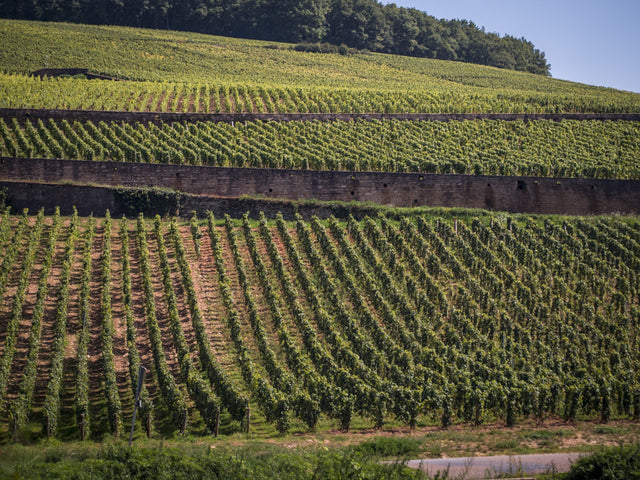
Chardonnay, one of the world's most versatile and beloved white grape varieties, showcases a remarkable spectrum of styles, from the lean, mineral-driven expressions of Chablis in France to the rich, buttery, and oak-aged versions from California's Napa Valley. Its adaptability extends to cooler climates such as Burgundy, where it achieves elegance and complexity, and to regions like Australia's Yarra Valley, known for producing vibrant and fruit-forward renditions. This grape's ability to reflect its terroir, coupled with winemaking techniques, results in a wide array of profiles, including unoaked, crisp varieties with apple and citrus notes, to full-bodied wines with tropical fruit flavors and creamy textures.
Chardonnay
Certified Biodynamic vineyard farming is a holistic approach building upon organic principles, viewing the vineyard as a self-contained ecosystem influenced by cosmic rhythms. Based on Rudolf Steiner's teachings, it integrates precise agricultural methods with lunar and astrological calendars, using natural preparations from herbs, minerals, and manure to enhance soil and plant health. Certification by organizations like Demeter International requires rigorous inspections to ensure strict compliance. Biodynamic farming seeks not only high-quality wines but also ecological harmony, sustainability, and deeper connections among land, plants, animals, and humans.