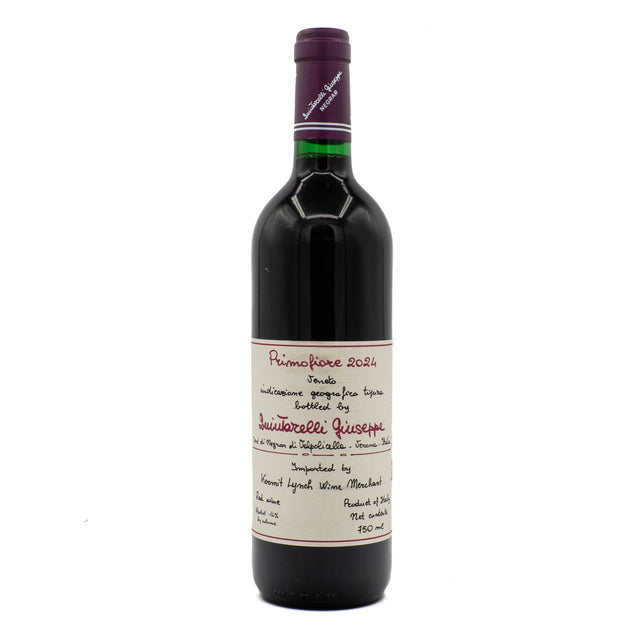
Giuseppe Quintarelli Veneto Primofiore Rosso 2024
We have 6 in stock (Inventory is live and accurate)
The Land
Quintarelli is the estate famous for making people wait, with Amarone and Valpolicella that spend the better part of a decade in the cellar. Primofiore, the first flower, is the exception, released within a couple of years of harvest. It is still grown on the same ground, the family's hillside at Cerè above Negrar in the Valpolicella Classico zone north of Verona, where roughly 11 hectares of vines climb an east-facing slope on limestone and basalt. That combination explains a lot about the wine: the limestone gives it a firm line of acidity, and the dark basalt adds a savory, faintly smoky edge. Because the blend mixes local grapes with Cabernet, it sits outside the Valpolicella DOC rules and is bottled as Veneto IGT.
The Wine
Giuseppe Quintarelli Primofiore Rosso 2024 blends the Valpolicella grapes Corvina and Corvinone with Cabernet Franc and Cabernet Sauvignon. Kermit Lynch, the US importer, has described the mix as roughly half local grapes and half Cabernet, with only the Cabernet portion partially dried and the Corvina and Corvinone pressed right after harvest. That split is the point: the fresh-pressed fruit keeps it lively, while the brief drying gives the Cabernet a little concentration. It then ages in large Slavonian oak casks, for far less time than any other Quintarelli red. The 2024 season opened with heavy spring rain and serious mildew pressure, then turned hot through July and August, ripening the grapes early and cleanly. Violet, fresh and brandied cherry, red currant, green peppercorn and cocoa, with fine, dusty tannin, bright acidity and a savory, peppery finish.
The People
Giuseppe Quintarelli, called Bepi, ran his father Silvio's estate from 1950 until his death in 2012, and in that time became the most revered traditionalist in the Veneto. He dried grapes longer, aged wines longer and refused to make Amarone at all in vintages he did not trust, and he wrote his labels by hand. He was also restless. Wine Spectator credits him with being among the first to plant Cabernet in Valpolicella, which is where this wine's backbone comes from. Today his daughter Fiorenza and her husband Giampaolo Grigoli run the estate with their sons Francesco and Lorenzo. They have kept the old methods almost untouched while tightening precision in the cellar. Primofiore is the family's youngest red, and it makes a good introduction to the house style at a fraction of the cost of the Amarone.
Food Pairing
This is the Quintarelli for a Tuesday. Pour it with a pizza of fennel sausage, roasted red peppers and fresh mozzarella, where the acidity cuts the cheese and the peppery Cabernet picks up the fennel. Grilled lamb chops rubbed with garlic, rosemary and lemon zest match the herbal side of the Cabernet Franc. Pasta e fagioli with a drizzle of good olive oil and a shower of Grana Padano gives the Corvina's cherry fruit something earthy to sit beside. A burger with caramelized onions and aged cheddar works too, the fine tannin cleaning up the fat. Serve it with a slight chill, around 60 degrees, and it will be gone before dinner is.
We ship wine to most states with a $100 minimum order for shipping. We don't ship spirits nor beer.
Weather shipping advisory: Orders placed during times of extreme heat or extreme cold will be held for no charge until more favorable weather returns.
Giuseppe Quintarelli
- Est.1906
- RegionItaly - Veneto
- FarmingFarming - Sustainable
- In stock8 wines →
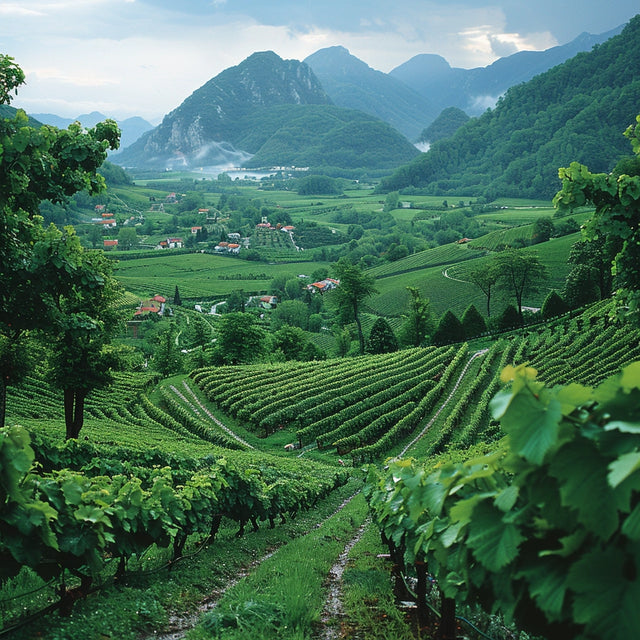
The Veneto wine region, located in northeastern Italy, is one of the most versatile and prolific wine-producing areas in the country. Stretching from the shores of Lake Garda in the west to the outskirts of Venice on the Adriatic coast, Veneto boasts a diverse range of microclimates and soils, which contribute to the production of a wide variety of wine styles. Famous for its elegant reds like Valpolicella and its iconic Amarone—a rich, powerful wine made using partially dried grapes—Veneto also produces the popular sparkling wine Prosecco, made in the hills between Conegliano and Valdobbiadene, and the crisp white Soave, known for its mineral and floral characteristics.
Italy - Veneto

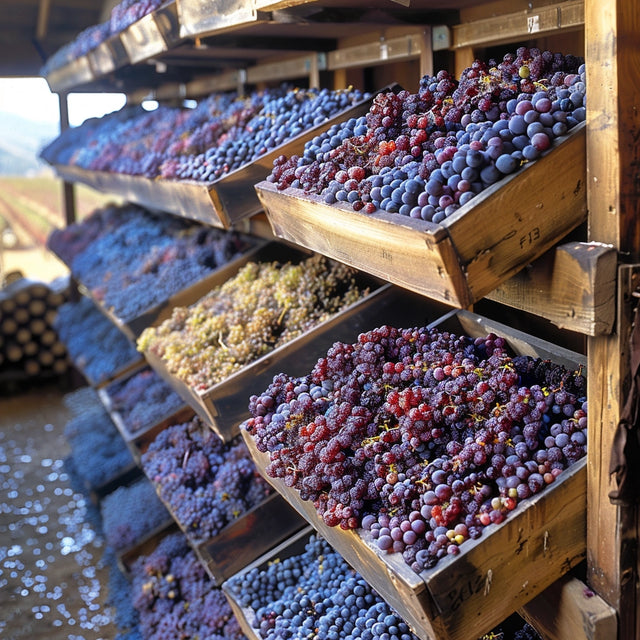
Corvina is a key red wine grape predominantly grown in the Veneto region of Italy, celebrated for its pivotal role in producing the esteemed Amarone della Valpolicella. In the process of making Amarone, the grapes are traditionally dried in a method known as appassimento, which concentrates their sugars and flavors, resulting in a rich, full-bodied wine with a characteristically high alcohol content. This technique showcases Corvina’s ability to maintain acidity and freshness, even in such an intensely flavorful and structured wine. The grape’s adaptability and resilience make it indispensable in the Veneto region, especially for creating Amarone and its lighter counterpart, Valpolicella, offering a unique profile that is robust yet elegant.
Corvina
Sustainable vineyard farming is an environmentally conscious approach that prioritizes long-term ecological balance, economic viability, and social responsibility. Unlike organic farming, sustainable practices do not necessarily exclude synthetic chemicals, but rather focus on minimizing their usage, carefully managing resources like water and energy, protecting biodiversity, and reducing waste and carbon footprint. Wineries employing sustainable methods often integrate modern technology and traditional practices to improve efficiency and maintain healthy vineyards. Certifications like "SIP Certified" or "LIVE Certified" help validate sustainability efforts. However, sustainable farming differs distinctly from organic, as sustainable producers may use synthetic inputs in moderation if deemed necessary for the overall health and productivity of their vineyards.