

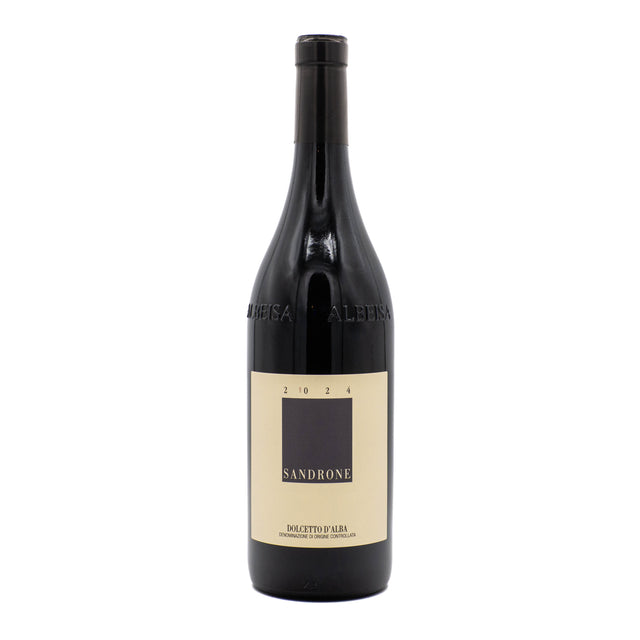
Luciano Sandrone Dolcetto d'Alba 2024
We have 10 in stock (Inventory is live and accurate)
Summer Shipping Advisory: Orders may be temporarily held during periods of extreme heat to ensure wine arrives in optimal condition.
View current shipping weather map →
The Land
Sandrone's Dolcetto is not grown on leftover ground. All eleven parcels sit inside the Barolo DOCG zone, on slopes that could legally be planted to Nebbiolo and sold for several times the price. The named sites include Rivassi and Crosia in Barolo, Castelletto in Monforte d'Alba, Cascina Pe Mol and Ravera in Novello, and Rocche di San Nicola. The family selects for what they call white soils, pale ground heavy in limestone and silt with a thin intrusion of sand, on steep slopes mostly between 350 and 400 meters. Limestone and elevation are what keep Dolcetto, a variety that ripens early and loses acid fast, from going flat and jammy. The name means little sweet one, which describes the grape, not the wine, which is dry.
The Wine
Luciano Sandrone Dolcetto d'Alba 2024 is 100% Dolcetto, picked September 17 to 24. The eleven parcels are vinified separately. Fruit is destemmed and crushed, then given a gentle warm maceration of roughly a day under CO2 before indigenous yeasts take over 24 to 36 hours later. Fermentation runs about 14 days in open-topped steel tanks with five to nine days of skin contact, malolactic follows, and the lots are then blended in the Langhe assemblage tradition and held three months in bottle. No oak. Alcohol is 12.5%. The 2024 season was difficult: a dry start, late-March rain, mixed flowering, then a cool stretch, July and August heat, September rain and a variable October. Sandrone deliberately extracted less this year, aiming at transparency rather than density. Dark purple, with red and black fruit, blueberry, violet and a mineral edge, ripe but quiet tannin, and fresh acidity carrying a long finish.
The People
From 1978 through 1997, every bottle Luciano Sandrone made came out of his parents' garage. The purpose-built winery on the edge of Barolo village opened in 1998, twenty years after the first vintage, and the timing tells you something about how the family spends money: vineyards first, buildings last. That cellar is also what makes this wine possible. Fermenting eleven small Dolcetto parcels separately and blending at the end requires tank space nobody keeps in a garage, and it is a real expense to incur on the least expensive wine in the range. Barbara Sandrone, Luciano's daughter, has run winery operations since 1989 and handles distribution and visitors; her uncle Luca works the technical side.
Food Pairing
Dolcetto is the Piedmontese answer to a weeknight. Serve it slightly cool with a salumi board of soppressata and mortadella, where the acidity resets the palate between slices. Grilled sausage with braised lentils and a hit of red wine vinegar matches the dark fruit and the earth underneath it. A mushroom and fontina pizza, or a plate of gnocchi with sage butter, both work because the tannin stays low enough not to compete. This is the bottle you keep two of, for the nights you did not plan dinner.
We ship wine to most states with a $100 minimum order for shipping. We don't ship spirits nor beer.
Weather shipping advisory: Orders placed during times of extreme heat or extreme cold will be held for no charge until more favorable weather returns.
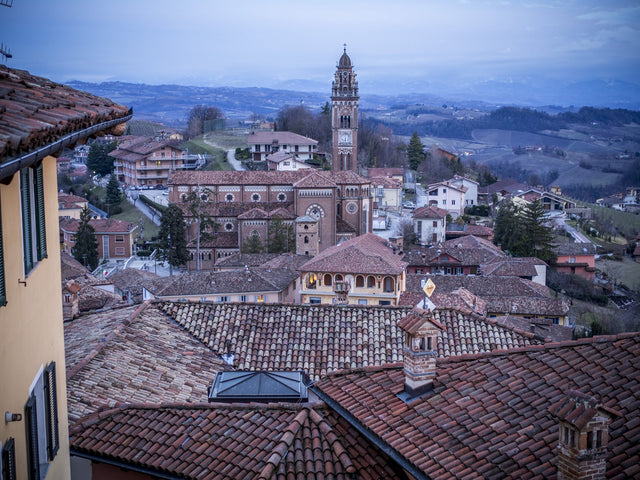
Piedmont, framed by the Alps in northwestern Italy, is a land of rolling hills and carefully cultivated vineyards. The continental climate, with its cold winters and warm summers, creates prime conditions for the Nebbiolo grape, which dominates much of the region's red wine production. The Langhe area is home to Barolo and Barbaresco, structured red wines known for their complex aromas, firm tannins, and aging potential. While Nebbiolo is the dominant grape of Piedmont, the region also makes interesting white wines like those from Arneis and Timorasso. Alto Piemonte is a separate region in the north with its own distinctive expressions of Nebbiolo, alongside other red grape varietals.
Italy - Piedmont

Dolcetto is a black grape variety native to the Piedmont region in northwest Italy, cherished for its ability to produce soft, fruit-forward red wines with relatively low acidity and a pleasing bitter finish. Known for its early ripening, Dolcetto yields wines that are typically deep in color, offering aromas of black cherry and licorice, making them highly approachable in their youth. The grape is most commonly associated with wines from Dogliani, Alba, and Asti, where the varietal's characteristics are celebrated in their purest form. While not as prestigious as Nebbiolo-based wines like Barolo and Barbaresco, Dolcetto holds a beloved place in Piedmontese wine culture for its straightforward, deliciously fruity profile and its versatility with food.