

Müller-Ruprecht Orange 2025
We have 11 in stock (Inventory is live and accurate)
Summer Shipping Advisory: Orders may be temporarily held during periods of extreme heat to ensure wine arrives in optimal condition.
View current shipping weather map →
The Land
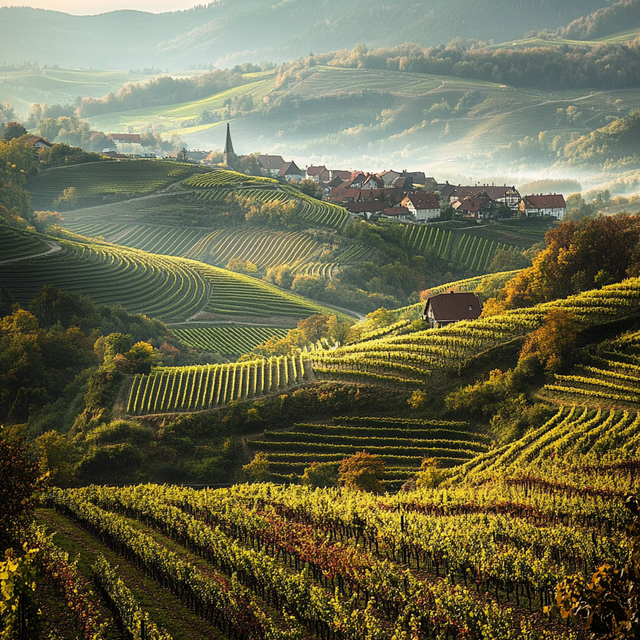
Kallstadt sits at the northern end of the Mittelhaardt in the Pfalz, where the Haardt mountains and the Palatinate Forest rise to the west and shelter the vineyards from Atlantic weather. This is one of the warmest and driest corners of German wine country. The village is best known for the Saumagen, but its soils vary widely: marl and loess-loam in Saumagen, red Buntsandstein in Annaberg, terra rossa in Weilberg. That warmth matters for an orange wine. Aromatic grapes like Huxelrebe and Gewürztraminer ripen fully here, so a short spell on the skins pulls out perfume and texture without the green, bitter edge skin contact can bring in cooler places.
The Wine
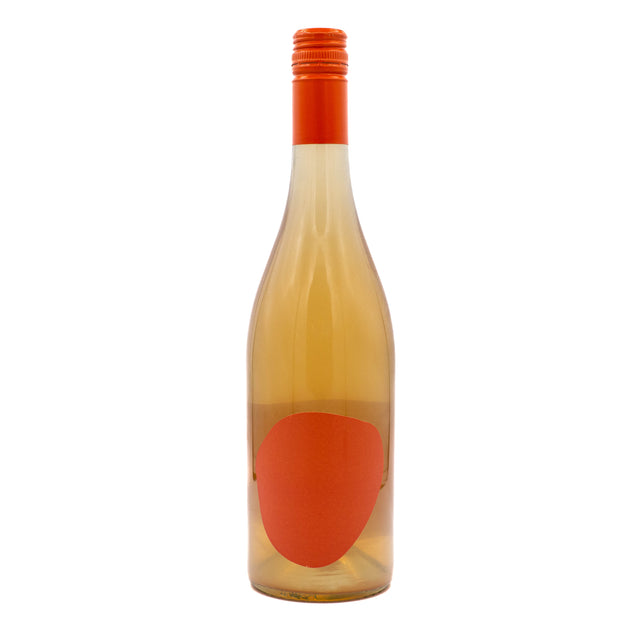
Müller-Ruprecht Orange 2025 is a skin-contact white from the Pfalz, and it is built lighter than most orange wine. The blend centers on Huxelrebe, a crossing of Chasselas and Courtiller Musqué with a Muscat-like perfume, and Chardonnay, which brings a savory, richer core; earlier releases also included Gewürztraminer. The grapes spend about 10 days on their skins, then age in large, used wooden barrels and go to bottle unfined and unfiltered, intentionally cloudy with yeast that adds a touch of texture. Earlier vintages landed at 10.5% alcohol. Orange blossom, mandarin, jasmine, dried apricot and ginger, then a creamy, lightly grippy texture and sharp, almost prickly acidity that keeps the perfume in check. The 2025 season in the Pfalz was difficult, with complicated flowering, isolated frost and hail, regional yields down about 23% against the ten-year average, and an early harvest that began in late August.
The People
The family has made wine in Kallstadt since 1702. Sabine Wöhrwag chose to carry the estate forward, and she now runs it with her husband Philipp alongside her parents, Jutta and Ulrich Müller. Philipp, whom the Junge Pfalz jury called "a Swabian in the Palatinate," is known for reduced, purist wines without flourish. The estate is certified organic, and it shares roots with neighboring Koehler-Ruprecht at the great-grandparent level. Its reputation rests on Riesling from two separate Saumagen parcels, but the cellar philosophy is the same across the range, what the Wöhrwags call controlled non-intervention, with the goal of making the place the grapes grew tasteable in the glass. The Orange is the estate's playful side, a natural wine from the Pfalz made by a family better known for serious dry Riesling.
Food Pairing
Keep the food bright and a little spicy. Roast a chicken rubbed with harissa, garlic and lemon; the skin-contact grip stands up to the spice, and the low alcohol keeps the heat from flaring. Sardines on buttered brown bread with arugula and flaky salt suit the wine's prickly acidity. Thai larb made with ground pork, lime, fish sauce, mint and toasted rice powder lets the Huxelrebe perfume echo the herbs. Serve it cool, not ice-cold. This is the bottle for a Tuesday when dinner is takeout and you still want the wine to be the interesting part of the table.
We ship wine to most states with a $100 minimum order for shipping. We don't ship spirits nor beer.
Weather shipping advisory: Orders placed during times of extreme heat or extreme cold will be held for no charge until more favorable weather returns.
Baden, Germany's warmest and southernmost wine region, is distinctly different from its northern counterparts. Benefiting from a near-Mediterranean climate, Baden is known for its ripe, full-bodied wines, particularly Pinot Noir (Spätburgunder) and Pinot Blanc (Weissburgunder). The Kaiserstuhl, a volcanic range within Baden, is a key area, known for its rich, fertile soils that contribute to the wines' concentration and power. While Riesling is grown, Baden's focus is more on these Burgundian varieties, producing wines that are richer, rounder, and often more approachable in their youth than classic examples from cooler German regions. Baden offers a unique and sun-drenched expression of German wine, showcasing a different facet of the country's viticultural landscape.